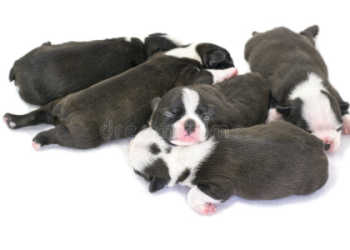
The Purebred Pug: A Comprehensive Study
Introduction
The purebred pug, a compact canine with a wrinkled muzzle and an outsized personality, has charmed families across the globe. This overview traces the breed’s background, hallmark traits, common health considerations, and the enduring place it holds in everyday life.
The History of the Purebred Pug
Pugs have been cherished companions for centuries. First bred in East Asia as lapdogs for courtiers, they later traveled trade routes to Europe, where aristocrats embraced them. Over time, the pug’s affectionate nature turned it from palace pet to popular household favorite.
Characteristics of the Purebred Pug
The purebred pug is known for its distinctive features, which include:
Distinctive Face
A flat, deeply furrowed face, rounded forehead, and dark, expressive eyes give the pug an almost human-like gaze that many find irresistible.
Stocky Body
Sturdy legs support a cobby, square frame, while a tightly curled tail rests over the back, creating a silhouette that is both strong and endearing.
Personality
Pugs are sociable, alert, and eager to please. They thrive on interaction, quickly learning household routines and forming close attachments to their people.
Health Concerns in Purebred Pugs
Prospective owners should be aware of conditions more prevalent in this breed:
Brachycephalic Syndrome
Short airways can lead to noisy breathing, reduced heat tolerance, and occasional eye irritation. Moderate exercise, cool environments, and routine vet visits help manage these risks.
Skin Issues
Facial folds may trap moisture, making regular cleaning important to prevent irritation or infection.
Joint Problems
A robust frame can stress joints. Balanced nutrition, gentle daily activity, and maintaining a healthy weight support long-term mobility.
The Role of the Purebred Pug in Human Society
Beyond the couch, pugs continue to influence daily life in several ways:
Companionship
Their even temperament suits city apartments, suburban homes, and senior living alike, providing steady friendship with minimal space requirements.
Therapy and Emotional Support
Many pugs serve as comforting visitors in hospitals and schools, offering calm, non-judgmental presence to those in need.
Culture and Art
From vintage portraits to modern social media feeds, the pug’s unmistakable silhouette inspires artists and storytellers worldwide.
Conclusion
The purebred pug remains a treasured companion, blending centuries-old heritage with an adaptable, affectionate spirit. Mindful care—particularly regarding respiratory and joint health—ensures these cheerful dogs continue brightening homes. By valuing their well-being and celebrating their unique character, we secure a future in which pugs and people share the same warm, snuggle-filled bond for years to come.