Maltipoo Puppy Rescue: A Complete Guide to Giving These Charming Companions a Fresh Start
Introduction
Maltipoo rescue has captured the hearts of dog lovers everywhere. A cross between the gentle Maltese and the intelligent Poodle, the Maltipoo is prized for its affectionate personality, low-shedding coat, and portable size. Yet, even this popular mix can find itself homeless through no fault of its own. This guide explores why adoption matters, what rescue groups confront, and how to welcome a Maltipoo puppy into your life.
The Importance of Maltipoo Puppy Rescue
1. Saving Lives
Every adoption opens a kennel space and gives a young dog the chance to grow up surrounded by care rather than uncertainty. Choosing rescue literally changes a puppy’s future.
2. Easing Shelter Pressure
When families adopt instead of shopping, they reduce the daily strain on shelters and allow staff to focus on animals with special needs.
3. Spreading Responsible Ownership
Rescue stories inspire friends and neighbors to think about commitment, training, and lifelong care before bringing any pet home.
Challenges Faced by Maltipoo Puppy Rescue Organizations
1. Limited Resources
Most groups run on donations and volunteers; veterinary bills, quality food, and round-the-clock care add up quickly.
2. Behavioral Rehabilitation
Puppies surrendered early may miss critical socialization. Foster homes must teach confidence, house-training, and basic manners before placement.
3. Ethical Standards
Rescues balance transparency, legal requirements, and the duty to match each dog with a family ready for the next decade of care.
Best Practices for Caring for a Maltipoo Puppy
1. Balanced Nutrition
Small breeds grow fast; a vet-recommended diet fed in measured meals supports healthy bones and a shiny coat.
2. Daily Exercise
Two brisk walks and a few play sessions keep energy in check and prevent nuisance barking.
3. Early Socialization
Introduce your puppy to different sights, sounds, people, and friendly dogs during the first three months to build an easy-going adult.
4. Preventive Health Care
Schedule vaccinations, parasite control, and dental check-ups on time; small dogs benefit from professional teeth cleaning before tartar builds up.
Success Stories and Testimonials
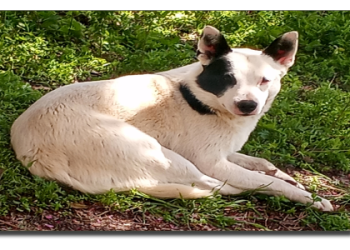
Families often share before-and-after photos that tell the whole story: a timid pup arrives with matted fur and leaves for a forever home sporting a bright bandana and a wagging tail. One recent adoption involved a tiny cream-colored puppy found wandering alone; within weeks he had learned to sit, spin, and snuggle on command, becoming the star of neighborhood walks.
Conclusion
Adopting a Maltipoo puppy is more than a feel-good moment—it is a practical step toward a kinder, more sustainable companion-animal community. When adopters prepare well and rescue groups keep striving, these cheerful little dogs thrive and repay the favor with years of devotion.
Recommendations and Future Research
Ways to strengthen the movement:
1. Share positive adoption stories on social media to normalize rescue as the first choice.
2. Offer foster-to-adopt programs so families can test compatibility while helping a puppy learn house rules.
3. Partner with positive-reinforcement trainers to provide low-cost puppy classes for every adopted Maltipoo.
Topics worth exploring:
1. Long-term health trends in rescued small-breed dogs compared with purchased counterparts.
2. Which socialization techniques most effectively reduce anxiety in puppies from unknown backgrounds.
3. The community benefits—financial and emotional—when local businesses sponsor adoption events.
By acting on these ideas, we can keep improving outcomes for Maltipoo puppies and the people who love them.