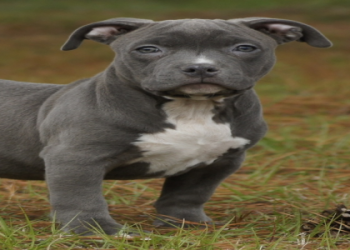
The Aussie-Corgi Blend: A Friendly Guide
Introduction
The Aussie-Corgi blend, a cheerful cross between the Australian Shepherd and the Welsh Corgi, has become a favorite for families who want a smart, affectionate, and pint-sized companion. This overview explores the blend’s background, looks, personality, and everyday care so you can decide whether this lively dog fits your lifestyle.
Origin and History
Deliberate mixing of the two breeds began a few decades ago when breeders hoped to combine the Shepherd’s work ethic with the Corgi’s compact frame. Both parent breeds have long histories as herding dogs, so the resulting puppies usually inherit quick reflexes, a strong desire to stay close to their people, and an instinct to keep everyone moving in the same direction—whether that’s sheep or kids in the backyard.
Physical Traits
Most Aussie-Corgi blends stand low to the ground yet remain surprisingly athletic. Their double coat may be straight or slightly wavy and appears in colors ranging from solid black or red to striking merle patches. A foxy face, bright eyes, and upright ears give them a permanently alert expression, while a sturdy body and short legs create the signature “long and low” silhouette that turns heads at the park.
Temperament
Expect a social butterfly that wants to be involved in every household activity. These dogs learn routines quickly, enjoy learning tricks, and usually greet visitors with enthusiasm rather than suspicion. Because they bond deeply, they do best in homes where someone is around for much of the day; left alone for long stretches, they may invent their own entertainment—often at the expense of couch cushions.
Health Considerations
Crossbreeding can reduce some inherited problems, but it does not eliminate them. Watch weight gain, as extra pounds stress the spine and joints. Schedule regular vet visits, keep nails trimmed, and stay alert for signs of hip discomfort or back stiffness. A high-quality diet and moderate daily exercise go a long way toward preventing avoidable issues.
Training and Exercise
A brisk thirty-minute walk twice a day, plus short play or training sessions, keeps body and mind satisfied. Use upbeat praise and small treats; harsh corrections shut down their willingness to work. Early socialization—meeting new people, dogs, surfaces, and sounds—helps prevent shyness or excessive barking later on.
Living with an Aussie-Corgi Blend
Life with one of these dogs is rarely dull. They shadow you from room to room, offer enthusiastic greetings, and still have energy for a game of fetch after dinner. To keep the harmony:
– Provide puzzle toys and rotating chews to channel their curiosity.
– Offer a supportive bed that cushions long backs and encourages rest.
– Stick to predictable mealtimes and potty breaks; routines reduce accidents.
– Brush the coat weekly to control shedding and check for burrs or tangles.
– Book routine dental cleanings and keep vaccines current.
Conclusion
The Aussie-Corgi blend delivers brains, loyalty, and a dash of herding humor in a portable package. If you can match their energy with daily walks, games, and plenty of together time, you will gain a devoted sidekick who brightens ordinary moments and keeps life moving at a happy trot.
Future Research
Questions that could help future owners and vets include:
– Larger health surveys to clarify which conditions appear most often.
– Studies on optimal calorie levels and exercise types for long-term mobility.
– Exploration of how early socialization shapes adult confidence.
– Simple, science-backed training protocols for busy families.
Continued study will ensure these charming dogs enjoy ever-healthier, happier lives alongside the people who love them.