



Maltipoo Puppies: A Friendly Guide
Introduction
The Maltipoo, a cheerful cross between the Maltese and the Poodle, has become a favorite companion across the country. Loved for its gentle nature and low-shedding coat, this small dog fits easily into many lifestyles. This overview offers practical information about the breed’s background, looks, health, and everyday care, helping future owners decide if a Maltipoo is the right match for their home.
History and Origin
Designer breeders began pairing Maltese with Poodles several decades ago, hoping to blend the Poodle’s intelligence and low-shed coat with the Maltese’s affectionate personality. The resulting dogs quickly won admirers in warm, active regions where compact pets are welcomed in cafés, parks, and apartments.
Characteristics
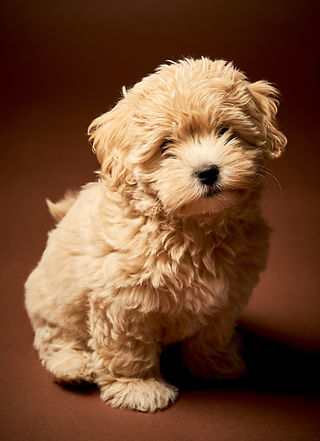
Maltipoo puppies are best known for their cuddly size and sociable outlook. Below are the main traits new owners notice first.
Appearance
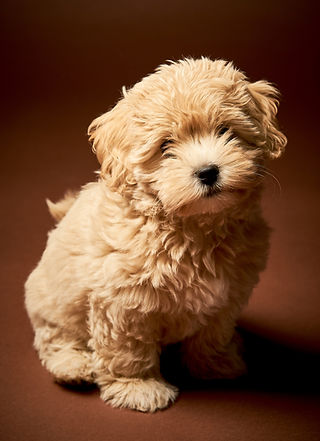
Coat colors range from cream and apricot to silver and charcoal. The fur is usually soft and wavy, growing continuously like human hair. Adults weigh roughly five to twelve pounds, making them easy to travel with and comfortable in smaller living spaces.
Temperament
These dogs thrive on company. They greet visitors warmly, play gently with respectful children, and usually get along with other household pets. Quick learners, they pick up household routines after only a few repetitions.
Health
While generally sturdy, the breed can inherit issues seen in either parent line. Reputable breeders test breeding stock for joint soundness and eye health. Common topics to discuss with a vet include:
– Luxating patella: a knee joint that may slip out of place.
– Progressive retinal atrophy: an inherited eye condition that can reduce vision over time.
– Skin sensitivities: regular grooming and a balanced diet help keep the coat and skin comfortable.
Finding a Puppy
Healthy Maltipoo puppies can be located through responsible breeders or adoption groups. A few guidelines simplify the search.
Reputable Breeders
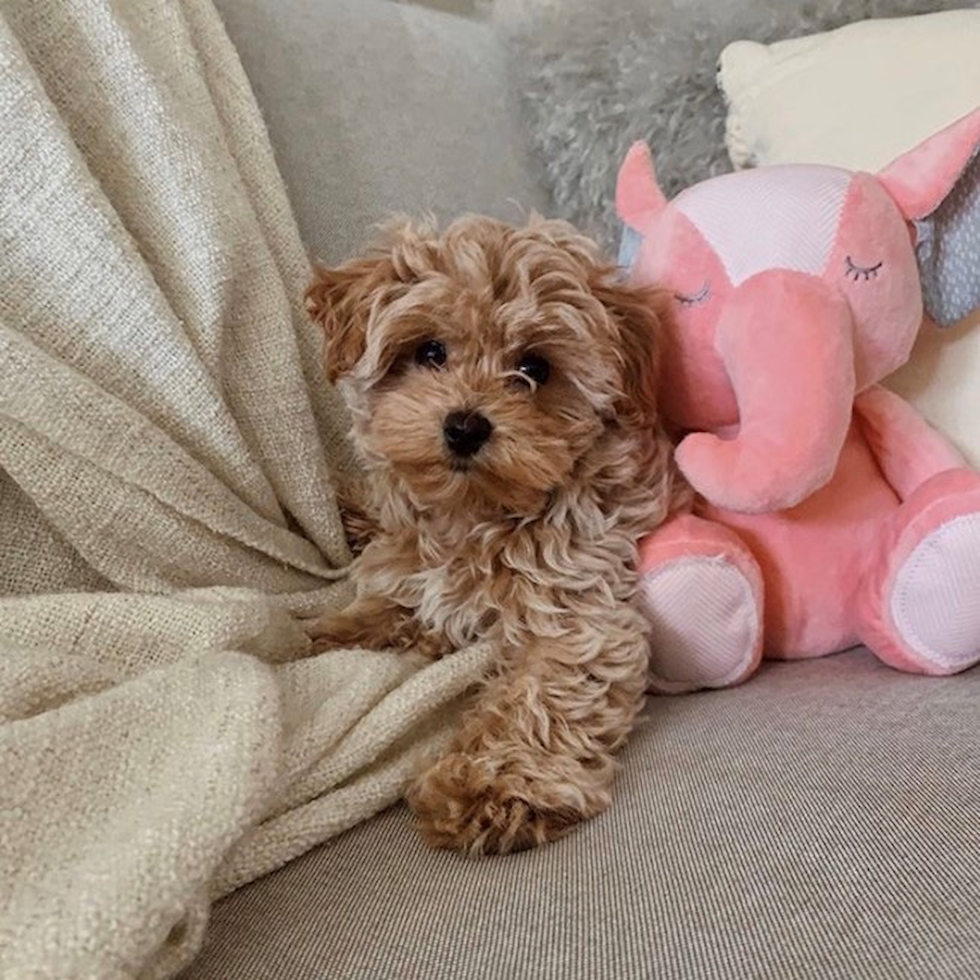
Look for breeders who welcome questions, raise puppies indoors, and provide written health records. Good signs include clean facilities, cheerful puppies, and lifetime take-back policies.
Rescue Organizations
Adult and adolescent Maltipoos often await new homes through local shelters or breed rescues. Adoption staff can describe each dog’s personality and known history, making it easier to choose a good fit.
Care and Training
Day-to-day upkeep is straightforward when a routine is established early.
Grooming
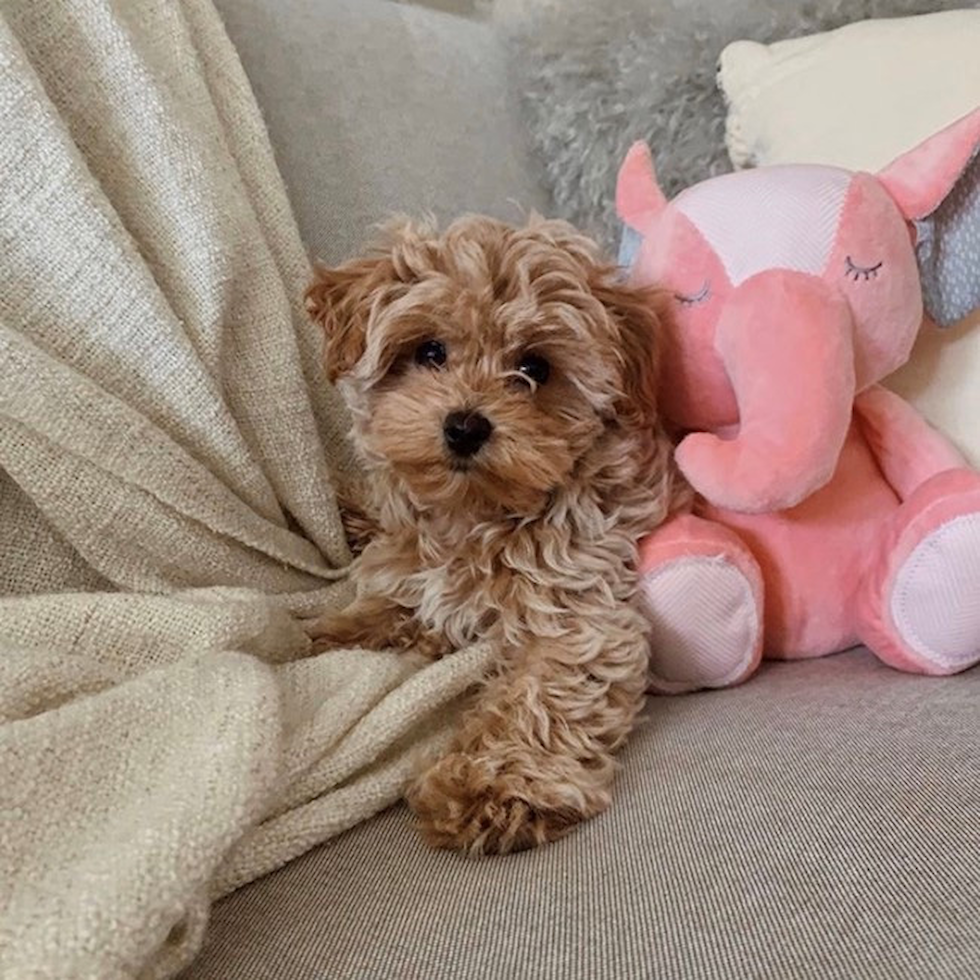
Daily face wipes and thorough brushing three times a week prevent tangles. A professional trim every six to eight weeks keeps the coat neat and cool.
Exercise
Two brisk walks plus a play session indoors or in a fenced area satisfy most Maltipoos. Puzzle toys and short training games provide mental exercise on rainy days.
Training
Reward-based lessons work best. Short, upbeat sessions teach basic manners, while gentle consistency stops nuisance barking before it becomes a habit.

Conclusion
A well-bred, well-socialized Maltipoo can be a joyful, low-shed companion for many years. By researching sources, scheduling regular vet care, and offering daily love and guidance, owners gain a loyal friend who is equally happy lounging on the sofa or trotting through the neighborhood.


