The Aussie Pyrenees: A Comprehensive Overview
Introduction
The Aussie Pyrenees, sometimes called the Australian Pyrenean Shepherd, is a modern working breed that has steadily attracted admirers across continents. This overview explores its background, traits, and the ways it fits into active households today.
History
Developers in Australia blended the quick-thinking Australian Shepherd with the sure-footed Pyrenean Shepherd of southern Europe. The aim was a medium, all-purpose dog that combined herd instinct, stamina, and a natural watchfulness suited to wide-open terrain as well as suburban life.
Early breeding efforts began in the final decade of the twentieth century, and enthusiast clubs soon formed to record pedigrees and promote uniform type. Over time, the dogs earned recognition at specialty shows and performance events, securing their place as a versatile companion.

Characteristics
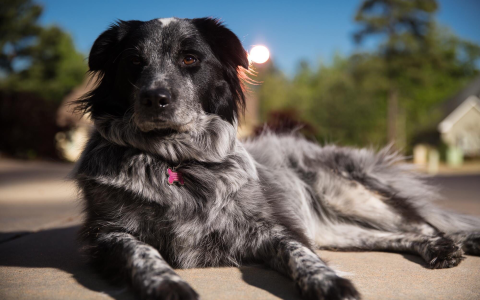
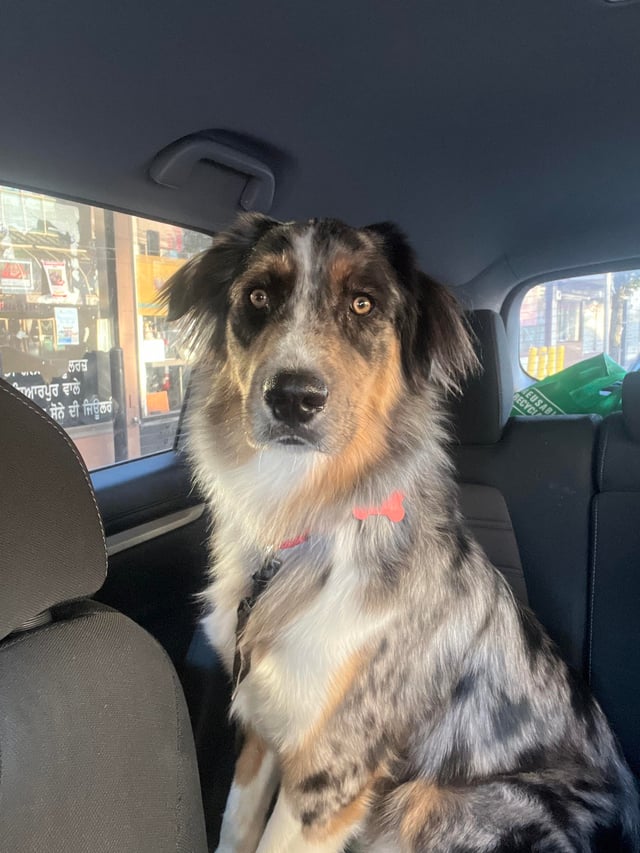
Aussie Pyrenees stand roughly eighteen to twenty-three inches at the withers and usually weigh between thirty and fifty pounds. A weather-resistant double coat comes in many shades—solid, patched, or merled—and requires routine brushing to control shedding.
Quick to read new situations, these dogs learn cues after only a few repetitions. They bond strongly with their people, yet they can think for themselves, so patient, reward-based lessons work best. Given a clear job—whether herding ducks, mastering an agility course, or simply jogging alongside a bike—they stay content and well-mannered indoors.
Physical Abilities
Built for long days on the move, the breed shows remarkable endurance on hiking trails and can switch from a steady trot to an explosive sprint when gathering livestock. Flexible joints and strong rear drive allow tight turns on an agility field, while an attentive gaze and responsive body language make them natural candidates for search games and scent-work classes.
Social Behavior
Early, positive exposure to different people, animals, and environments shapes a confident adult. Well-socialized individuals greet visitors warmly yet remain alert enough to announce unusual sounds. They usually enjoy the company of respectful children and, with supervision, can coexist with other household pets once boundaries are established.
Health and Care
Reputable breeders screen hips, eyes, and seizure history to reduce inherited problems. Owners should plan on daily aerobic exercise—fetch, flirt-pole runs, or herding lessons—plus mental workouts such as trick training or food puzzles. A balanced diet, annual vet exams, and seasonal coat checks keep the dog thriving.
Conclusion
The Aussie Pyrenees offers intelligence, loyalty, and athleticism in a manageable size. Families ready to invest time in exercise, training, and grooming will find an energetic partner eager to join every outdoor adventure and then curl up quietly at home.
As interest grows, prospective guardians are encouraged to meet adult dogs, talk with experienced owners, and choose a responsible source. In the right hands, this breed continues to prove itself as a dependable working mate and affectionate family member.
Future Research
Continued study of genetic diversity, longevity, and behavioral development will help refine best practices for breeding, training, and health management. Sharing data across regions can further secure a sound future for the Aussie Pyrenees while enhancing the lives of the people who share their path.
In sum, the Aussie Pyrenees stands out as a dynamic, people-oriented dog whose best qualities flourish when matched with an active, committed household.