How Long Do Pugs Live in Human Years?
Introduction
Pugs, with their wrinkled brows and curly tails, have captured hearts around the globe. One question that often arises among enthusiasts is how their lifespan translates into human terms. This article explores typical pug longevity, explains the variables that shape it, and offers guidance on helping these companions enjoy the fullest, healthiest lives possible.
Understanding Lifespan in Dogs
Canine life expectancy varies widely across breeds and sizes. To draw a rough parallel with human aging, many owners rely on the familiar “dog years” concept. Although the old seven-to-one rule is only a broad approximation, it remains a handy starting point for comparison.
Dog years are a way to estimate the age of a dog in human years. The general rule of thumb is that one dog year is equivalent to seven human years. However, this is a rough estimate and can vary depending on the dog’s size, breed, and overall health.

The Lifespan of Pugs
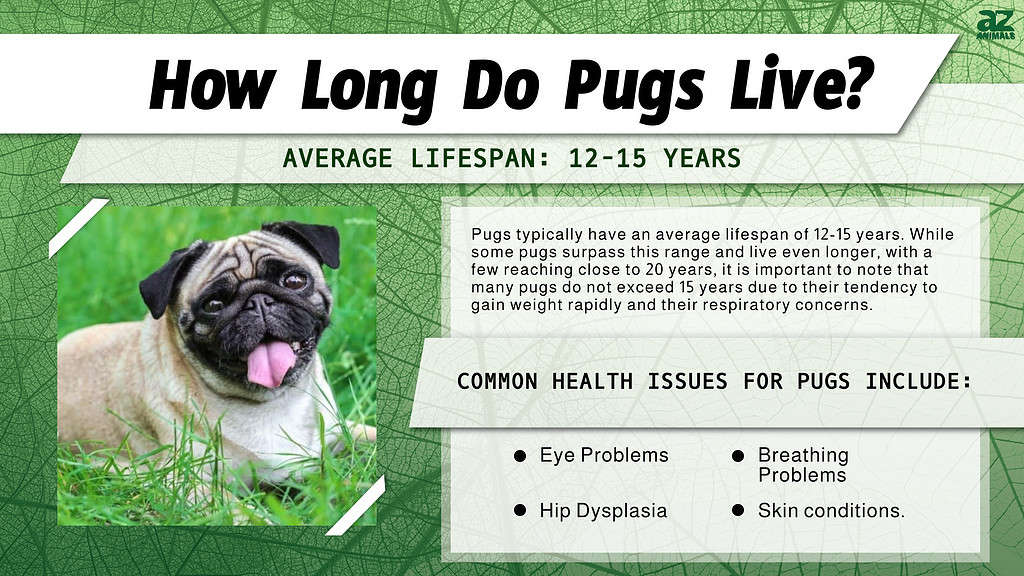
Pugs are classed as a small, brachycephalic breed. On average, they live between 12 and 15 years, though individual outcomes can differ markedly based on care and circumstance.
Genetic Factors
Like all purebreds, pugs inherit certain health tendencies. Their short muzzles can predispose them to breathing challenges, while other hereditary conditions may influence overall vitality. Selecting responsibly bred lines and scheduling regular veterinary screenings can mitigate some of these risks.
Environmental Factors
A stable, low-stress home, balanced meals, appropriate exercise, and routine check-ups all contribute to longevity. Limiting exposure to extreme heat, second-hand smoke, and household toxins further protects these sensitive dogs.
Care and Maintenance
Consistent grooming keeps skin folds clean, dental care prevents oral disease, and weight control reduces joint strain. Observing subtle shifts in energy, appetite, or breathing allows early intervention when issues arise.
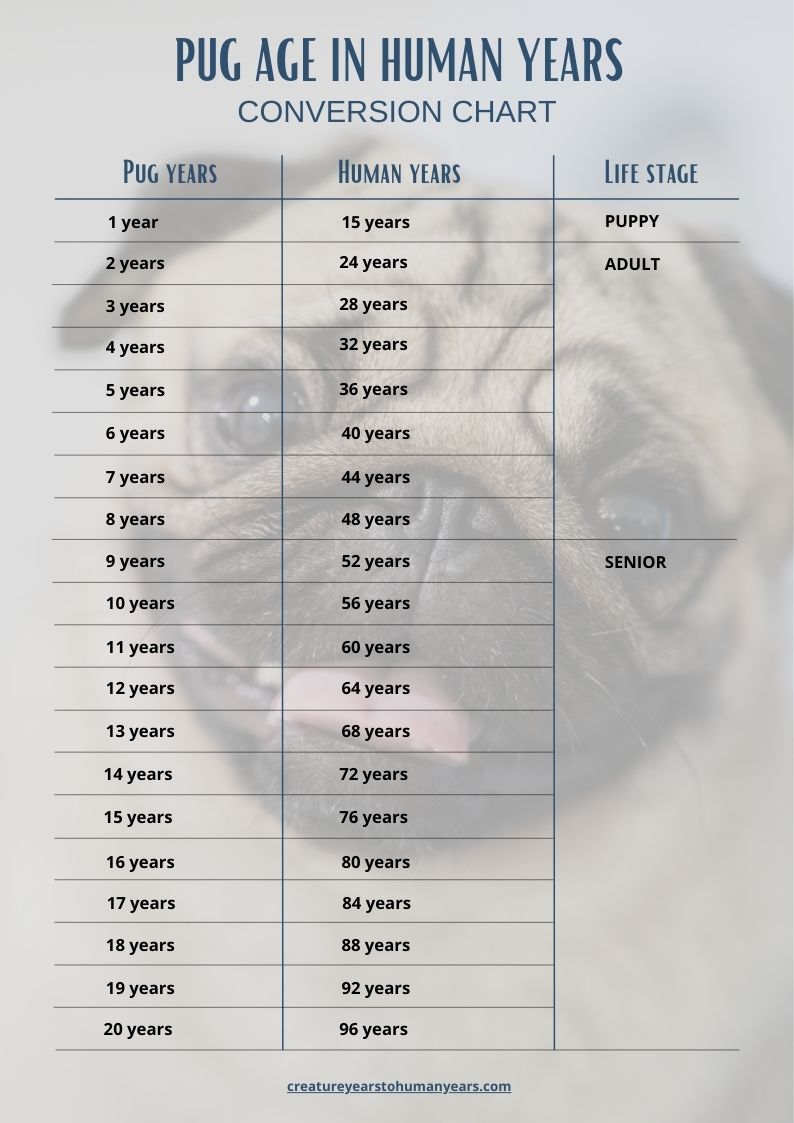
Comparing Pug Lifespan to Human Years
Applying the seven-to-one guideline, a pug that reaches 12 years has lived roughly the equivalent of 84 human years, while a 15-year-old pug clocks in at about 105 “human” years.
Factors Influencing Pug Lifespan
Several variables can lengthen or shorten a pug’s life:
Size and Breed
Small dogs often outlive giants, yet within the toy group, facial structure and body mass still matter. Keeping a pug lean can ease respiratory and cardiac workload.
Health and Genetics
Preventive care—vaccinations, parasite control, and annual bloodwork—helps catch problems early. Discussing hereditary screenings with a veterinarian supports informed breeding and adoption choices.
Diet and Exercise
Measured portions of quality food, paired with gentle daily walks and interactive play, prevent obesity without overtaxing breathing. Swimming and high-impact fetch are best avoided in hot weather.
Environmental Factors
Secure fencing, non-slip flooring, and shaded outdoor areas reduce injury risk. Air-conditioned spaces during summer months are especially important for brachycephalic breeds.
Conclusion
Most pugs share 12 to 15 memorable years with their families—roughly 84 to 105 human years by the traditional multiplier. While genetics set the baseline, attentive husbandry, balanced nutrition, and prompt medical care can tip the scales toward the upper end of that range. Every pug is an individual; showering them with consistent love and prudent management offers the best chance at a long, joyful life.
It is important to remember that while we can estimate the lifespan of pugs in human years, each dog is unique, and their lifespan can vary. By providing proper care, nutrition, and love, pet owners can help their pugs live a happy and healthy life.
Future Research
Ongoing studies into canine genetics, nutrition science, and age-related diseases promise deeper insight into extending healthy lifespan across all breeds. As data accumulate, owners and veterinarians alike will be better equipped to tailor care plans that keep pugs thriving well into their golden years.