


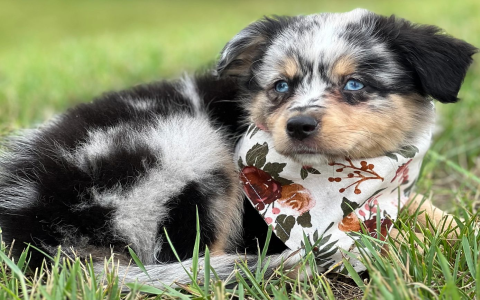
Australian Shepherd Puppies in Indiana: A Comprehensive Guide
Introduction
The Australian Shepherd is a bright, agile breed that has won hearts across the country. Celebrated for loyalty, stamina, and trainability, these dogs suit active households, hobby farms, and outdoor enthusiasts alike. Indiana’s mix of open countryside and city parks offers an ideal backdrop for raising an Aussie pup. This guide outlines what to expect—from traits and training to adoption and everyday care—so you can decide if this energetic companion fits your lifestyle.
History of the Australian Shepherd
Despite the name, the breed was refined in the American West. Basque herders and other ranchers crossed working collies and shepherd types to create a quick-thinking, all-purpose ranch dog. The result was the Australian Shepherd, prized for its ability to move livestock and read subtle handler cues. Over time, the dogs moved from ranch to suburb, becoming beloved family partners while keeping their work ethic intact.
Characteristics of Australian Shepherd Puppies
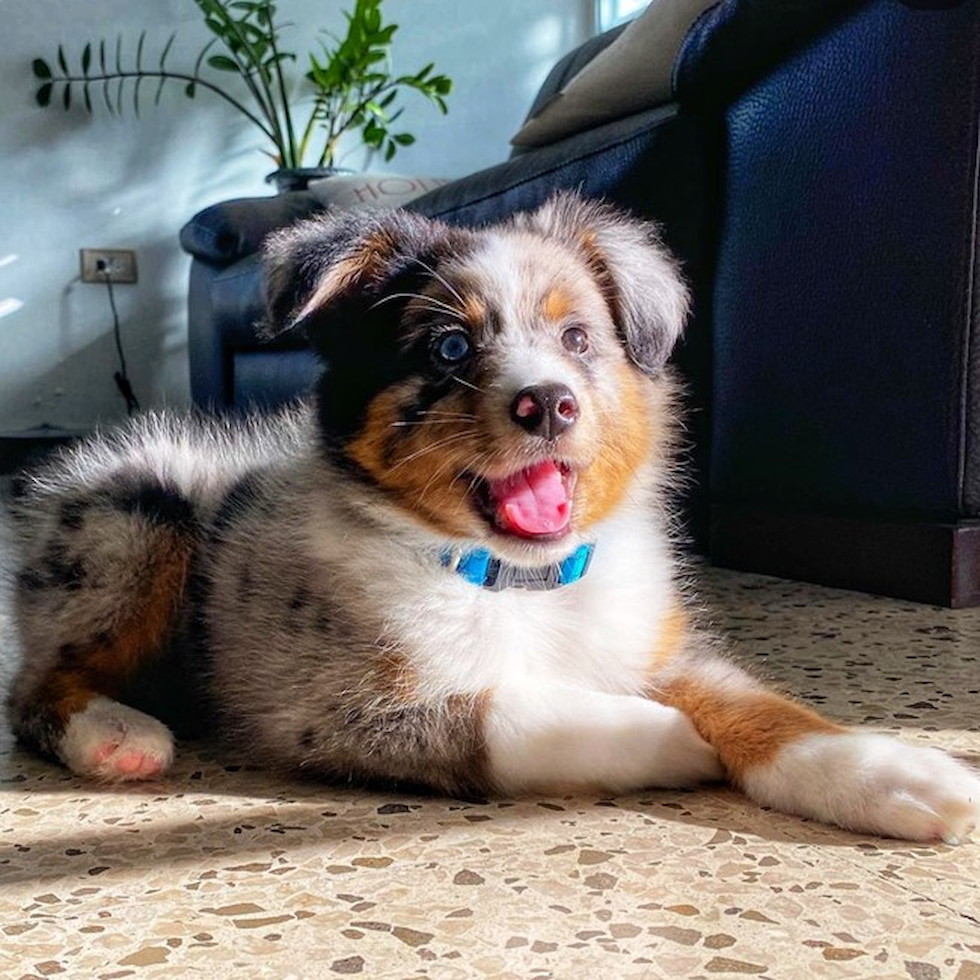
Aussie pups arrive with eye-catching coats and boundless curiosity. Key points to know:
Appearance
– Size: Medium build; adult males average 50–65 lb, females 40–55 lb.
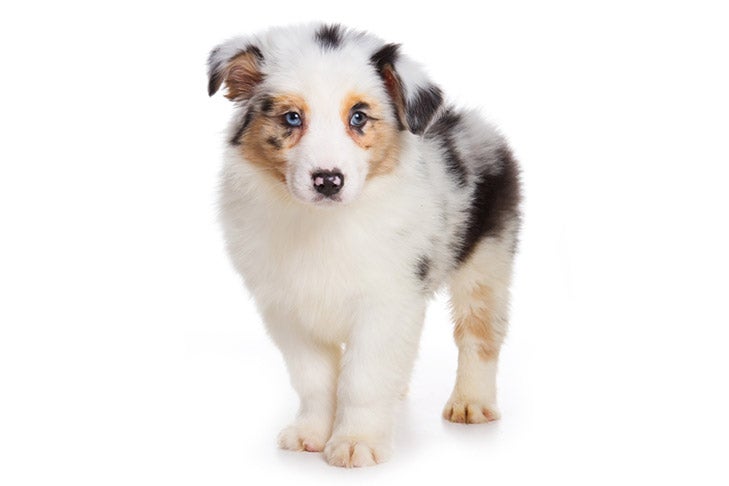
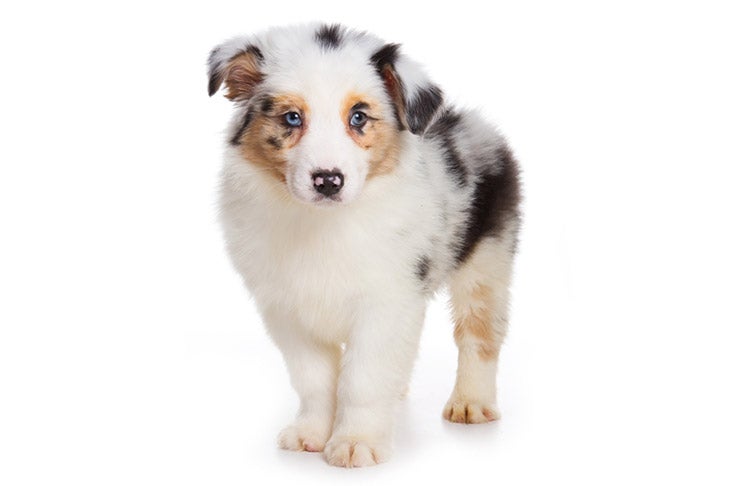
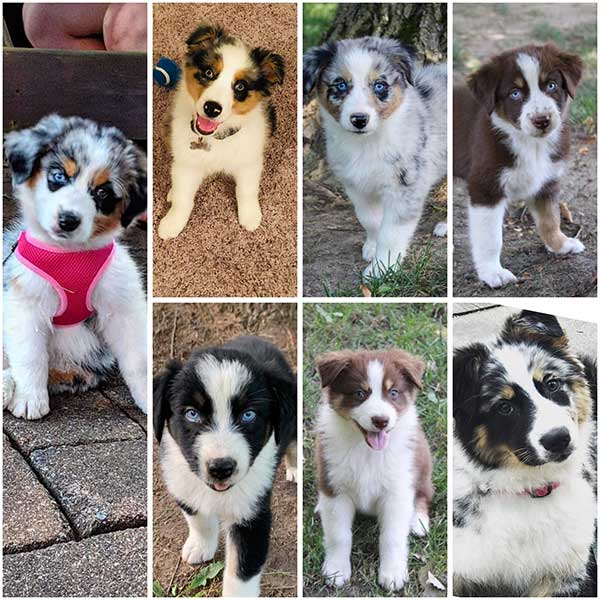
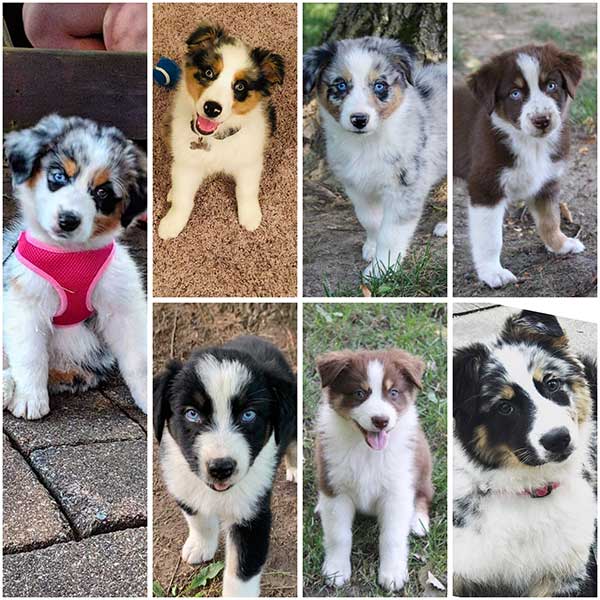
– Coat: Double layer, straight to wavy; common patterns include black, blue merle, red merle, and tricolor, often with white or tan accents.
– Eyes: Almond-shaped, expressive; brown, blue, amber, or even two different colors.
Personality
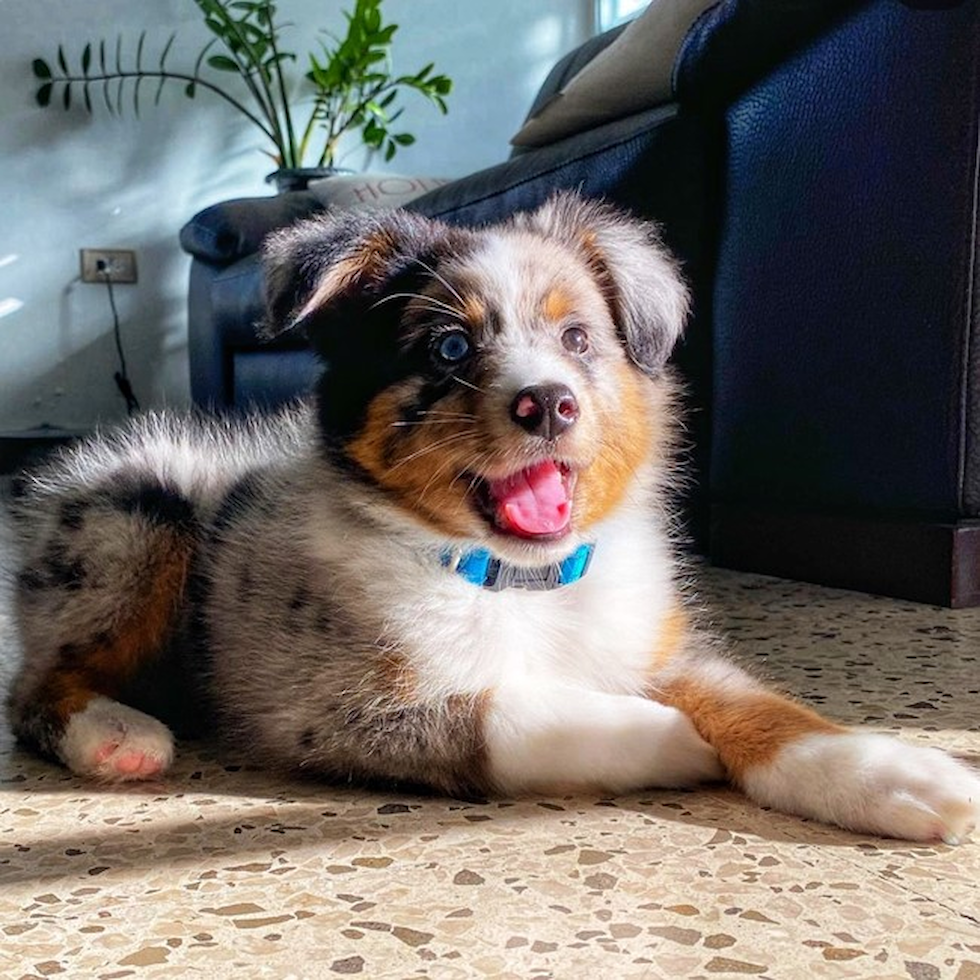
– Intelligence: Ranked among the top tier for canine problem-solving and obedience.
– Energy: High drive; thrives on vigorous daily activity and mental challenges.
– Loyalty: Forms tight bonds with family; tends to stay close and watchful.
Adoption of Australian Shepherd Puppies in Indiana
From Indianapolis to Bloomington, rescue networks and shelters regularly list Aussies and Aussie mixes. Choosing adoption gives a young dog a fresh start and opens space for another animal in need.
Benefits of Adoption
– Budget-Friendly: Fees usually cover spay/neuter, first vaccines, and microchip—costs far below breeder prices.
– Health & Temperament Screenings: Reputable groups evaluate behavior and provide veterinary care before placement.
– Grateful Companions: Many adopters report that rescue Aussies blossom into devoted, eager-to-please pets.
Care for Australian Shepherd Puppies
Raising a healthy Aussie means meeting physical, mental, and emotional needs. Focus areas include:
Nutrition
– Balanced Diet: Choose puppy food formulated for medium-size, active breeds; avoid over-supplementation.
– Feeding Schedule: Three measured meals daily until about six months, then transition to twice daily.
Exercise
– Daily Movement: Aim for at least 60 minutes of brisk walking, fetch, or agility drills, split into two sessions if needed.
– Brain Games: Rotate puzzle feeders, scent work, and short training bursts to prevent boredom barking.
Training
– Socialization Window: Introduce new people, dogs, surfaces, and sounds between 8–16 weeks to build confidence.
– Consistent Cues: Use positive-reinforcement methods; Aussies pick up commands quickly but can outthink lax handlers.
Health
– Preventive Vet Visits: Follow a vaccine schedule, discuss heartworm and flea/tick prevention, and plan for spay/neuter around maturity.
– Dental Routine: Introduce tooth-brushing early; provide safe chew toys to support gum health.
Conclusion
Australian Shepherd puppies can flourish in Indiana’s varied terrain and active communities when given structure, exercise, and affection. Whether you adopt from a local rescue or work with a responsible source, prepare for an alert, athletic partner who wants to join every hike, training class, and backyard game. With commitment and care, your Aussie will reward you with years of loyal companionship.
Future Research
Ongoing studies into exercise needs, hereditary health risks, and early learning in Australian Shepherds can guide better breeding choices, training protocols, and owner education—ultimately enhancing the lives of these remarkable dogs and the families who welcome them.


