



Pug Puppies: A Complete Guide to the Charming Little Companion
Introduction
Pug puppies have won hearts across the country with their wrinkled brows and curly tails. These small, affectionate dogs fit just as well in a city apartment as they do in a suburban home. This guide walks you through everything you need to know about the breed—its background, looks, personality, daily care, and the simple joys of sharing life with one.
The Story of the Pug
Centuries ago, Chinese emperors kept flat-faced little dogs as palace companions. Dutch traders later carried the breed to Europe, where royalty and artists alike fell for its charm. Over time, pugs trotted into homes worldwide, becoming steady favorites for families who want a sociable, low-maintenance pet.
Signature Traits
Below are the qualities that make pugs instantly recognizable and endlessly lovable:
Appearance
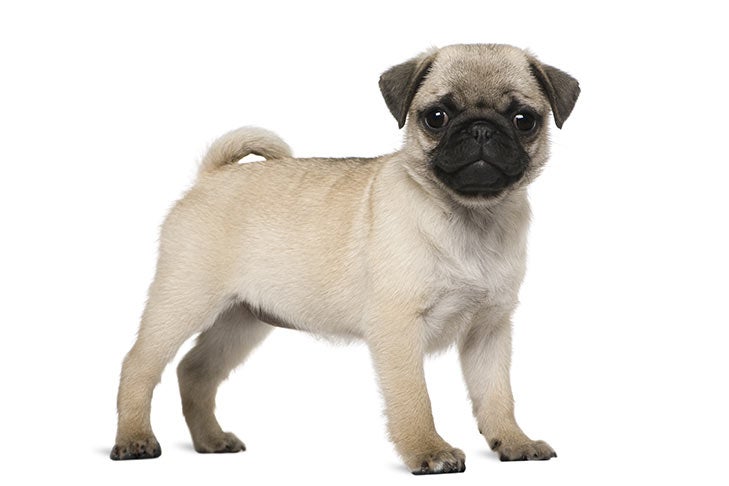
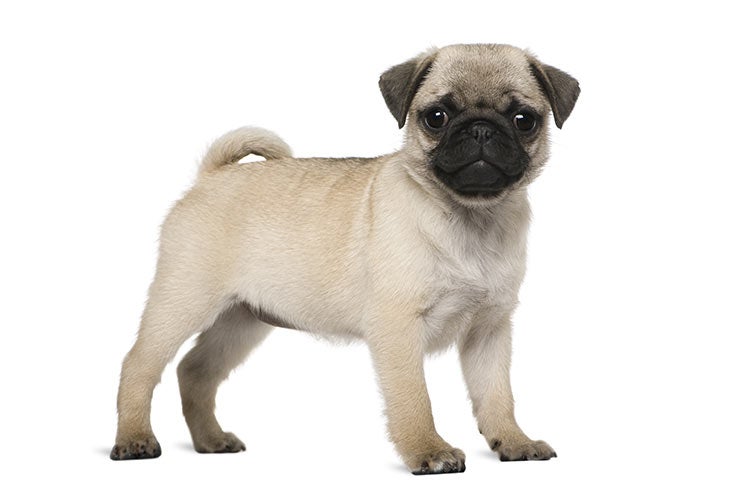
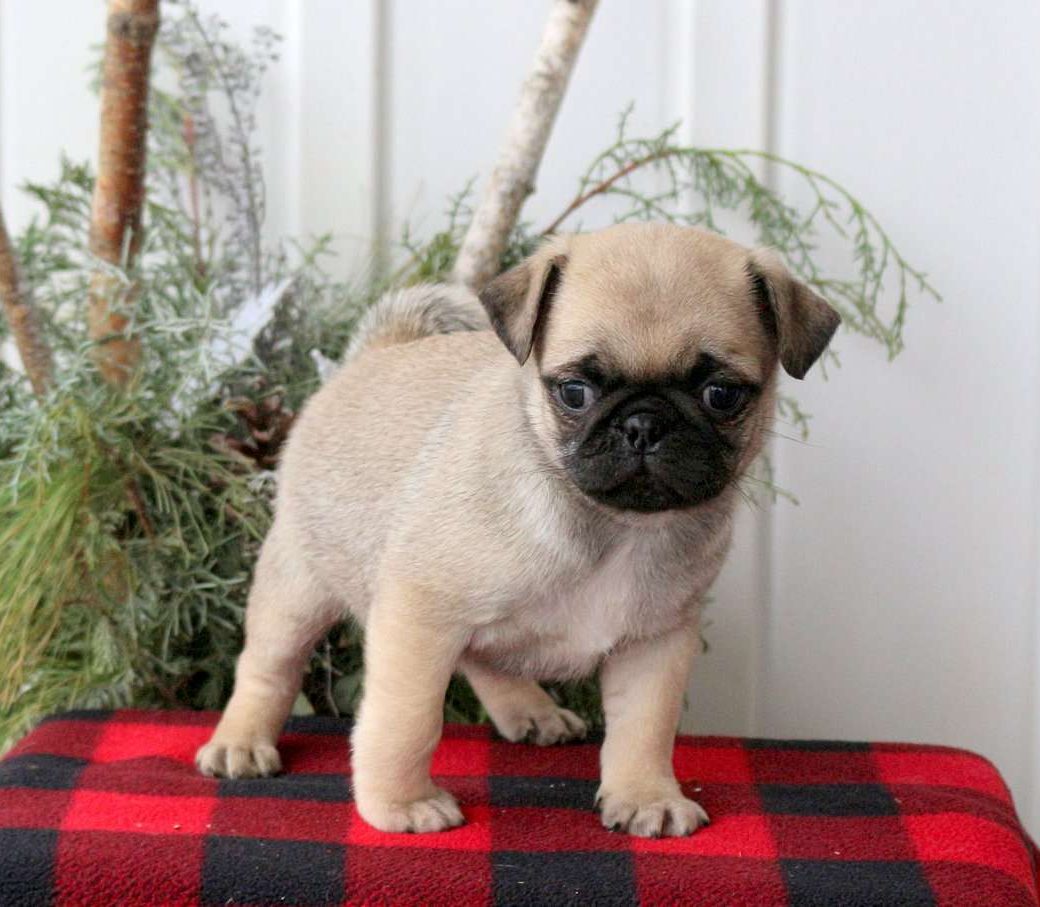
A compact, square frame, a short glossy coat in fawn, apricot, silver or black, and a deeply wrinkled forehead give the pug its trademark “mini-mastiff” look. Dark, prominent eyes and a curled tail complete the package.
Temperament
Pugs live to love. They crave human company, follow their favorite people from room to room, and greet visitors like old friends. Intelligent and eager to please, they pick up basic cues quickly and stay patient with respectful children.
Health Notes
Sturdy in spirit yet small in stature, pugs can face breathing sensitivity, eye dryness, and skin fold irritation. Keeping them at a healthy weight, avoiding overheated walks, and scheduling regular vet visits go a long way toward preventing problems.
Daily Care
Bringing home a pug means signing up for daily snorts, snuggles, and a few important routines:
Feeding
Choose a portion-controlled, balanced diet formulated for small breeds. Measure meals instead of “free-feeding” and limit rich treats to keep extra pounds—and the health issues they bring—off that little frame.
Exercise

Two brisk 15-minute walks plus indoor play sessions usually satisfy their moderate energy level. Avoid strenuous activity during hot, humid weather; pugs cool themselves less efficiently than longer-nosed dogs.
Grooming
A quick brush two or three times a week removes loose hair and keeps the coat shiny. Wipe facial folds gently with a damp cloth to prevent buildup, and check ears and eyes weekly for redness or odor.
Health Checks
Annual exams, dental cleanings, and up-to-date vaccinations form the backbone of preventive care. Discuss breathing, joint, and eye screenings with your veterinarian so any concerns are caught early.
Life with a Pug

Owners often say pugs are shadows with wagging tails. Their presence offers several everyday rewards:
Companionship
Whether you binge a series or work at a desk, a pug will be happy to curl up beside you. Their steady affection suits singles, seniors, and households with kids alike.
Stress Relief
A snorting, playful pug can lighten the mood after a tough day. Simple routines—feeding, walking, brushing—create calming rhythms for both dog and human.
Health Perks
Daily walks encourage owners to stay active, while the dog’s upbeat personality can ease loneliness. Studies link pet ownership to lower blood pressure and improved mood; pugs deliver those benefits in an extra-cuddly package.
Conclusion
Pugs prove that great things come in small, snorting packages. With sensible care, moderate exercise, and lots of affection, these little dogs return the favor tenfold through loyalty, laughter, and a lifetime of lap-warming companionship.
Looking Ahead
Ongoing research into small-breed nutrition, respiratory health, and genetic diversity will help future pugs live even healthier lives. Meanwhile, prospective owners can attend local meet-ups or reputable training classes to learn best practices. By staying informed, we ensure that the beloved pug continues to charm families for generations to come.


