


Understanding the Cost of Adopting a Cat: A Practical Guide
Introduction
Bringing a cat into your life is exciting, but it also comes with steady expenses. Before you visit any adoption center, it helps to know what you are likely to spend during the first year and beyond. This overview walks through the main cost categories so you can set a realistic budget and avoid surprises.
The Cost Breakdown
Adoption Fee
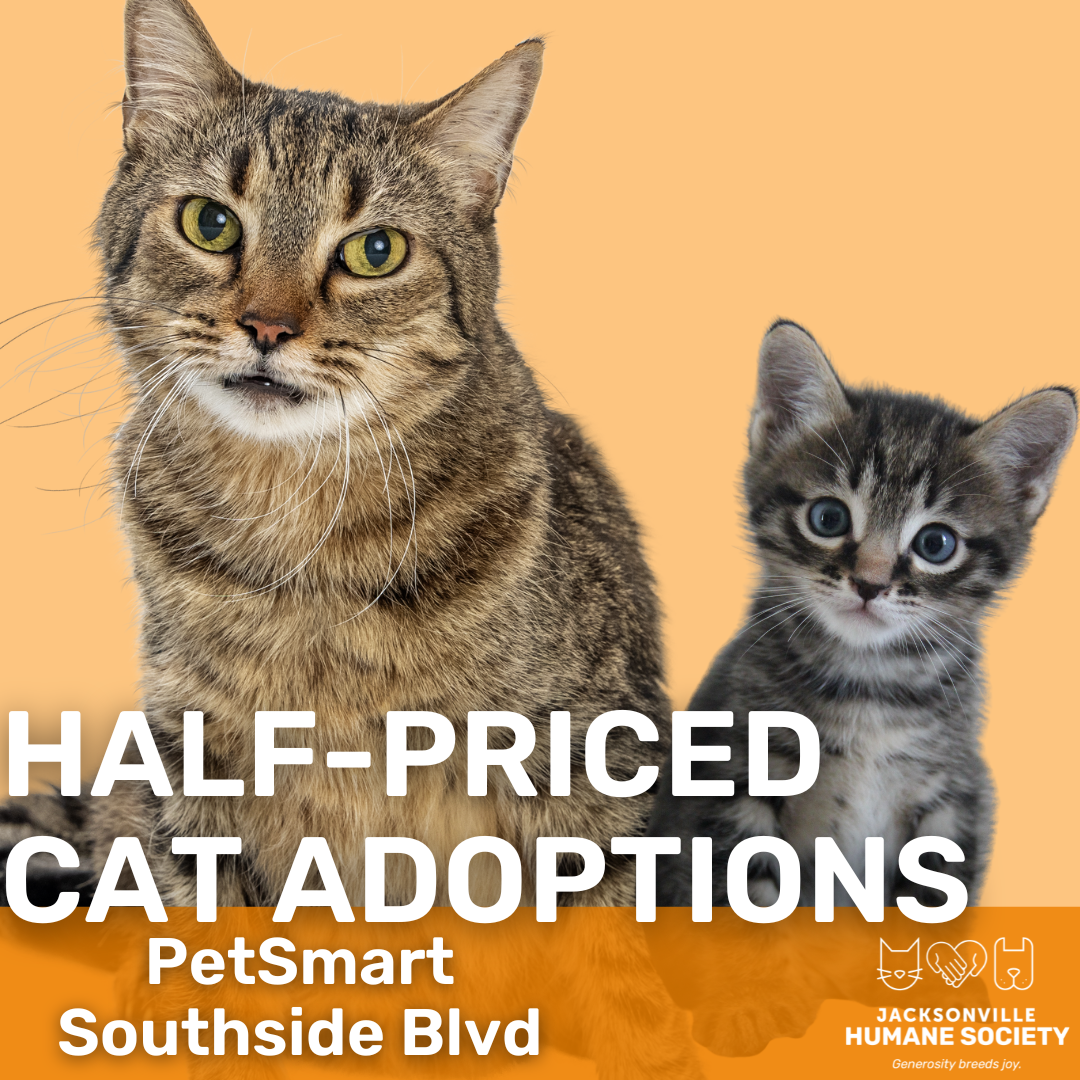
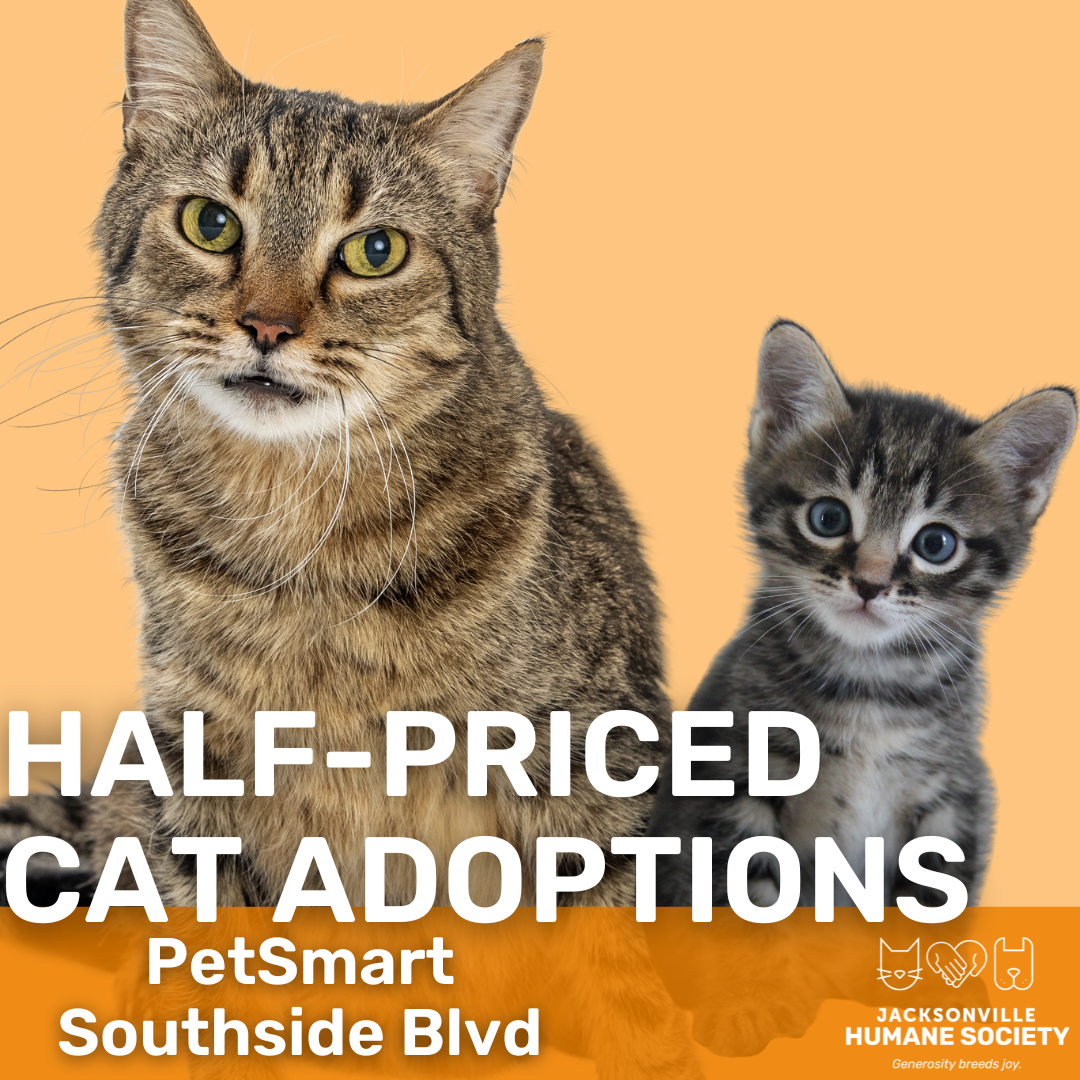
Most shelters and pet stores charge an adoption fee that covers the cat’s first vaccines, spay or neuter surgery, and a basic health exam. Fees vary by age, breed, and region, yet they usually fall between fifty and one hundred dollars. Special-needs cats or kittens may cost a little more because they receive extra care before placement.

Initial Supplies
You will also need litter boxes, litter, food and water dishes, a collar with an ID tag, a carrier, a scratching post, and a bed. Starter kits for these items can run from one hundred to two hundred dollars, depending on the brands you choose.
Food and Treats
Quality food costs about twenty to fifty dollars each month, while treats add another ten to twenty dollars. Buying in bulk or subscribing to auto-delivery can shave a few dollars off the total.
Veterinary Care
Annual check-ups, booster shots, and routine lab work average two hundred to four hundred dollars per year. Prices differ by clinic, so it pays to compare local veterinarians.

Preventive Healthcare
Monthly flea, tick, and heartworm preventives add roughly fifty to one hundred dollars to the yearly budget. Many vets offer multi-pet or annual-plan discounts.
Unexpected Expenses
Even healthy cats can develop sudden illnesses or injuries. Building a small emergency fund—ideally three to five hundred dollars—gives you peace of mind when the unexpected happens.
Factors Influencing the Cost
Age and Health
Kittens often need a full series of shots, while senior cats may require blood work or dental care. The healthier the cat at adoption, the lower your initial medical bills are likely to be.
Breed
Some purebred or long-haired varieties need professional grooming or are prone to hereditary conditions that raise long-term costs. Mixed-breed cats generally have fewer inherited issues and lower grooming needs.
Location
Vet prices, supply costs, and even adoption fees trend higher in large metropolitan areas. Rural clinics and shelters may offer the same services for less.
Conclusion
Adopting a cat is a rewarding decision, but it is also a long-term financial commitment. By mapping out the main expense categories—adoption, supplies, food, routine care, preventives, and emergencies—you can welcome your new companion with confidence rather than sticker shock.
Recommendations and Future Research
Prospective owners should compare adoption packages from several shelters or rescue groups, looking at what each fee includes. Community clinics and low-cost spay/neuter programs can also trim expenses without sacrificing care.
Retailers and shelters might expand sliding-scale fees or partner with local nonprofits to offer starter kits, making cat adoption accessible to more households. In the end, a clear budget and a little research ensure that both you and your new feline friend start off on the right paw.


