Title: A Friendly Guide to Goldendoodle Tail Variations
Introduction:
Goldendoodles have captured hearts around the world thanks to their warm temperament, quick minds, and low-shed coats. Among their most endearing traits is the tail, which can appear in several shapes and lengths. This guide walks you through the common tail variations, what sets each apart, and the elements that shape their look, helping future guardians choose the companion that best fits their lifestyle.
Understanding Goldendoodle Tail Variations
Most Goldendoodle tails fall into three broad categories: shortened, full, and mid-length. Each option carries its own visual charm and practical considerations.
Shortened Tail
A shortened tail is one that has been gently reduced in length soon after birth. Some caretakers feel this gives a tidy silhouette or reduces the chance of everyday knocks. The procedure is routine in certain regions yet debated elsewhere, so it is wise to learn local guidelines and discuss options with a trusted veterinarian.
Full Tail
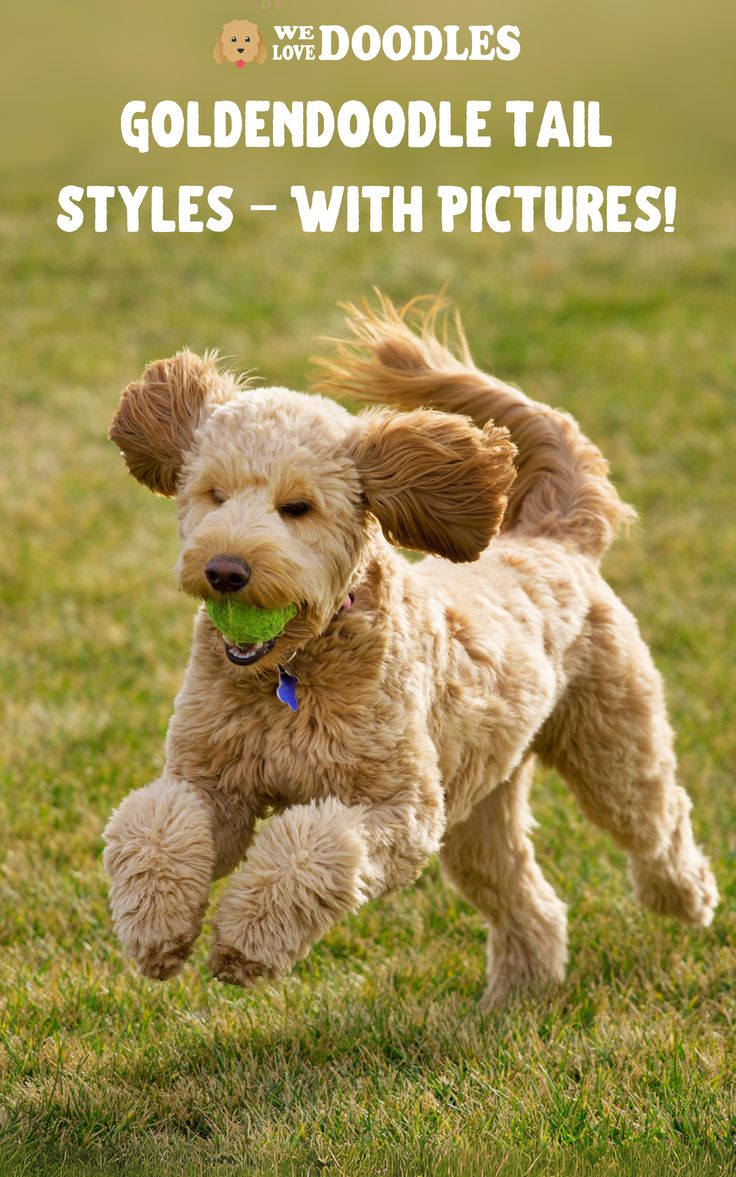
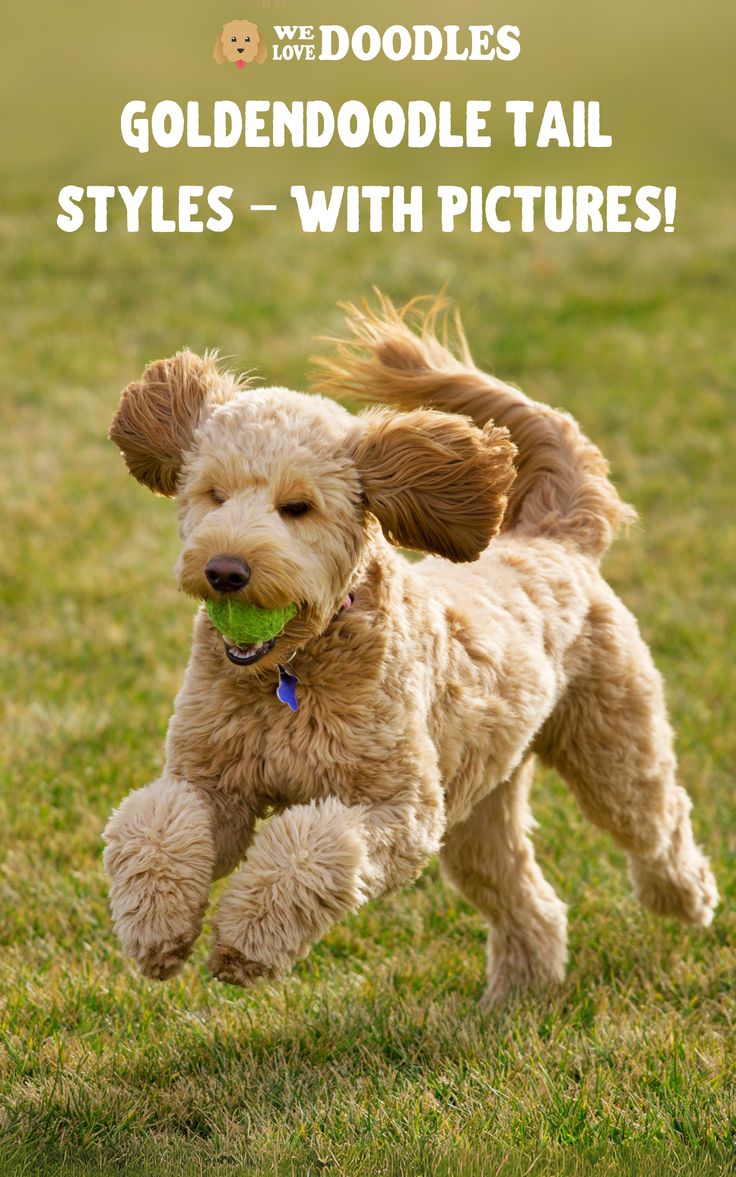
A full tail is exactly what nature provided—no alterations, just a happy plume that waves like a banner. Families who favor this style often enjoy the expressiveness it adds to playtime and greetings.
Mid-Length Tail
A mid-length tail sits between the two extremes: shorter than a full tail yet longer than a shortened one. Owners who pick this middle ground appreciate a balanced outline while still keeping plenty of wag.
Factors That Shape Tail Appearance
Several influences come together to decide how a Goldendoodle’s tail will look: heredity, tradition, and personal taste.
Heredity
Genes supplied by the Poodle and Golden Retriever sides of the family play the leading role. Puppies whose parents have fuller tails tend to inherit the same luxuriant plume, while lines accustomed to shorter styles often pass that tendency along.
Tradition
Although the Goldendoodle itself is not recognized as a pure breed, its Poodle ancestors are frequently pictured with a refined, moderate tail, while Golden Retrievers are known for their flowing, feathered tail. These historical images gently steer today’s preferences.
Personal Taste
At the end of the day, guardian choice matters most. Some households prefer minimal upkeep, others cherish the natural sweep of a full tail. Whatever the preference, the priority should always be the dog’s comfort and safety.
Health and Grooming Tips
Regardless of length, every tail benefits from consistent care.
Shortened Tail
Keep the coat around the base free of tangles and wipe away dust after outdoor play. A quick check each week prevents skin irritation.
Full Tail
Long feathering can collect burrs or form mats. Gentle brushing every few days, plus an occasional trim of the tail’s underside, keeps it swinging happily.
Mid-Length Tail
Combine the routines above: brush to avoid knots, rinse off mud, and inspect for any minor scrapes acquired during energetic zoomies.
Conclusion
From shortened to sweeping, a Goldendoodle’s tail is more than a cute accessory—it is a barometer of joy and an everyday health indicator. By learning the differences and committing to simple grooming habits, you ensure that whichever style greets you at the door, it does so with vigor and good health for years to come.
As these charming dogs continue to trott into new homes worldwide, ongoing observation of how tail type interacts with movement and mood will help caregivers fine-tune best practices, keeping tails wagging and families smiling.