Finding the Perfect Dog Breed: A Comprehensive Guide
Introduction
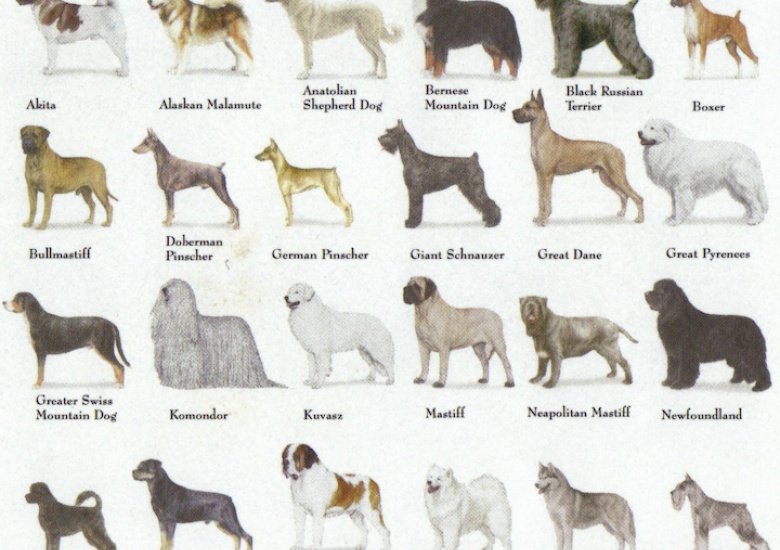
Choosing the right dog breed is a long-term commitment that shapes daily life for both pet and owner. With hundreds of recognized breeds, each offering distinct traits and care requirements, the selection process can feel daunting. This guide outlines key points to help match a breed to your routine, space, and expectations.
Understanding Dog Breeds
What is a Dog Breed?
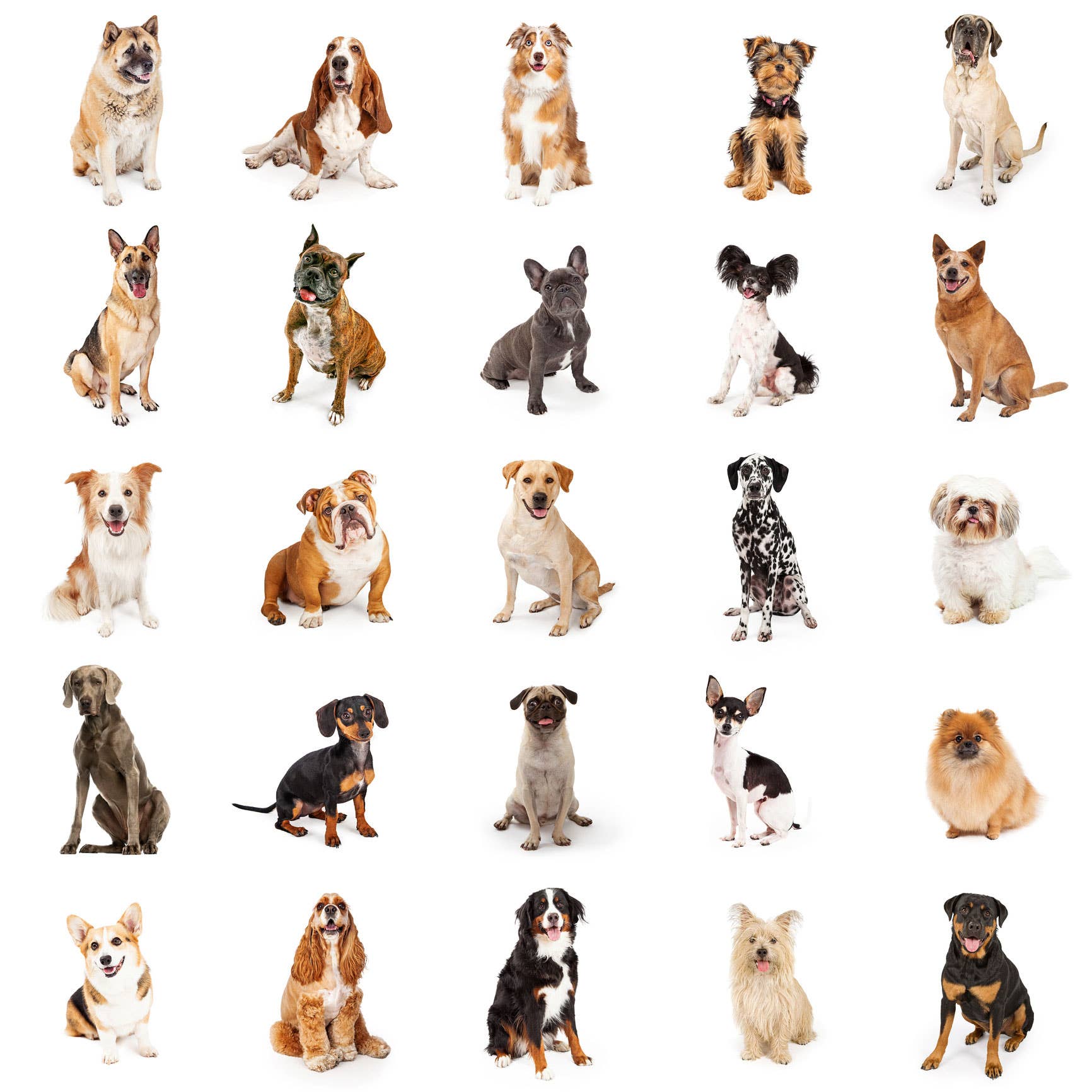
A breed is a group of dogs bred selectively over time to share consistent looks, instincts, and behaviors. These shared qualities make it easier to predict grooming needs, energy levels, and overall temperament.
Types of Dog Breeds
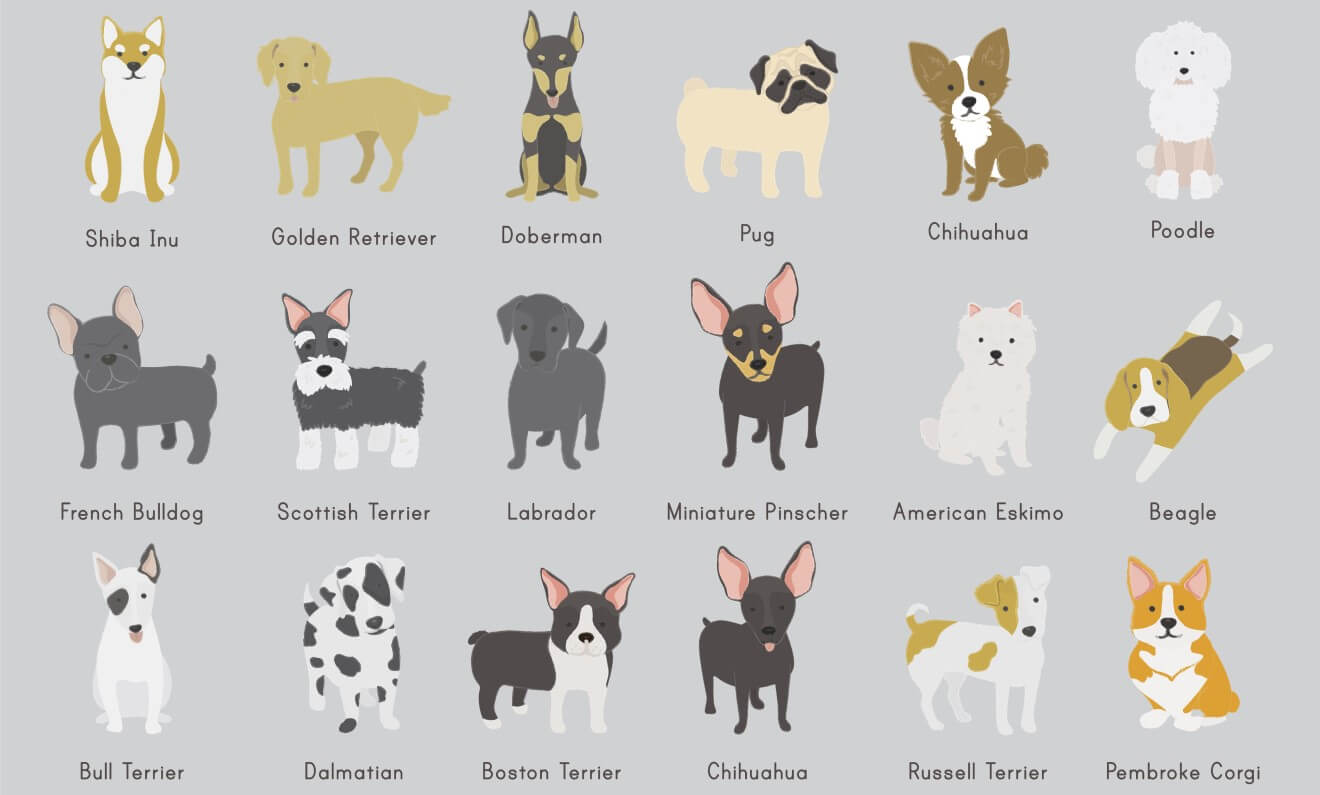
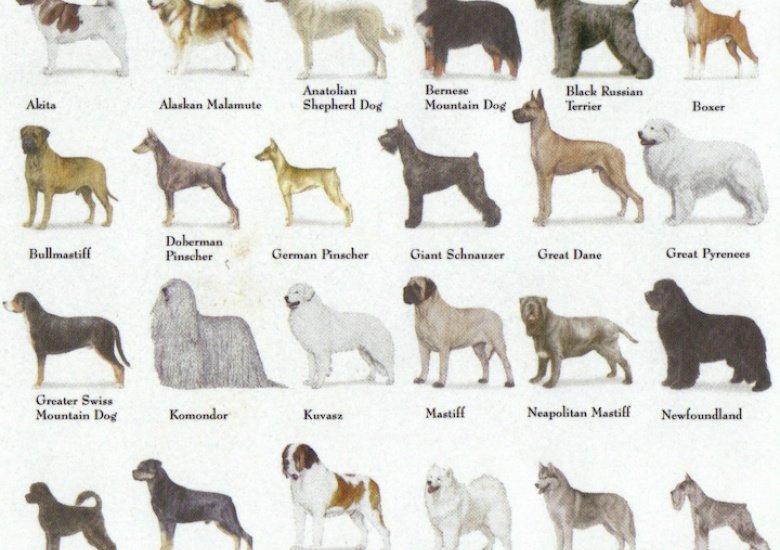
Breeds are often grouped by the jobs they were originally asked to do:
– Working Dogs: Built for tasks such as guarding, pulling sleds, or herding livestock. They thrive when given a daily job or intense exercise.
– Sporting Dogs: Bred to accompany hunters, these dogs love fetching, swimming, and long runs.
– Scent Hounds: Expert trackers who enjoy scent games and structured walks.
– Terriers: Small but spirited diggers originally kept for pest control; they appreciate sturdy toys and secure fences.
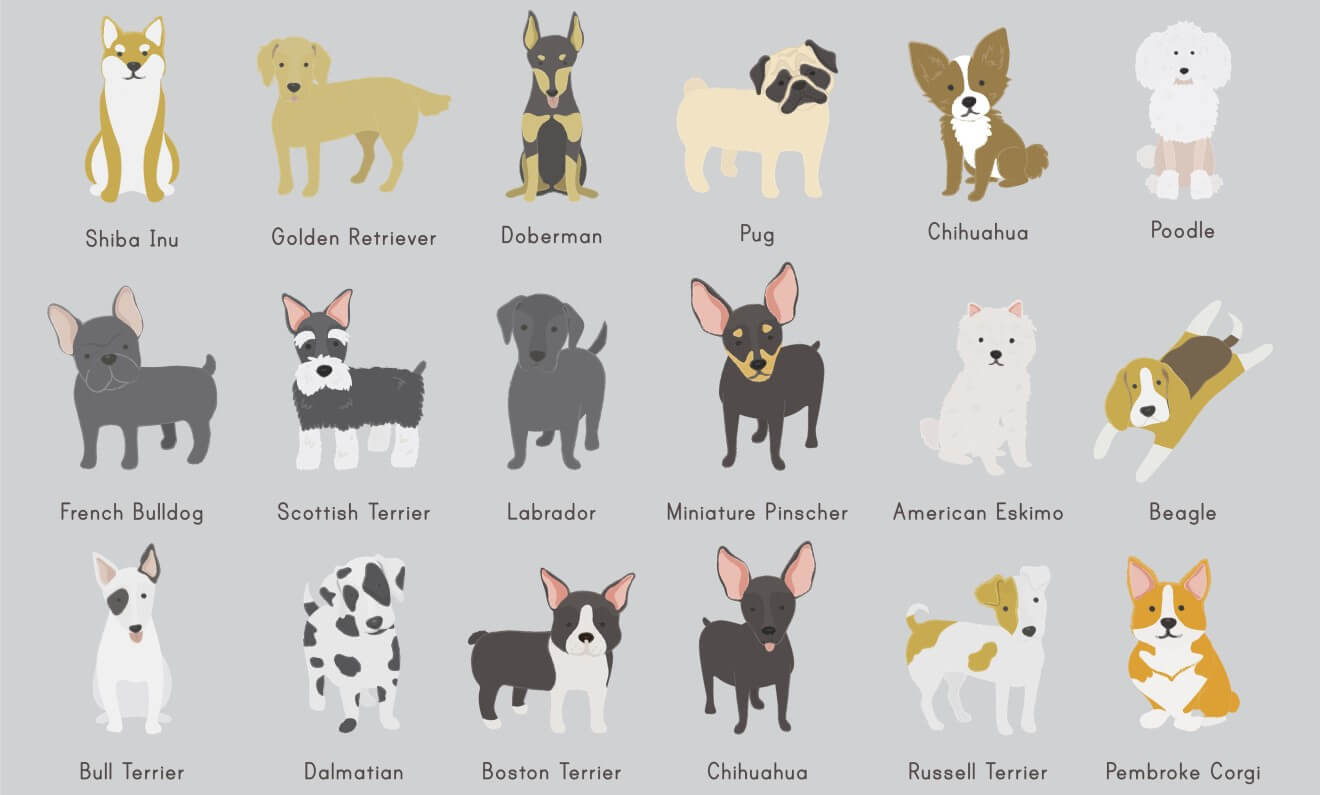
– Toy Companions: Portable in size, these breeds prefer laps to wide-open fields and short, gentle play sessions.
– Non-Sporting Companions: A diverse group valued mainly for friendship; exercise needs range from relaxed strolls to moderate walks.
Factors to Consider When Choosing a Dog Breed
Lifestyle
Think about how you spend an average day. High-energy breeds suit owners who hike or jog regularly, while quieter types are happier with indoor games and brief outings.
Size
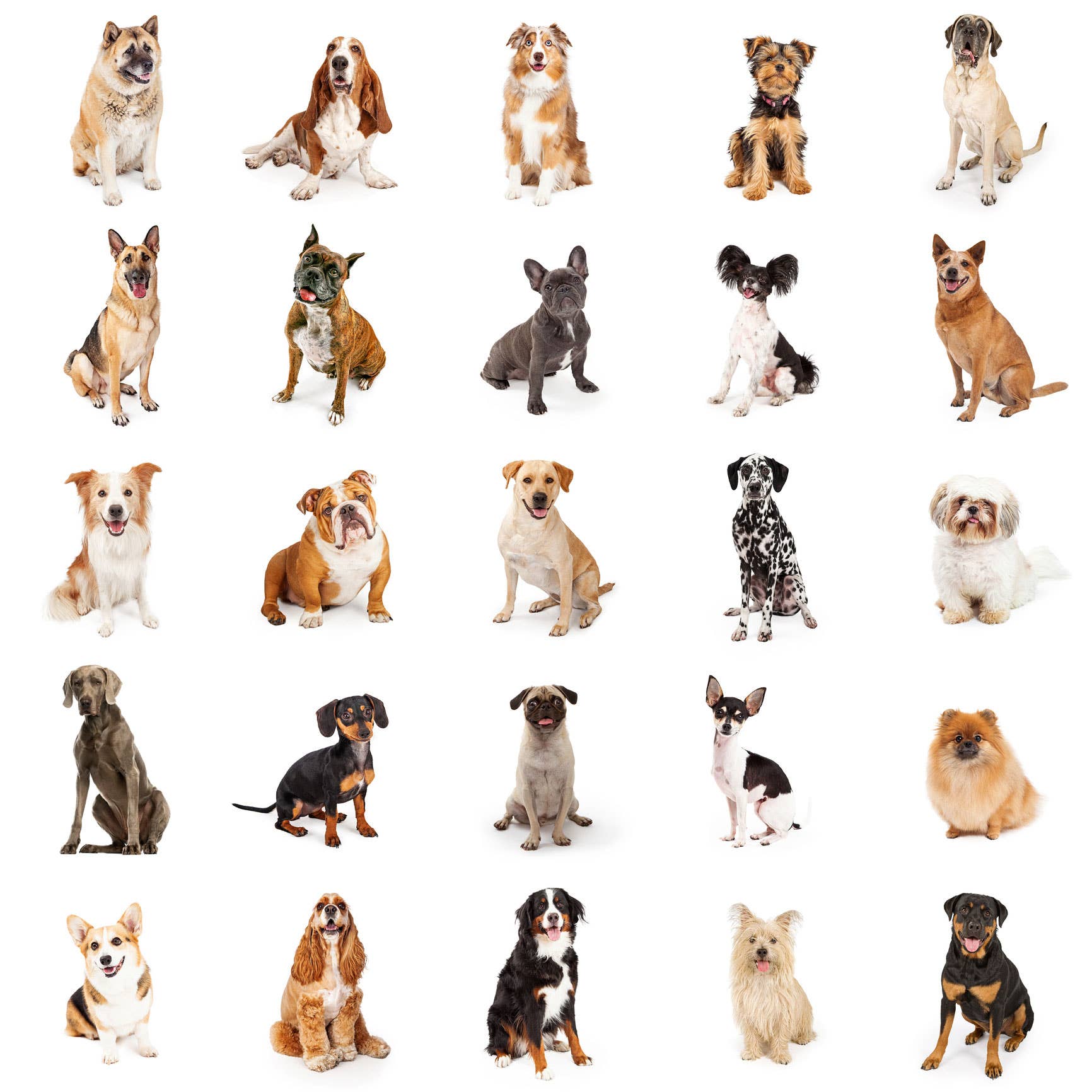
Large dogs need room to stretch and move; smaller ones can adapt to compact homes yet may still demand brisk walks and mental stimulation.
Temperament
Some dogs greet every stranger like a long-lost friend; others are naturally reserved. Decide whether you want an outgoing socialite or a calm observer.
Grooming Needs
Coat type dictates brushing frequency, shedding volume, and professional grooming visits. Be honest about the time you can devote to coat care.
Health and Lifespan
Every breed carries some hereditary risks. Learning about common issues and typical life expectancy helps you plan veterinary care and budget.
Top Dog Breeds for Different Lifestyles
Active Lifestyles
Retrievers, setters, and shepherds excel at running, hiking, and advanced training sports.
Sedentary Lifestyles
Compact companions such as toy breeds or mellow bulldog types are satisfied with short walks and puzzle toys.
Families with Children
Sturdy, patient breeds that enjoy play without easily losing patience often integrate smoothly into busy households.
Single Individuals
Adaptable small-to-medium dogs that bond closely with one person can thrive in apartments and accompany you on errands.
Conclusion
Selecting a dog breed means balancing your living situation, energy level, and future plans with a breed’s innate traits. Careful research and honest self-assessment pave the way for a rewarding partnership that can last well over a decade. Choose thoughtfully, and you gain a loyal companion perfectly suited to share your life.