Boxer Puppies: A Friendly Guide to Raising and Caring for Your New Companion
Introduction
Boxer puppies are celebrated for their boundless energy and steadfast loyalty, making them a favorite among families and active households. In warm, sunny regions like the Southwest, these playful dogs adapt well to outdoor lifestyles and quickly become beloved members of the home. This guide offers practical advice on welcoming, raising, and keeping a Boxer puppy happy and healthy, no matter which city or town you call home.
The History of Boxer Puppies
The Boxer’s story begins in Germany, where 19th-century breeders crossed sturdy hunting dogs with smaller mastiff-type companions. Originally tasked with driving cattle and guarding property, the breed’s intelligence and athleticism later earned roles in search-and-rescue and service work. Over time, selective breeding softened their protective edge while preserving their trademark strength and devotion, turning them into the affectionate house dogs we know today.
Characteristics of Boxer Puppies

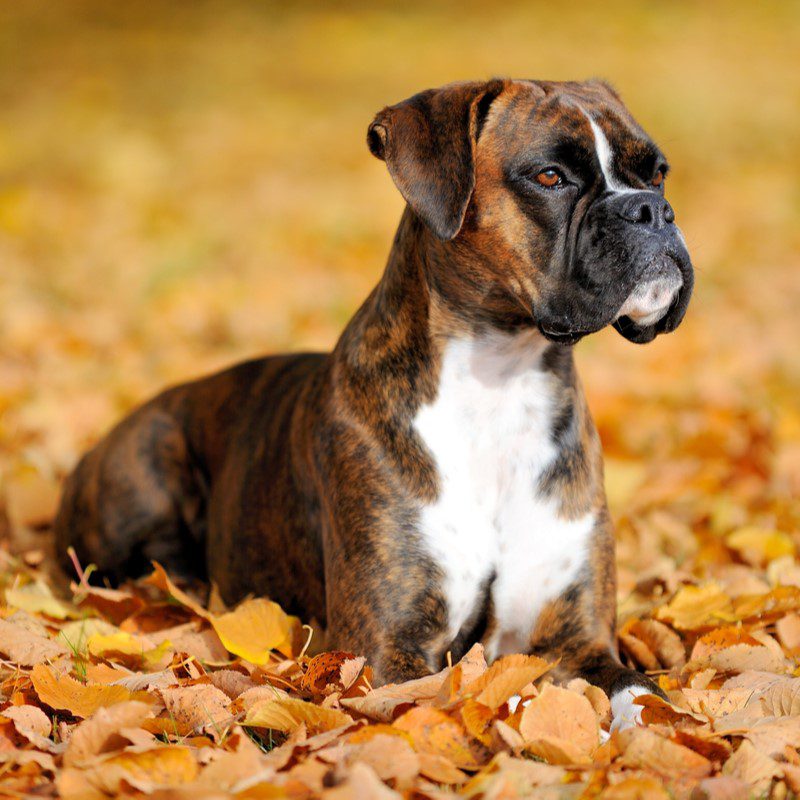
Stocky yet graceful, Boxer puppies carry a short, glossy coat that feels cool to the touch—ideal for warmer climates. Their dark, alert eyes and trademark black mask give them an expressive face that mirrors every mood, from mischief to contentment. Daily play sessions are non-negotiable; without enough activity these pups invent their own entertainment, often at the expense of couch cushions. Consistent, upbeat training channels their enthusiasm into good manners.
Health Concerns for Boxer Puppies
Like any purebred, Boxers can inherit certain conditions, including heart irregularities, seasonal allergies, and joint laxity. Partnering with a trusted veterinarian for routine screenings, keeping vaccinations current, and maintaining a lean body weight are the best defenses. Shade, fresh water, and limited outdoor time during peak heat help prevent overheating in hotter areas.
Caring for Boxer Puppies in Warm Climates
Choosing the Right Breeder
A responsible breeder welcomes questions, introduces you to at least one parent, and provides written health clearances. Visit the premises, observe clean surroundings, and meet puppies that are curious—not fearful—around strangers. Good breeders also remain available for advice long after you take your pup home.

Nutrition
Fast-growing Boxers thrive on age-appropriate, high-quality kibble rich in lean protein and balanced calcium levels. Split meals into three portions until six months of age to reduce the risk of bloat, and avoid heavy exercise right after feeding. Fresh water should always be within reach, especially after playtime under the sun.
Exercise
Two brisk walks and a spirited game of fetch satisfy most young Boxers, but mental workouts matter just as much. Puzzle feeders, basic obedience drills, and short agility sessions keep their clever minds engaged. Early morning or evening outings prevent overheating, while a cooling mat indoors offers a comfy retreat.
Training and Socialization
Begin socialization the day your puppy arrives: invite guests of all ages, stroll past cafés, and explore quiet parks. Reward desired behaviors with treats, toys, or praise—Boxers glow under positive attention. Keep sessions short and upbeat; repetition and patience transform stubborn moments into cooperative habits.
The Role of Boxer Puppies in the Community
Well-socialized Boxers shine at neighborhood events, dog-friendly patios, and therapy visits to local schools or senior centers. Their natural enthusiasm breaks the ice between strangers and encourages active lifestyles for owners of every age. A friendly Boxer on the walking trail often becomes the catalyst for new friendships and community spirit.
Conclusion
Bringing a Boxer puppy into your life means signing up for laughter, daily adventures, and a loyal shadow that hates to miss a moment. With balanced nutrition, consistent training, and protection from extreme heat, these charming dogs repay every effort with unwavering devotion and a wagging whole-body wiggle.
Recommendations and Future Research
Ongoing health screening and responsible breeding practices remain the best tools for minimizing hereditary issues. Owners can support future studies by participating in breed-specific surveys and sharing veterinary data with canine research groups. Continued exploration into exercise physiology and diet will help every Boxer enjoy a longer, happier life beside the people they love.
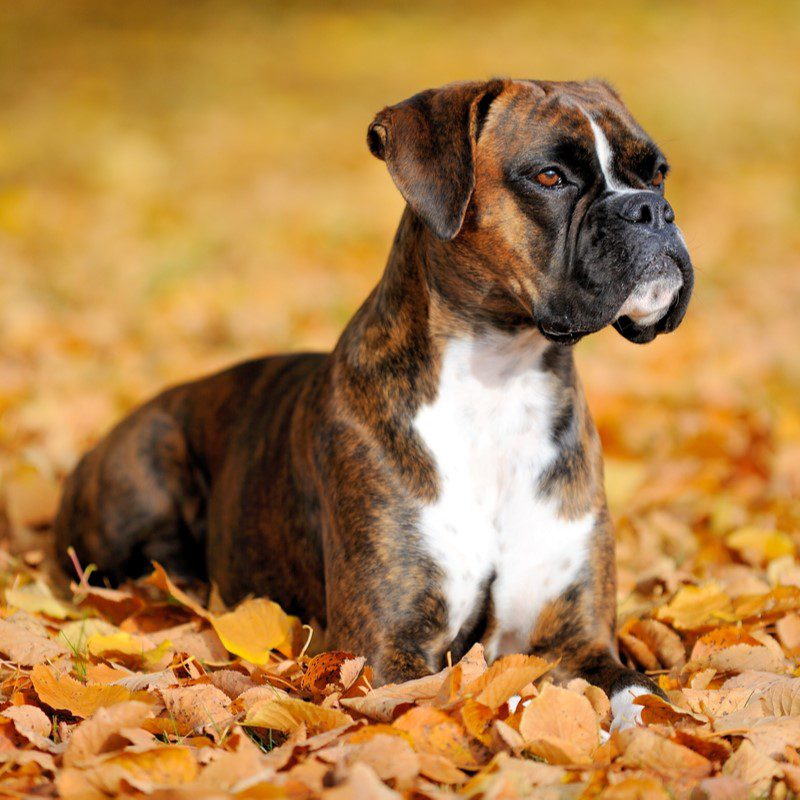
In conclusion, a Boxer puppy is an excellent match for anyone ready to combine affection, structure, and plenty of play. Follow the simple guidelines above, and your new friend will thrive—whether lounging in the shade or sprinting across the backyard chasing tennis balls under a wide desert sky.