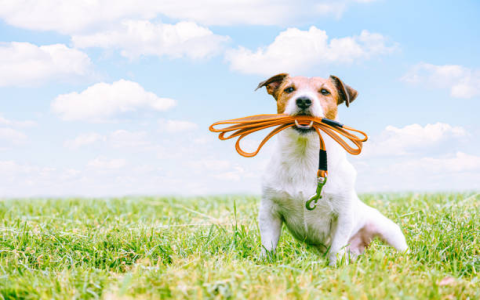
Title: Who to Contact When You Find a Stray Dog: A Practical Guide
Introduction:
Finding a loose dog can leave anyone wondering who should take charge. This guide outlines the best points of contact, why speed matters, and the simple steps that turn a worrying encounter into a safe reunion. Knowing who does what helps the animal, its family, and the whole neighborhood.
Understanding the Importance of Prompt Action
Every hour counts. A dog on its own faces traffic, weather, and stress. Quick calls set the safety net in motion and lift the odds of a happy ending.
Local Animal Control Agencies
City or county animal-control teams handle strays daily. They scan for microchips, file reports, and shelter lost pets until guardians appear. A web search for “animal control” plus your town name usually brings up the right desk or hotline.
Most agencies list after-hours numbers and online forms; use whichever feels faster.
Local Shelters and Rescues
Nearby shelters accept found dogs and keep searchable logs of new arrivals. Calling or emailing photos lets staff check against their missing-animal board. Many groups also post strays on social media within minutes, widening the search instantly.
Even if the first shelter is full, they can direct you to a partner facility that has space.
Local Veterinarians
Good Samaritans often bring dogs to clinics for a quick scan or basic care. Ring a few neighborhood practices; receptionists can tell you if anyone has reported a match or if the dog is already resting in their kennels.
Remember to ask about drop-off policies—some clinics act as temporary holding spots, others prefer you to wait for animal control.
Community Resources and Support
Beyond official channels, everyday spots can spread the word:
– Pet-supply stores and groomers with bulletin boards
– Local Facebook or Nextdoor groups dedicated to lost pets
– Weekly community papers or radio shout-outs
A clear photo, the location found, and a contact method (even a store counter flyer) can travel faster than you think.
Steps to Follow When Picking Up a Lost Dog
Once the dog is secure, keep things simple and safe:
1. Note Details: color, size, collar, behavior—anything that stands out.
2. Make the Calls: start with animal control and the nearest shelter; add online posts for extra reach.
3. Offer Short-Term Care: fresh water, a quiet corner, and no sudden moves until help arrives.
4. Stay in the Loop: share updates with the agency or rescue so everyone works from the same page.
5. Keep Records: save photos, reference numbers, and names; they speed up hand-off later.
Conclusion
Knowing who to ring turns a moment of worry into coordinated action. Animal control, shelters, vets, and neighbors each play a part. Make the calls, share the photo, and give the dog breathing room—you’ve just become the link that gets a family whole again.
Speed and teamwork are the real heroes here. One phone call can start a chain reaction that ends with a wagging tail and relieved hearts on both ends of the leash.