How to Find a Home for Your Dog: A Comprehensive Guide
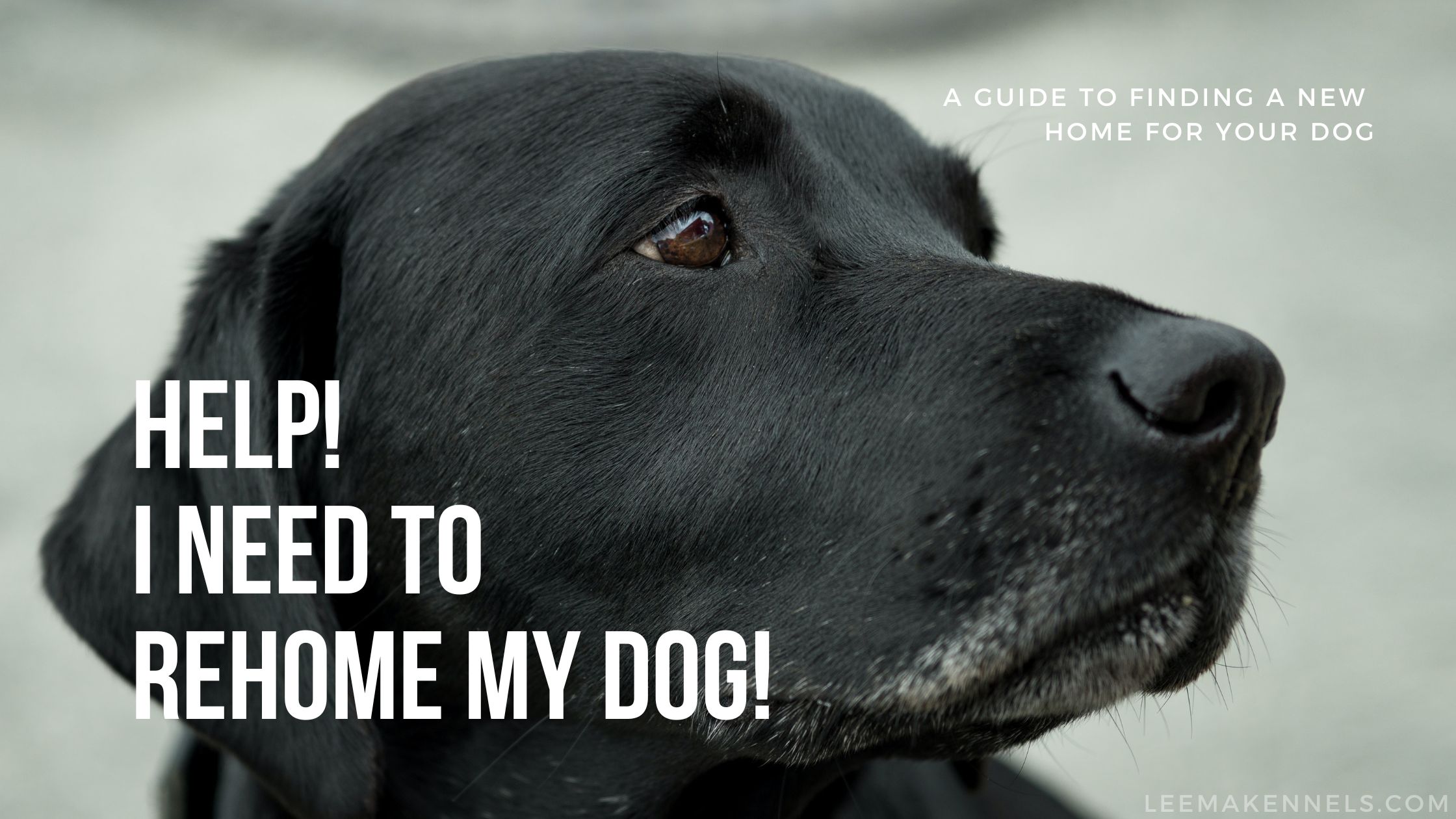
Finding a home for your dog is a significant decision that requires careful consideration and planning. Whether you are rehoming a dog due to personal circumstances or looking to adopt a new furry friend, it is crucial to ensure that the dog finds a loving and suitable environment. This article aims to provide a comprehensive guide on how to find a home for your dog, covering various aspects such as understanding the dog’s needs, identifying potential adopters, and ensuring a smooth transition for both the dog and the new owner.
Understanding Your Dog’s Needs
Before you embark on the journey of finding a home for your dog, it is essential to understand its specific needs. Every dog is unique, and their requirements may vary based on factors such as breed, age, temperament, and health. Here are some key aspects to consider:
Breed-Specific Needs
Different dog breeds have varying energy levels, exercise requirements, and socialization needs. For instance, high-energy breeds like border collies and labrador retrievers require regular physical activity and mental stimulation to thrive. On the other hand, breeds like pugs and shih tzus may be more suited to a quieter lifestyle. Understanding your dog’s breed-specific needs will help you find a suitable home that can cater to its unique requirements.
Age and Developmental Stage
Dogs of different ages have different needs. Puppies require more attention, training, and patience, while adult dogs may have specific health concerns or behavioral issues. Senior dogs may need additional care and understanding. Assessing your dog’s age and developmental stage will help you identify potential adopters who can provide the appropriate level of care.
Temperament and Behavior
Understanding your dog’s temperament and behavior is crucial when finding a home for it. Dogs with assertive or dominant behavior may require experienced owners who can handle them effectively. On the other hand, shy or anxious dogs may need a calm and supportive environment. Identifying potential adopters who can provide a suitable environment based on your dog’s temperament is essential for its well-being.
Identifying Potential Adopters
Finding the right home for your dog involves identifying potential adopters who can provide a loving and suitable environment. Here are some strategies to help you in this process:
Online Platforms and Adoption Agencies
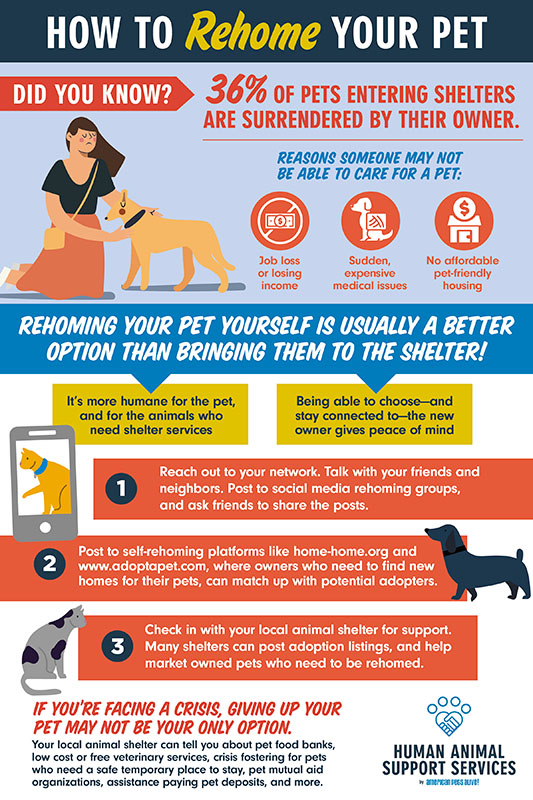
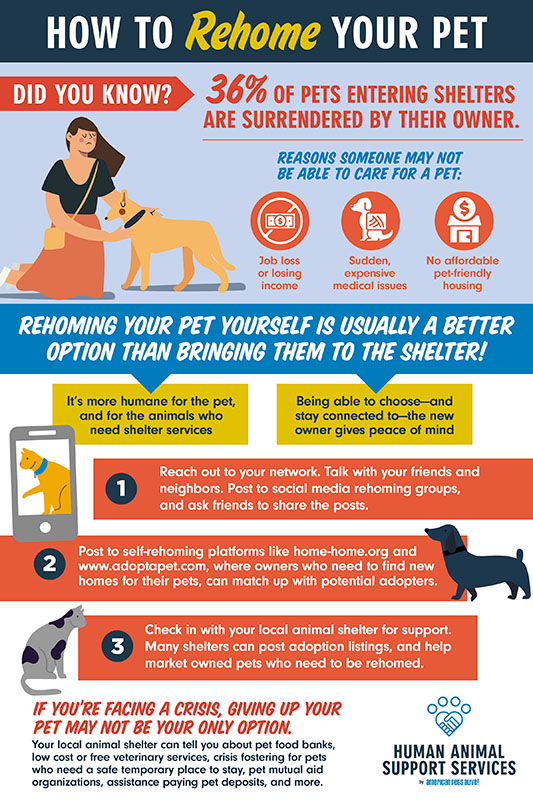
Utilize online platforms and adoption agencies to connect with potential adopters. Many reputable websites and local shelters have a vast network of adopters looking for pets. These platforms allow you to create a profile for your dog, including its photos, description, and requirements. Potential adopters can then contact you directly.
Social Media and Word of Mouth
Leverage social media platforms and word of mouth to reach a wider audience. Share your dog’s story and photos on social media platforms like Facebook, Instagram, and Twitter. Encourage friends, family, and acquaintances to share the post, increasing the chances of finding a suitable home. Additionally, ask local pet-related groups and communities for assistance in spreading the word.
Home Visits and Interviews
Before finalizing an adoption, it is crucial to conduct home visits and interviews with potential adopters. This process helps ensure that the adopter is genuinely interested in providing a loving home for your dog. During the visit, assess the adopter’s living environment, lifestyle, and ability to meet your dog’s needs. Ask about their experience with pets, their understanding of your dog’s specific requirements, and their willingness to commit to long-term care.
Ensuring a Smooth Transition
Transitioning your dog to a new home requires careful planning and consideration. Here are some tips to ensure a smooth transition for both the dog and the new owner:
Gradual Introduction
When introducing your dog to its new home, it is crucial to do so gradually. Allow the dog to explore the new environment at its own pace and provide a safe and comfortable space for it to settle in. Gradually introduce the dog to the new owner, other pets, and family members to help it adjust to the new surroundings.
Training and Behavior Modification
If your dog has any specific behavioral issues, it is essential to address them before rehoming it. Work on training and behavior modification techniques to ensure that the dog is well-behaved and adaptable to the new environment. This will help the new owner feel more confident in taking care of the dog.
Medical and Health Check-ups
Ensure that your dog is up-to-date on vaccinations, spaying or neutering, and any necessary medical treatments. Provide the new owner with a complete medical history and any ongoing health concerns. This will help the new owner understand the dog’s health needs and provide appropriate care.
Follow-up and Support
Offer support and guidance to the new owner during the initial period after adoption. Provide resources and contact information for local vet clinics, dog training classes, and support groups. Regularly check in with the new owner to ensure that the dog is adjusting well and address any concerns or challenges that may arise.
Conclusion
Finding a home for your dog is a significant responsibility that requires careful consideration and planning. By understanding your dog’s needs, identifying potential adopters, and ensuring a smooth transition, you can help your dog find a loving and suitable environment. Remember that rehoming a dog is a selfless act that can bring immense joy to both the dog and the new owner. With the right approach, you can make a positive impact on the lives of both your dog and its future family.