The Enigmatic Ginger Cat: A Look at Feline Behavior and Human-Animal Bonds
Introduction
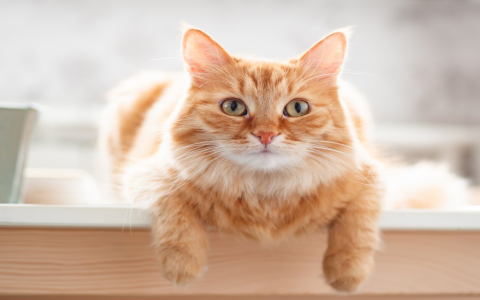
Ginger cats, with their warm coats and open personalities, have long fascinated cat lovers and researchers. This article explores the world of these affectionate felines, highlighting their distinctive traits, typical behaviors, and the meaningful connections they form with people. By reviewing what makes ginger cats special, we gain a clearer picture of the broader human-cat relationship and the simple joys these pets bring to everyday life.
The Appearance of the Ginger Cat
Ginger cats stand out thanks to their rich, reddish coats. This coloring comes from a pigment known as pheomelanin, which creates shades ranging from pale cream to deep marmalade. Beyond color, many ginger cats project an approachable vibe, often greeting strangers with a calm tail flick or gentle head-butt rather than a wary retreat.
Behavior Patterns of the Ginger Cat

Social Behavior
Most ginger cats lean toward sociability. They frequently follow family members from room to room, join conversations with soft chirps, and volunteer for lap duty the moment a sofa is occupied. This people-oriented style likely reflects generations of cats that were quietly favored for their easygoing nature.
Playfulness
Play remains a lifelong pursuit for many ginger cats. Feather wands, crinkly balls, and even sunbeam chasing keep them entertained well past kittenhood. Their enthusiasm often encourages owners to stay active as well, turning a simple play session into shared exercise.
Communication
Ginger cats tend to be chatty in a pleasant way. A short trill may signal “hello,” while slow eye blinks convey trust. Owners quickly learn to read these small gestures, creating a quiet dialogue that strengthens the bond on both sides of the friendship.
The Impact of the Ginger Cat on Human-Animal Interaction
Emotional Connection
A ginger cat’s willingness to curl up beside a worried owner or greet a returning worker at the door can soften the edges of a stressful day. Many people describe an immediate sense of calm when a warm purr begins against their leg, illustrating how these cats act as steady emotional companions.
Health Benefits
Time spent stroking a purring cat can lower heart rate and encourage mindful breathing. Regular routines built around feeding and play also add structure to the day, supporting mental well-being in gentle, unobtrusive ways.
The Science Behind the Ginger Cat
Genetic Factors
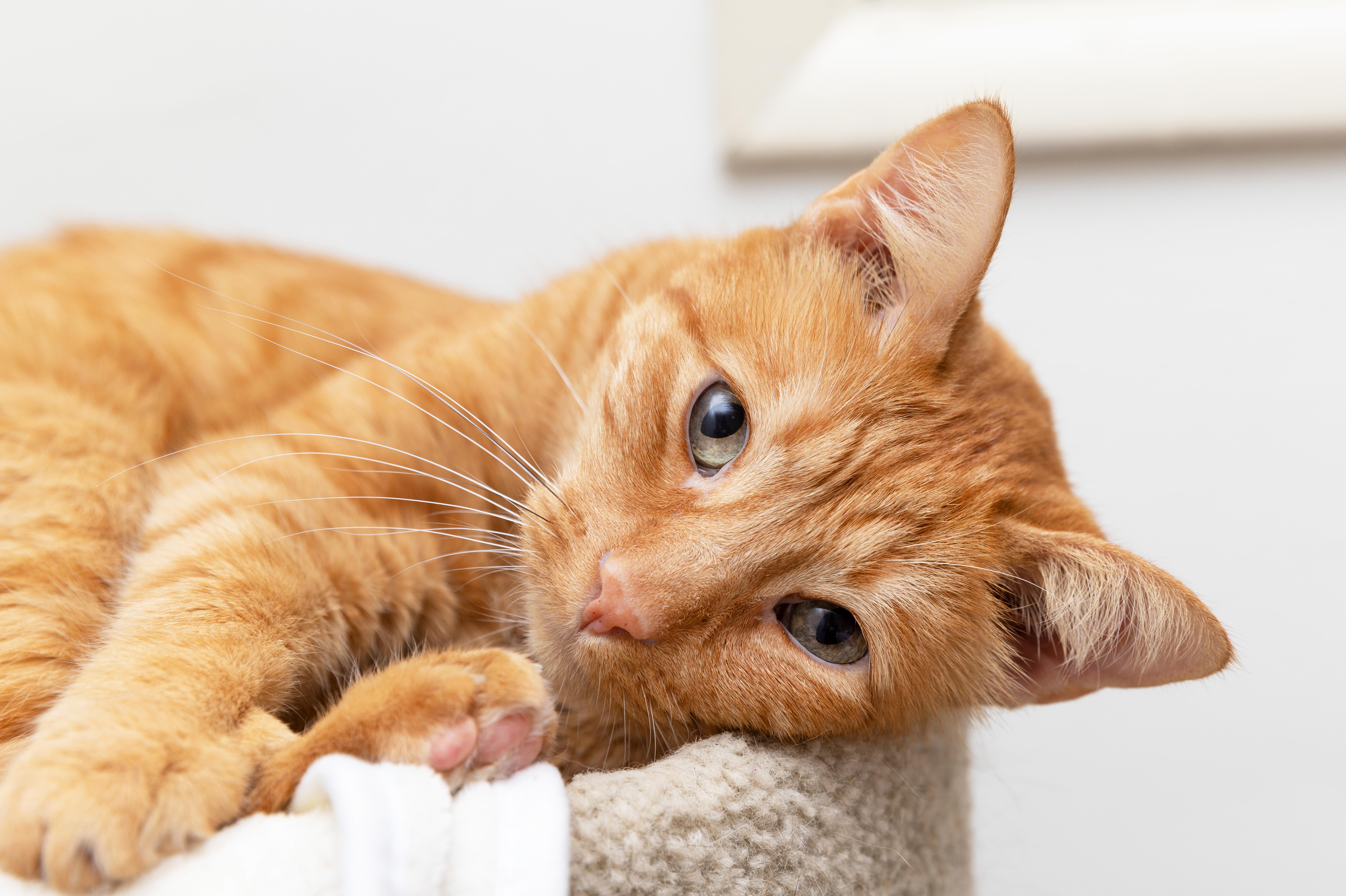
The coat color linked to ginger cats is carried on the X chromosome, which is why males outnumber females in this shade. While coat color itself does not dictate personality, the same genetic pathways sometimes overlap with traits such as boldness, giving rise to the “friendly ginger” reputation.
Neurochemicals
Like all cats, gingers rely on brain chemicals such as serotonin and oxytocin to regulate mood. Positive daily interactions with humans keep these systems balanced, reinforcing the relaxed temperament owners appreciate.
Case Studies and Personal Narratives
To illustrate the ginger cat’s influence, several owners shared brief reflections on life with their pets.
Story 1: The Healing Power of a Ginger Cat
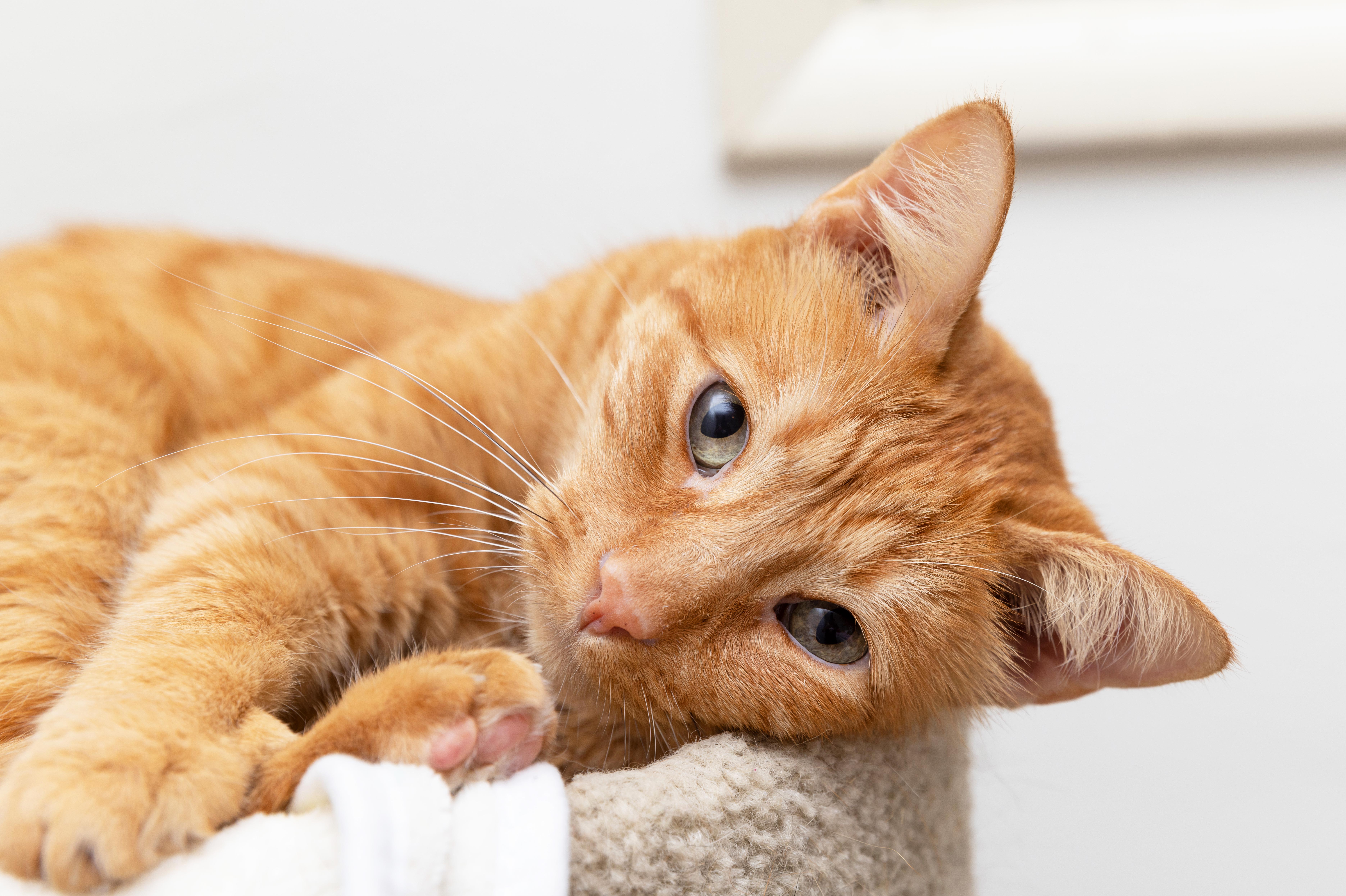
One guardian recalled long weeks of recovery after surgery. Her ginger companion never left her side, offering gentle purrs and warm naps on the blanket. “He turned lonely hours into quiet moments of comfort,” she said. “I healed faster because he was there.”
Story 2: The Bond Between a Child and Her Ginger Cat
A second story comes from a young woman who grew up alongside a ginger kitten adopted from a neighborhood litter. “He waited for me at the bus stop every afternoon,” she remembers. “Through homework stress, friendship ups and downs, and family moves, he was the constant that made every house feel like home.”
Conclusion
Ginger cats combine striking looks with open hearts, making them memorable members of countless households. Their playful energy, sociable nature, and easy affection enrich daily routines and remind us how simple companionship can brighten life. Understanding both the science and the stories behind these cats deepens our appreciation for the quiet, steady role they play in human lives.

Recommendations and Future Research
Continued study of coat-color genetics and behavior could clarify why certain color patterns often pair with specific temperaments. Long-term surveys tracking owner well-being would also help quantify the everyday benefits of living with a ginger cat. Meanwhile, encouraging calm, friendly traits through responsible breeding and gentle handling will ensure future generations of these orange companions remain cherished partners in the human-animal bond.