
Title: The Best Dog Breed for Cats: A Comprehensive Guide
Introduction:
The relationship between dogs and cats has long fascinated pet owners. While some believe the two species can share a home in peace, others feel their instincts make conflict inevitable. This guide looks at which types of dogs tend to get along best with cats, focusing on temperament, size, and energy so you can choose a companion who will fit smoothly into a feline-friendly household.
Understanding the Basics of Dog and Cat Companionship
Cats usually value independence and predictable surroundings, so a new canine sibling can feel overwhelming at first. Dogs, by contrast, are social animals that crave interaction and daily activity. A successful match depends on respecting these differences and selecting a dog whose natural style is calm, patient, and respectful of personal space.
The Importance of Temperament
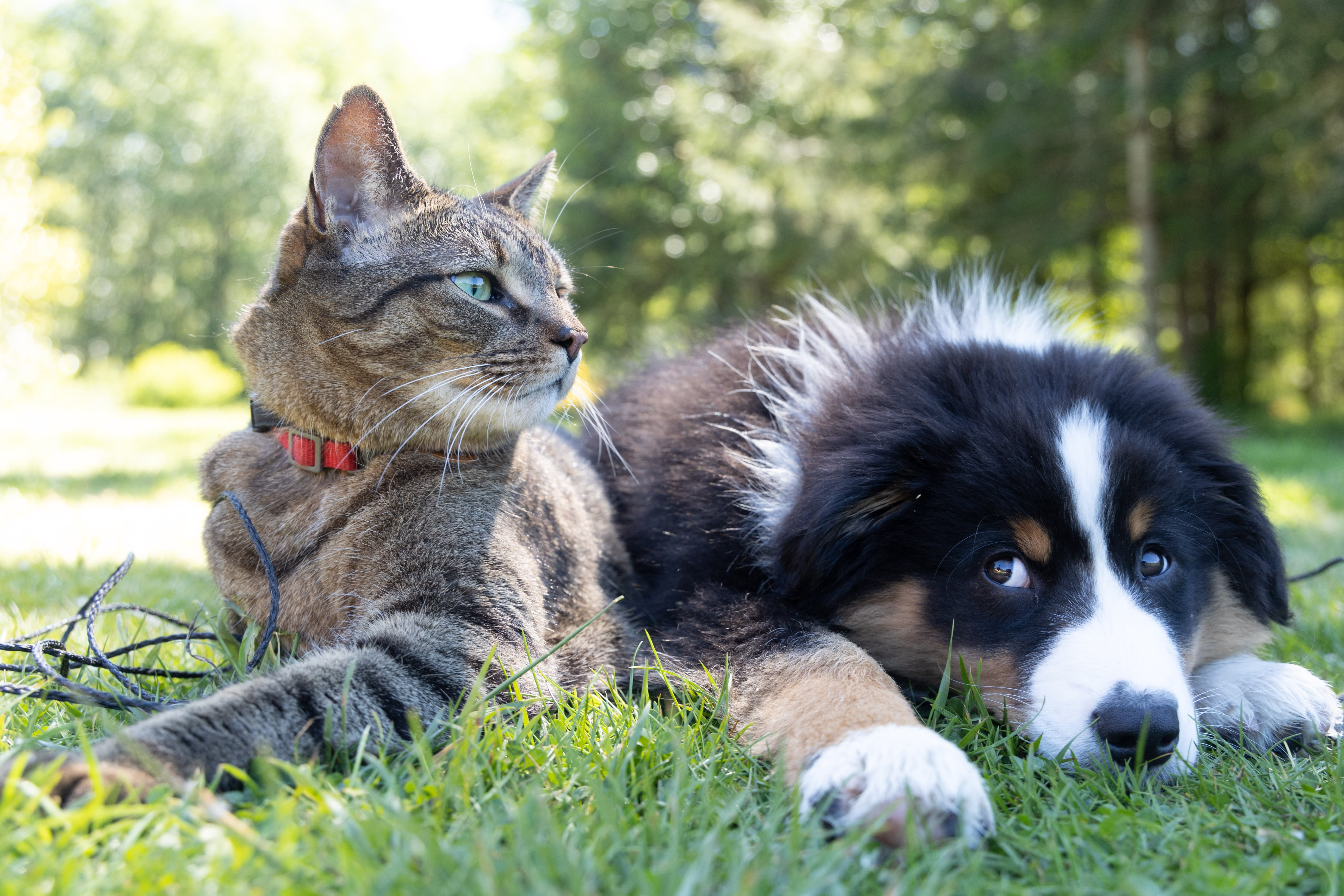
A relaxed, even-tempered dog stands the greatest chance of winning feline trust. Breeds known for steady, friendly personalities often adapt more quickly to a cat’s routines. Examples frequently praised for their gentle nature include:
– Golden Retriever: cheerful, tolerant, and rarely ruffled by a swatting paw.
– Labrador Retriever: sociable without being pushy, happy to share a sunny spot.
– Beagle: playful yet people-pleasing, usually curious about cats in a friendly way.
– Bulldog: mellow and affectionate, content to nap near—or even with—a feline friend.
The Role of Size and Energy Level
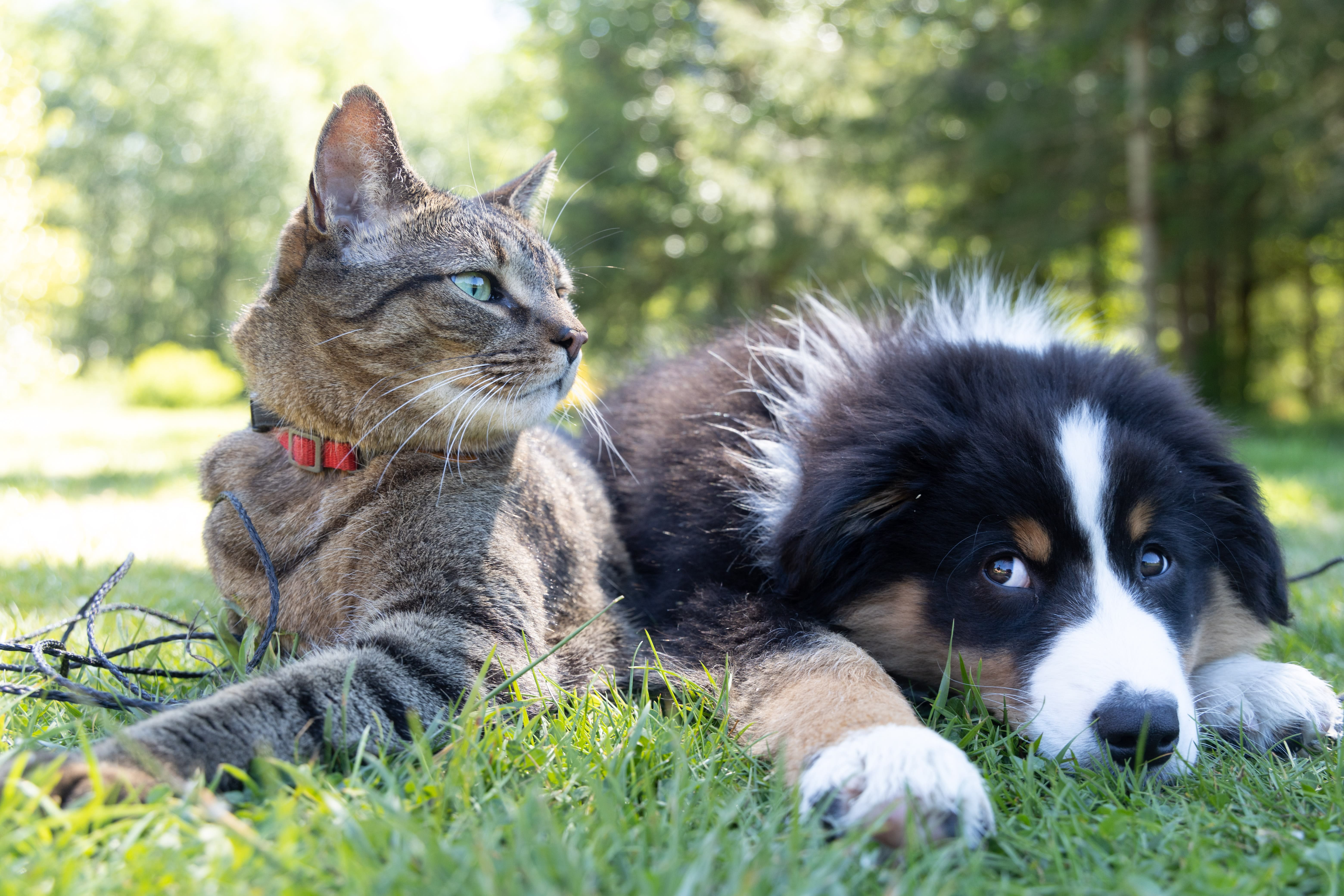
A boisterous toy-sized dog can stress a cat more than a quiet giant. The key is matching overall vigor to your cat’s tolerance. Breeds that often strike the right balance include:
– Pug: small, low-impact companions who prefer cuddles to chaos.
– French Bulldog: compact and easygoing, satisfied with short play sessions.
– English Bulldog: larger but famously placid, moving through life at a stroll.
– Collie: bigger yet gentle, inclined to herd calmly rather than chase.
The Benefits of a Cat-Friendly Dog Breed
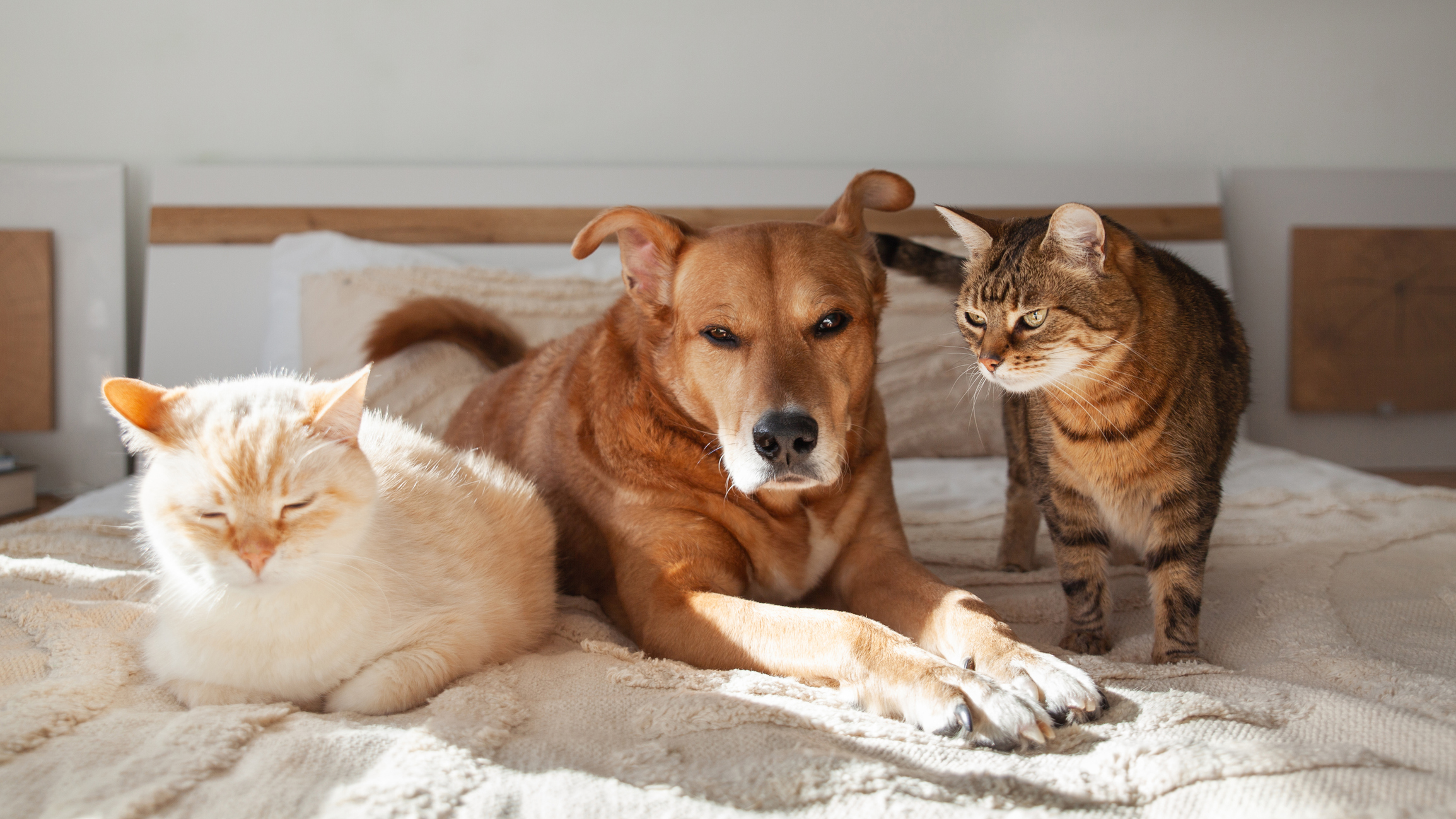
When personalities align, both pets reap rewards:
– Companionship: a polite dog can ease feline loneliness while you’re away.
– Entertainment: gentle play keeps minds sharp and bodies active.
– Security: a watchful canine presence can deter unfamiliar animals from entering the yard.
– Shared Activity: supervised games encourage exercise for both species, supporting healthy weight and mood.
Conclusion
No single breed guarantees harmony, but dogs renowned for patience, moderate energy, and a friendly outlook—such as Golden Retrievers, Labradors, Beagles, and Bulldogs—offer an excellent starting point. Combine thoughtful selection with slow introductions, consistent training, and ongoing supervision to give your cat and dog the best chance of forging a peaceful, lifelong friendship.
Remember, breed tendencies are only part of the picture. Early socialization, clear boundaries, and positive reinforcement shape individual behavior far more than ancestry alone. Invest time in guided meet-and-greets, reward calm interactions, and provide separate retreats for each pet. With patience and care, a blended household can thrive, filling your home with twice the love and only a fraction of the drama.