Introduction
Bombay cats, admired for their jet-black coats and mini-panther look, often spark curiosity about how large they ultimately become. This overview explores their typical dimensions and growth trajectory, offering practical guidance for anyone sharing life with one of these sleek companions.
Physical Characteristics of Bombay Cats
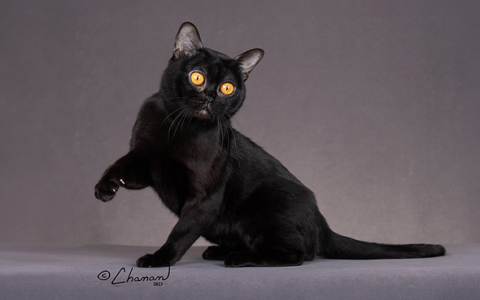
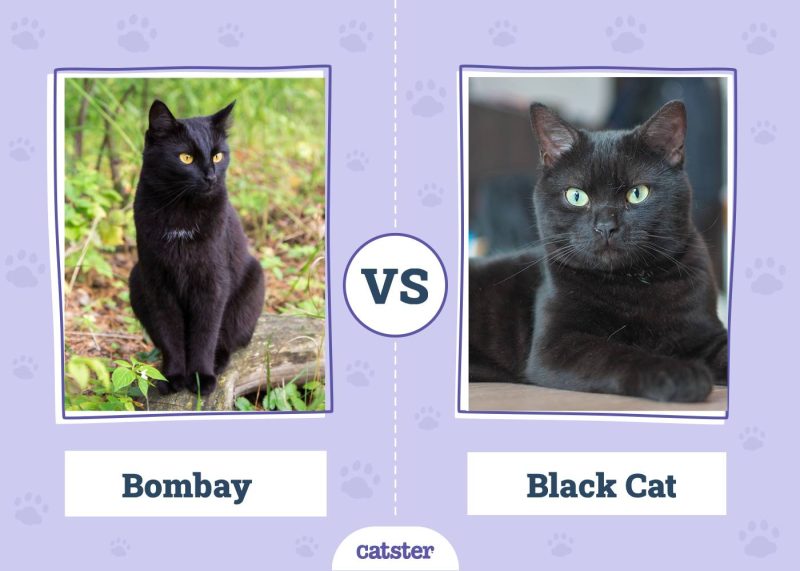
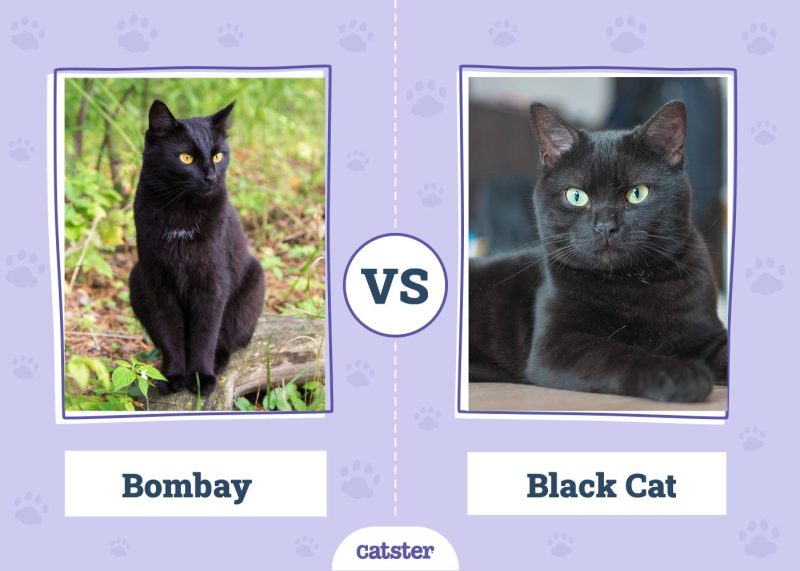
Developed through selective breeding, the Bombay is a medium-sized, muscular cat wrapped in a short, mirror-like black coat. Bright, round eyes and a gently rounded head give the breed its signature expression.
Size
Most adults stand roughly 8–12 inches (20–30 cm) at the shoulder. Males usually occupy the upper end of the range, while females remain slightly more petite.
Weight
Healthy adults commonly tip the scales between 6 and 10 lb (2.7–4.5 kg). Individual numbers shift with age, activity, and feeding routine, so regular weight checks help keep them in ideal condition.
Growth Patterns
Bombays typically finish height and length gains by 12 months, though some may fill out muscularly until 18 months. Consistent meals, routine play, and vet visits support steady, balanced development.
Factors Influencing Size
Final build reflects a blend of heredity, nutrition, and surroundings.
Genetics
The breed’s Burmese and related ancestry predisposes Bombays to a compact, moderate frame rather than extreme size.
Diet
High-quality food served in measured portions fuels lean muscle without encouraging excess weight. Fresh water and occasional treats round out the menu.
Environment
Calm households with space to climb and explore promote healthy activity levels, while chronic stress can dampen appetite and growth.

Importance of Understanding Growth Patterns
Tracking a kitten’s monthly progress helps owners spot deviations early, ensuring prompt veterinary advice if growth stalls or suddenly surges.
Conclusion
Bombays remain elegantly compact, generally maturing around the 6–10 lb mark within their first year. Attentive care, balanced meals, and an enriching home give these glossy pantherettes the best chance to thrive.
Future Research
Continued study could clarify how specific genes, dietary proteins, and early-life environments shape long-term size and health in the breed.

1. Hereditary markers linked to lean versus stocky builds.
2. Optimal nutrient ratios for steady growth without obesity.
3. Early physical cues that predict future orthopedic or metabolic issues.
Expanding knowledge in these areas will help caregivers fine-tune nutrition, exercise, and preventive care for every Bombay cat.