



Boxer Puppies: A Complete Guide to Happy, Healthy Companions
Introduction
Boxer puppies have captured hearts around the world with their boundless energy, bright minds, and steadfast loyalty. Bred for both work and play, these medium-to-large dogs fit naturally into active households that can match their zest for life. This guide walks you through everything you need to know about welcoming and raising a Boxer, from puppyhood to proud adult.
The History of Boxers
The breed took shape in late-19th-century Europe, where hunters and cattlemen wanted a versatile dog that combined strength, speed, and a people-loving spirit. The result was the Boxer: powerful enough to control livestock, agile enough to serve beside soldiers, and gentle enough to guard children. Over the decades, the breed traded farmyards for family rooms, yet its trademark enthusiasm never faded.
Temperament and Personality

Expect a comic genius wrapped in muscle. Boxers are affectionate clowns who crave human company and thrive on structured play. They learn commands quickly but may add their own twist, so patience and a sense of humor are essential. Given daily exercise and clear boundaries, they mature into calm, watchful housemates who double as natural doorbells.
Health and Care
While generally robust, Boxers can inherit heart irregularities, hip concerns, and sensitive skin. Schedule annual vet exams, keep vaccinations current, and discuss breed-specific screening with your veterinarian. Maintaining a healthy weight lowers stress on joints and organs, giving your dog the best odds for a long, comfortable life.
Diet
Choose a high-quality kibble formulated for active, large-breed puppies, then transition to an adult recipe after growth plates close. Measure meals instead of free-feeding, and limit rich table scraps that can trigger tummy trouble. Fresh water should always be available, especially after play sessions.
Exercise

Aim for at least an hour of combined activity daily—brisk walks, fetch, or scent games in a secure yard. Puzzle toys and short training drills provide mental workouts that prevent boredom barking and furniture acrobatics. In warm weather, exercise during cooler hours; the breed’s short muzzle makes heat regulation harder.
Grooming
The sleek coat sheds moderately year-round. A five-minute once-over with a rubber curry brush removes loose hair and distributes skin oils. Bathe only when dirty, clean ears weekly, and trim nails every few weeks. A quick dental routine—chew toys or canine toothpaste—keeps that famous smile bright.
Training and Socialization
Start the day your puppy arrives. Positive, reward-based lessons build confidence and strengthen your bond. Keep sessions short, upbeat, and consistent, ending on a success.
Training
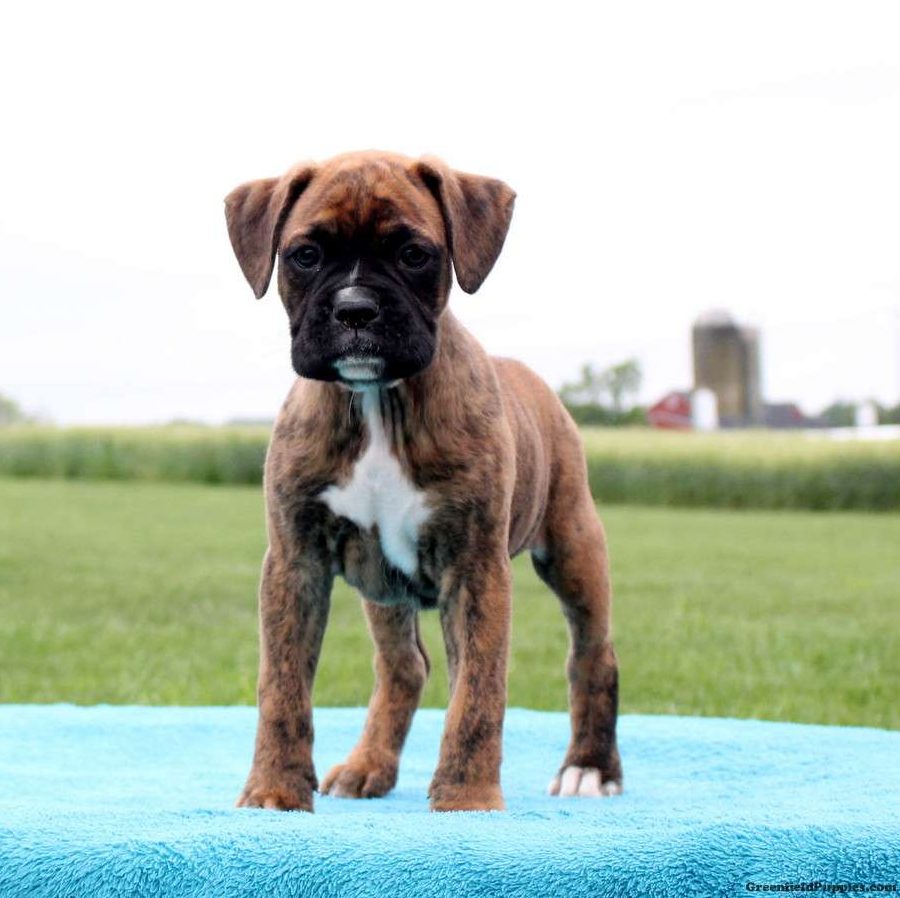
Mark desired behaviors with treats or play, then gradually fade rewards to intermittent praise. Teach impulse-control games like “sit for the leash” or “wait at doors” to channel exuberance into polite habits.
Socialization
Introduce new sights, sounds, people, and friendly dogs in controlled settings during the first four months. Pair each novel experience with treats so your pup files them under “fun” instead of “fear.” Continued outings into adulthood preserve their easygoing nature.
Finding Your Boxer
Whether you adopt or purchase, do your homework. Look for transparent health records, clean environments, and adults with sound temperaments. Meet at least one parent if possible, and ask about lifetime return policies—responsible sources always welcome their dogs back.
Breeders
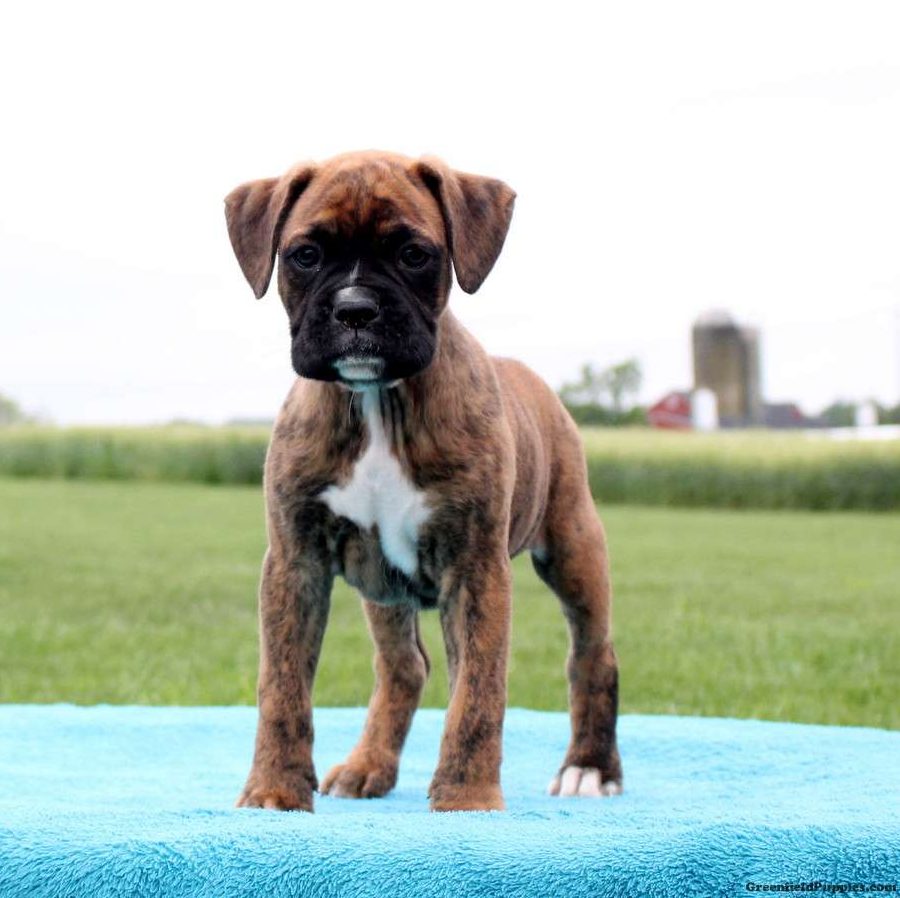
Seek breeders who complete recommended cardiac and hip evaluations, raise litters indoors, and socialize puppies to household chaos. Good breeders interview you as thoroughly as you interview them, ensuring every pup lands in a prepared, committed home.
Rescues and Shelters
Breed-specific rescue networks frequently have adolescents or adults whose energy level and size proved too much for prior owners. Adopting gives a second chance to a dog already spayed or neutered, vaccinated, and temperament-tested.
Conclusion
A Boxer rewards dedicated owners with unwavering loyalty, endless entertainment, and a warm head on your lap at day’s end. Provide consistent training, daily exercise, preventive healthcare, and heaps of affection, and your spirited companion will return the favor tenfold for years to come.


