


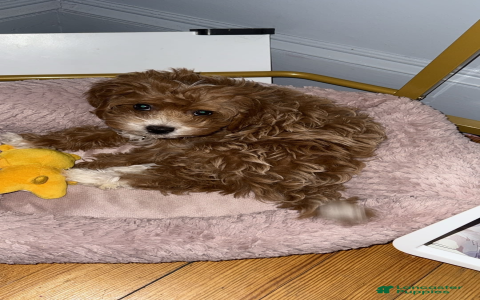
Maltipoo Rescues: A Comprehensive Overview
Introduction
The Maltipoo—a lively mix of Maltese and Poodle—has become a favorite companion thanks to its playful spirit, low-shedding coat, and portable size. Yet popularity does not guarantee permanence; these dogs still find themselves surrendered to shelters and foster networks. This overview examines why Maltipoos lose their homes, the hurdles rescues confront, and the rewards of choosing adoption.
Reasons Maltipoos Lose Their Homes
1.1 Health Considerations
Crossbreeds can inherit joint, dental, or skin issues from either parent line. When unexpected vet bills arise, some guardians feel overwhelmed and relinquish the dog.
1.2 Training Gaps
Small size can tempt owners to skip consistent guidance. Without clear boundaries, barking, nipping, or separation anxiety may develop, straining the human-animal bond.
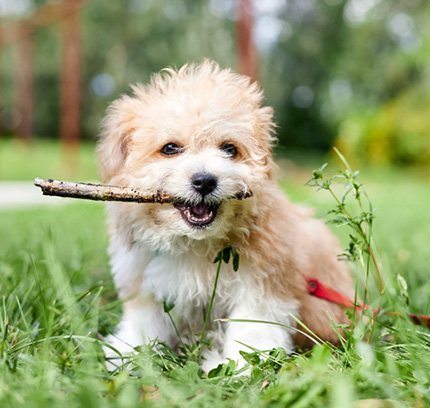
1.3 Life Changes
Relocation, financial setbacks, new babies, or allergies can prompt families to re-home a pet they once cherished.
Challenges Confronting Rescue Groups
2.1 Limited Resources
Foster homes, veterinary funds, and volunteer hours are rarely sufficient, forcing organizations to prioritize urgent cases and maintain wait-lists.
2.2 Matching Demand
Many adopters request puppies or “perfect” dogs, while seniors or those needing behavior modification wait longer, stretching kennel capacity.
2.3 Low Visibility
Potential adopters often browse commercial sites first, unaware that breed-specific rescues exist or that mixed-breed Maltipoos are available.
Benefits of Adopting a Maltipoo
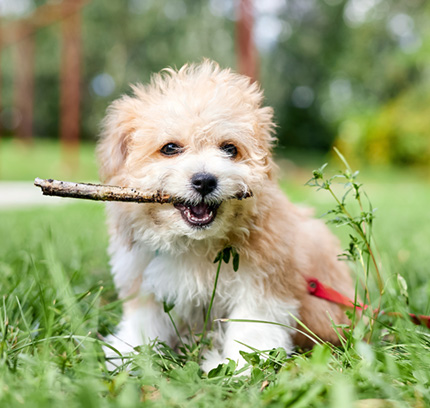
3.1 A Second Chance
Opening your home frees rescue space and gives a dog the stability it craves, replacing uncertainty with routine and affection.
3.2 Curbing Overpopulation
Every adoption reduces demand for impulse purchases and discourages casual breeding, easing strain on regional shelters.
3.3 Strengthening Community Care
Adoption fees cycle back into vaccinations, spay/neuter services, and outreach programs, amplifying collective impact.
Conclusion
Maltipoo rescues transform lives—canine and human alike. By recognizing surrender triggers, supporting frontline volunteers, and choosing adoption, we nurture a culture where companionship is lifelong and second chances are standard.
As one advocate noted, “Compassion today shapes the kindness of tomorrow.” Welcoming a rescued Maltipoo is a practical step toward that future.

Recommendations and Next Steps
Practical measures can widen the safety net for these dogs:
4.1 Boost Visibility
Share success stories on social platforms, host meet-and-greet events at pet stores, and distribute eye-catching flyers in veterinary clinics.
4.2 Offer Guidance
Provide post-adoption hotlines, virtual training classes, and handouts on house-training, grooming, and enrichment tailored to small doodle mixes.
4.3 Partner Broadly
Coordinate with shelters, groomers, and trainers to create smooth intake and transition pathways for dogs in need.
Future Inquiry

Continued study will refine best practices:
5.1 Lifelong Wellness
Track health trends across rescued Maltipoos to inform preventive care protocols and early screening checklists.
5.2 Adoption Outcomes
Survey retention rates, training milestones, and guardian satisfaction to identify factors that keep dogs happily placed.
Together, awareness, education, and data-driven care can secure brighter tomorrows for every Maltipoo in search of a sofa to call its own.


