Title: The Plight of Homeless Dogs: A Comprehensive Analysis
Introduction
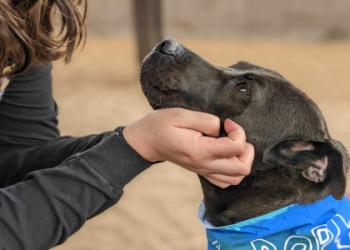
The growing number of dogs without homes has become a serious concern across many regions. These animals, often left behind or lost, endure daily hardships that threaten both their health and spirit. This article explores why dogs become homeless, what happens to them afterward, and how communities can respond. By considering the views of rescue groups, local authorities, and everyday citizens, we aim to highlight the many layers of this challenge and encourage thoughtful action.
Causes of Homelessness
Several factors combine to put dogs on the street. A leading reason is impulsive adoption: people sometimes welcome a puppy without fully grasping the time, cost, and care it will need for ten or more years. When routines change—new jobs, tighter budgets, or housing that bans pets—the dog is often the first casualty.
Over-breeding also fuels the crisis. In many towns, litters outpace the number of available homes, filling kennels beyond capacity. When shelters run out of space, even healthy, friendly dogs risk being turned away.
Profit-driven breeding adds further strain. Large-scale operations that prioritize sales over welfare can produce puppies with health or behavior problems. Once the novelty fades, these dogs frequently end up abandoned.
Consequences of Homelessness
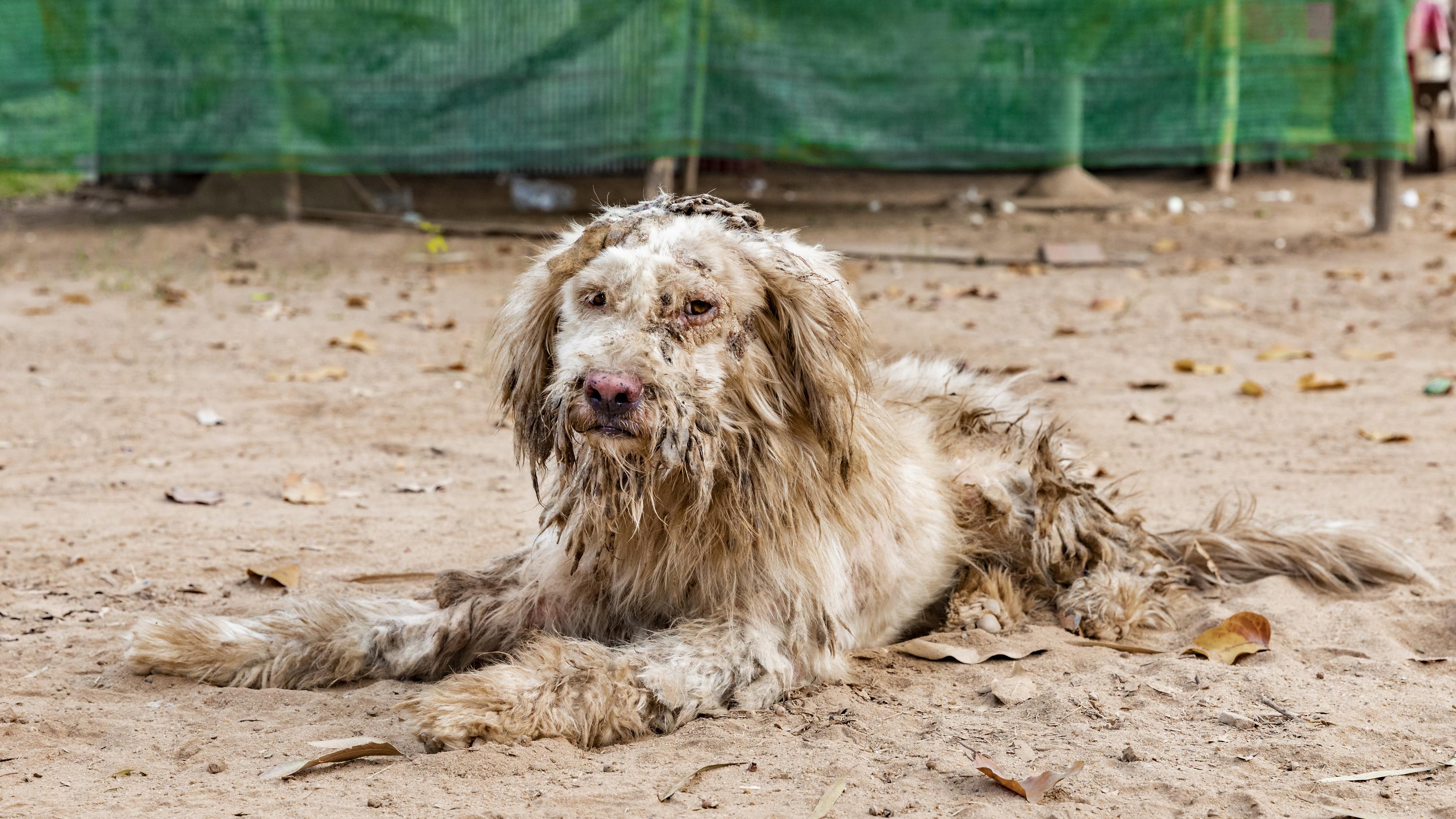
Life on the street is harsh. Homeless dogs face traffic injuries, fights over food, and extreme weather. Hunger and untreated illnesses quickly take a toll, shortening life expectancy dramatically.
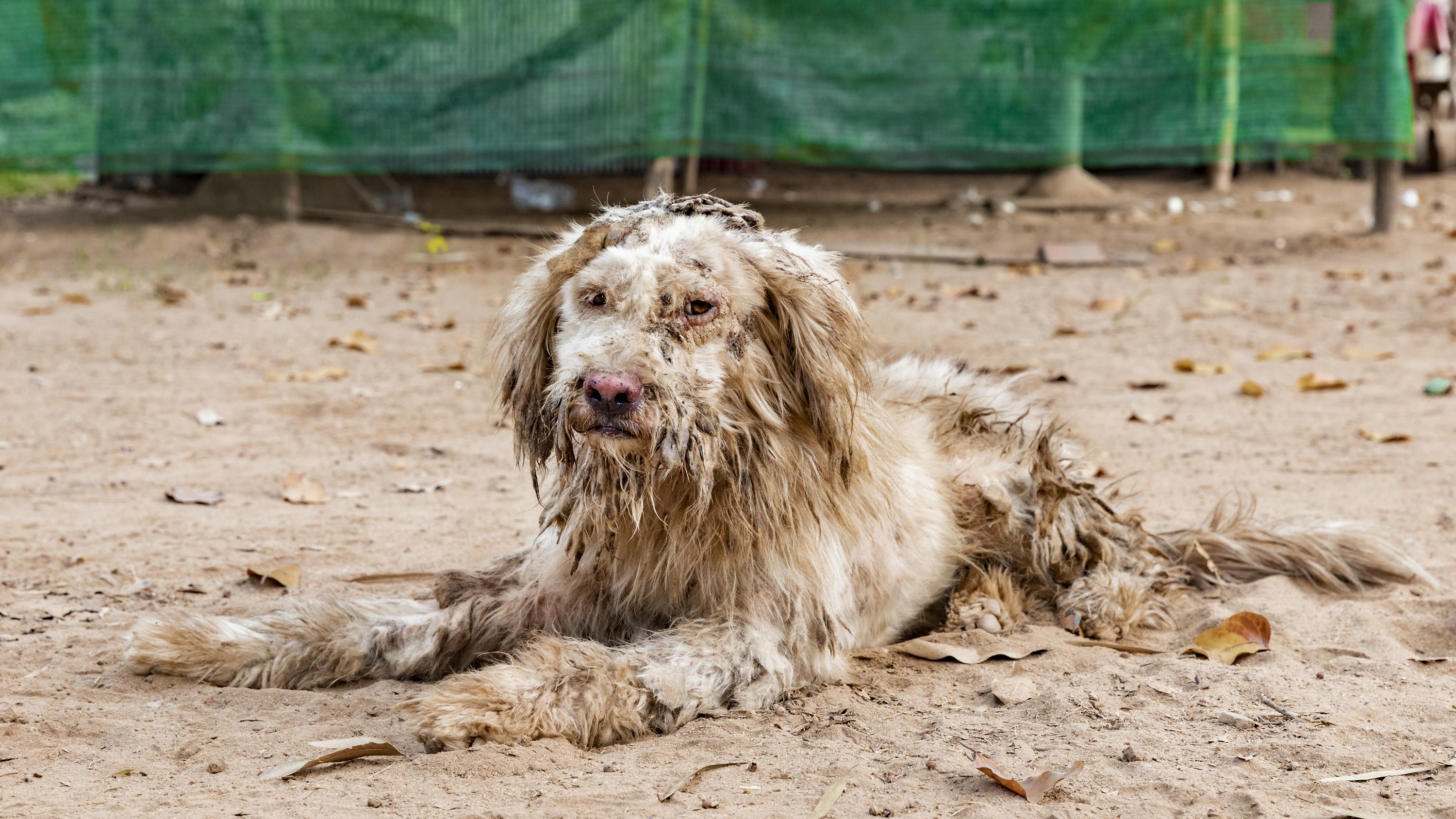
The emotional damage is equally severe. Constant uncertainty can lead to anxiety, distrust of humans, and difficulty learning new routines. These behavior changes reduce the chance of successful adoption, trapping dogs in a cycle of rejection.
Neighborhoods feel the impact too. Unchecked populations can spread parasites or create noise and waste issues, prompting public complaints and, at times, heavy-handed control measures.
Efforts to Address the Issue
Volunteer networks and nonprofit shelters work around the clock to provide food, vaccinations, and temporary refuge. Adoption events, low-cost sterilization clinics, and school talks on responsible care all help move dogs into permanent homes while preventing new litters.
City councils are also stepping in. Rules that encourage sterilization, limit large-scale breeding, and require identification tags reduce the flow of dogs onto the streets. Some areas pair these laws with humane capture-and-return programs that stabilize neighborhood packs without unnecessary harm.
Individuals make a difference as well. Choosing adoption over shopping, donating supplies or time to local groups, and spreading the message of lifelong commitment all chip away at the problem.
Challenges and Future Directions
Progress is slowed by tight budgets. Shelters often rely on donations that fluctuate with the economy, leaving staff stretched and facilities overcrowded.
A wider, long-term fix requires tackling root issues: public education, accessible veterinary care, and consistent enforcement of welfare standards. Without these, short-term rescues merely keep pace with new arrivals.
Looking ahead, data-driven projects—such as mapping hotspots of abandonment or measuring the impact of targeted sterilization—can guide smarter spending. Partnerships between veterinarians, civic leaders, and neighborhood groups promise the most sustainable results.
Conclusion
Homeless dogs embody a shared responsibility. Their fate rests on daily choices: whether to adopt, to train patiently, to support local welfare work, and to press for humane policies. By combining compassion with practical action, communities can steadily reduce the number of animals left to fend for themselves and move closer to a future where every dog has a safe place to call home.