The Value of Adopting a Cat: A Thoughtful Overview
Introduction
Bringing a cat home from a shelter has become an increasingly popular choice for people seeking animal companionship. Beyond giving a feline a fresh start, adoption supports wider goals such as responsible pet ownership, community spirit, and personal wellness. This discussion explores why adopting a cat matters, the rewards it offers, and the practical hurdles families may face.
The Need for Adoption
Overpopulation
Countless cats arrive at rescue centers every year, and facilities often struggle to find room for all of them. Choosing adoption eases this pressure and offers a safe future for animals that might otherwise remain homeless.
Welfare Considerations
Adopting also advances humane treatment of animals. Each cat welcomed into a stable household is one fewer left on the street or exposed to neglect, encouraging a culture of kindness and accountability toward all living creatures.
Benefits of Welcoming a Rescue Cat
Emotional Rewards
Sharing life with a cat can lift mood and ease everyday tension. Gentle routines such as stroking soft fur or listening to a steady purr often create moments of calm, helping guardians feel more relaxed and emotionally balanced.
Health Perks
A cat’s purr may soothe both mind and body, while daily play sessions add light exercise to an owner’s schedule. These small activities can contribute to lower stress levels and a greater sense of vitality.
Social Connections
Adoption frequently introduces people to like-minded neighbors at shelters, online groups, or community events. Common affection for cats can spark friendships and strengthen local networks built around care and respect for animals.
Challenges to Consider
Up-Front Costs and Duties
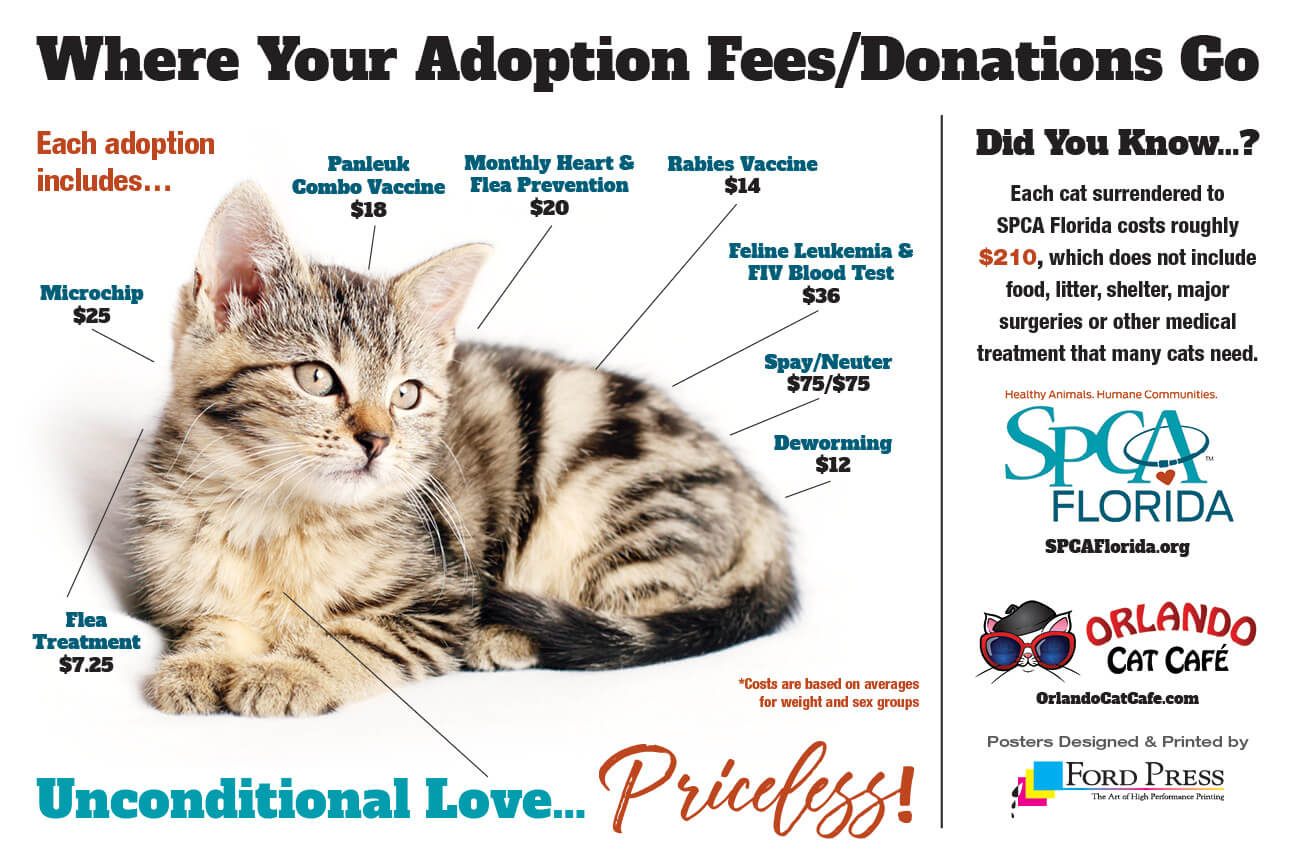
New guardians should budget for food, litter, routine check-ups, and occasional emergencies. Planning ahead prevents financial strain and ensures the cat receives consistent care from day one.
Time Investment
Cats need daily engagement—play, grooming, and simple companionship. Busy households must weigh whether they can reliably offer attention each day before committing to adoption.
Lifestyle Fit
Every cat has a unique personality. Some prefer quiet surroundings; others thrive in active homes. Honest self-assessment helps families select a pet whose temperament matches their own pace of life.
The Role of Shelters
Care and Rehoming
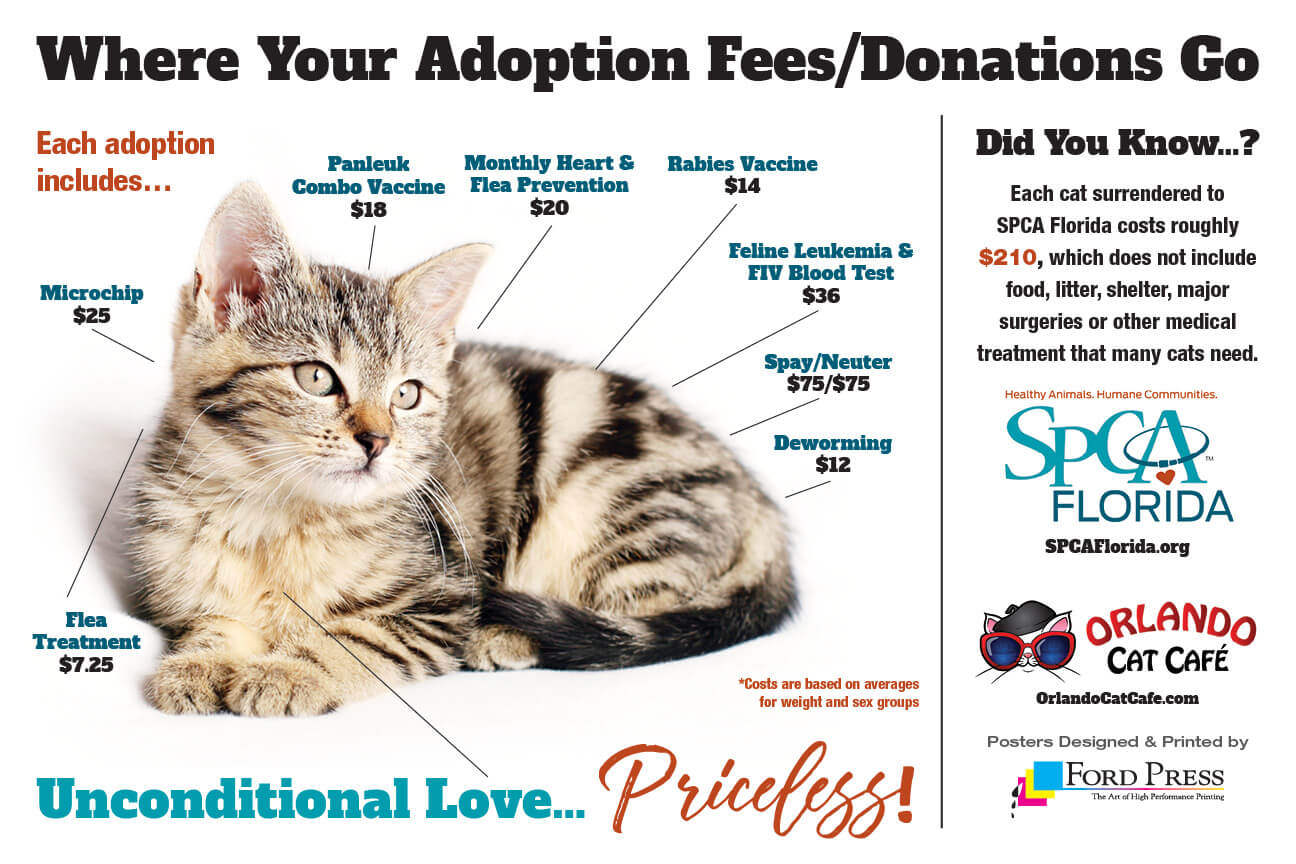
Rescue organizations provide temporary shelter, medical treatment, and socialization for cats in transition. Their matching process aims to pair each animal with guardians able to meet its specific needs.
Education and Outreach
Through workshops, social media, and local events, shelters share guidance on responsible ownership and the realities of pet care. These efforts reduce impulse decisions and increase lasting adoptions.
Conclusion
Adopting a cat is a meaningful step that helps ease overpopulation, supports humane values, and enriches human lives. While responsibilities exist, the everyday joys of feline friendship usually surpass the effort involved. By working together—shelters, communities, and new guardians—we foster a culture where every cat can enjoy a secure, loving home.
Suggestions and Future Inquiry

To keep improving adoption outcomes, consider the following:
1. Expand public education on responsible pet care and the merits of rescues.
2. Offer aid programs that lower initial costs for qualified adopters.
3. Encourage teamwork among shelters, veterinarians, and neighborhood groups to host adoption fairs and training clinics.
Areas worth further study include:
1. Long-term wellness trends in adopted cats and their owners.

2. Techniques that refine compatibility assessments between cats and families.
3. Economic benefits to local communities when adoption rates rise.
Pursuing these directions can strengthen adoption initiatives and secure brighter futures for cats and people alike.