
Best Food for Sheepadoodle: A Comprehensive Guide
Introduction
The Sheepadoodle, a charming mix of Sheepdog and Poodle, is loved for its friendly temperament and quick mind. To keep these dogs healthy and joyful for years, owners should choose meals that match their unique needs. This guide outlines balanced feeding choices and practical tips for every life stage.
Nutritional Requirements of Sheepadoodles
Like all dogs, Sheepadoodles thrive on a diet that supplies the right blend of protein, carbohydrates, fats, vitamins, and minerals. A balanced recipe supports strong muscles, a shiny coat, and steady energy throughout the day.
Proteins
High-quality animal or plant protein builds and repairs tissue. Look for named sources such as chicken, turkey, salmon, or lentils. Aim for roughly one quarter of daily calories to come from these sources, adjusting for activity level.
Carbohydrates
Complex carbs fuel playtime without sudden sugar spikes. Oats, brown rice, quinoa, and pumpkin digest slowly and add useful fiber for gut health.
Fats
Healthy fats provide concentrated energy and omega fatty acids that keep skin supple and coats glossy. Fish oil, flaxseed, and small amounts of coconut oil are excellent choices.
Vitamins and Minerals
A rainbow of vegetables and fruits—think spinach, blueberries, and carrots—delivers antioxidants, while balanced commercial foods supply calcium, phosphorus, and trace minerals essential for bones and immunity.
Best Food Options for Sheepadoodles
Wet Food
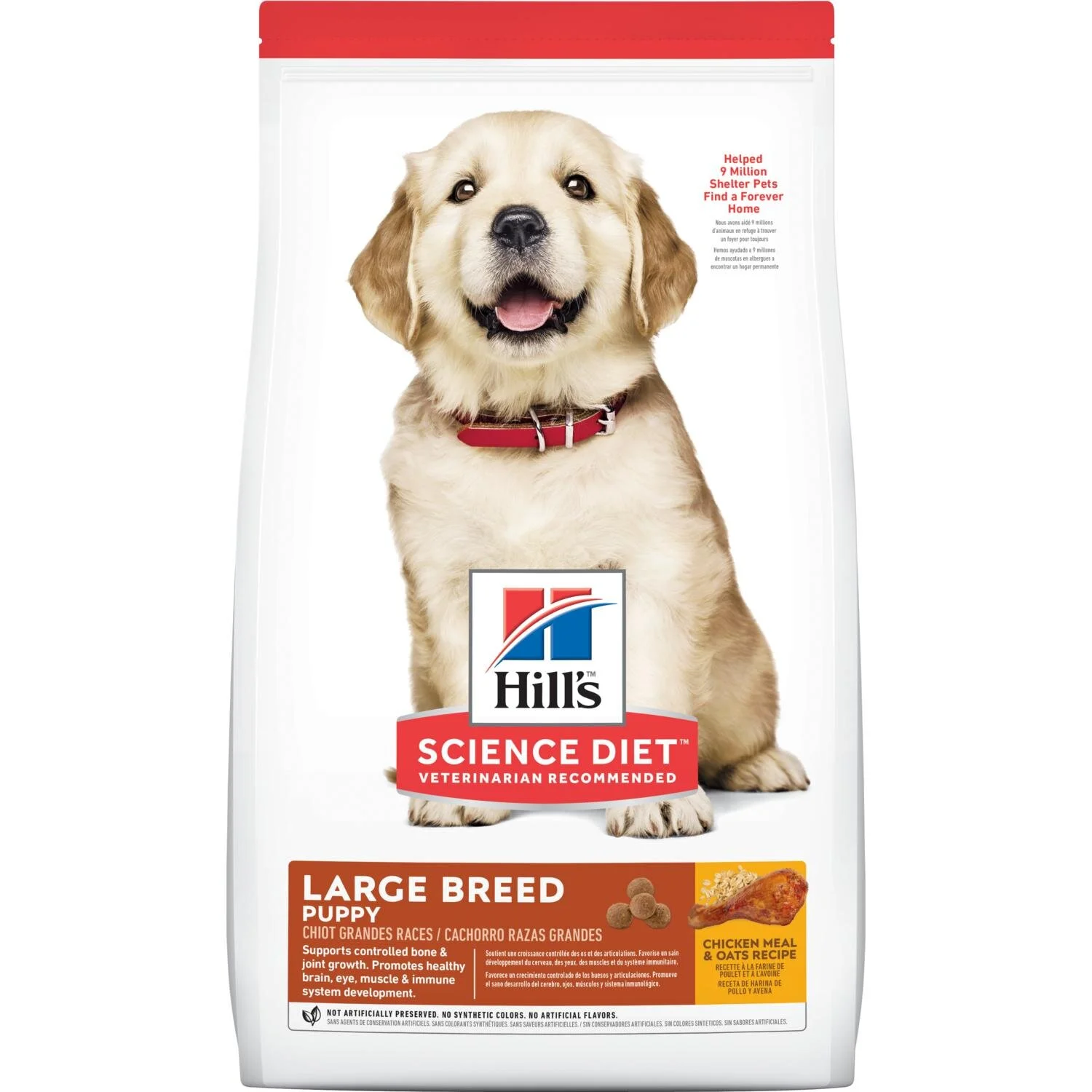
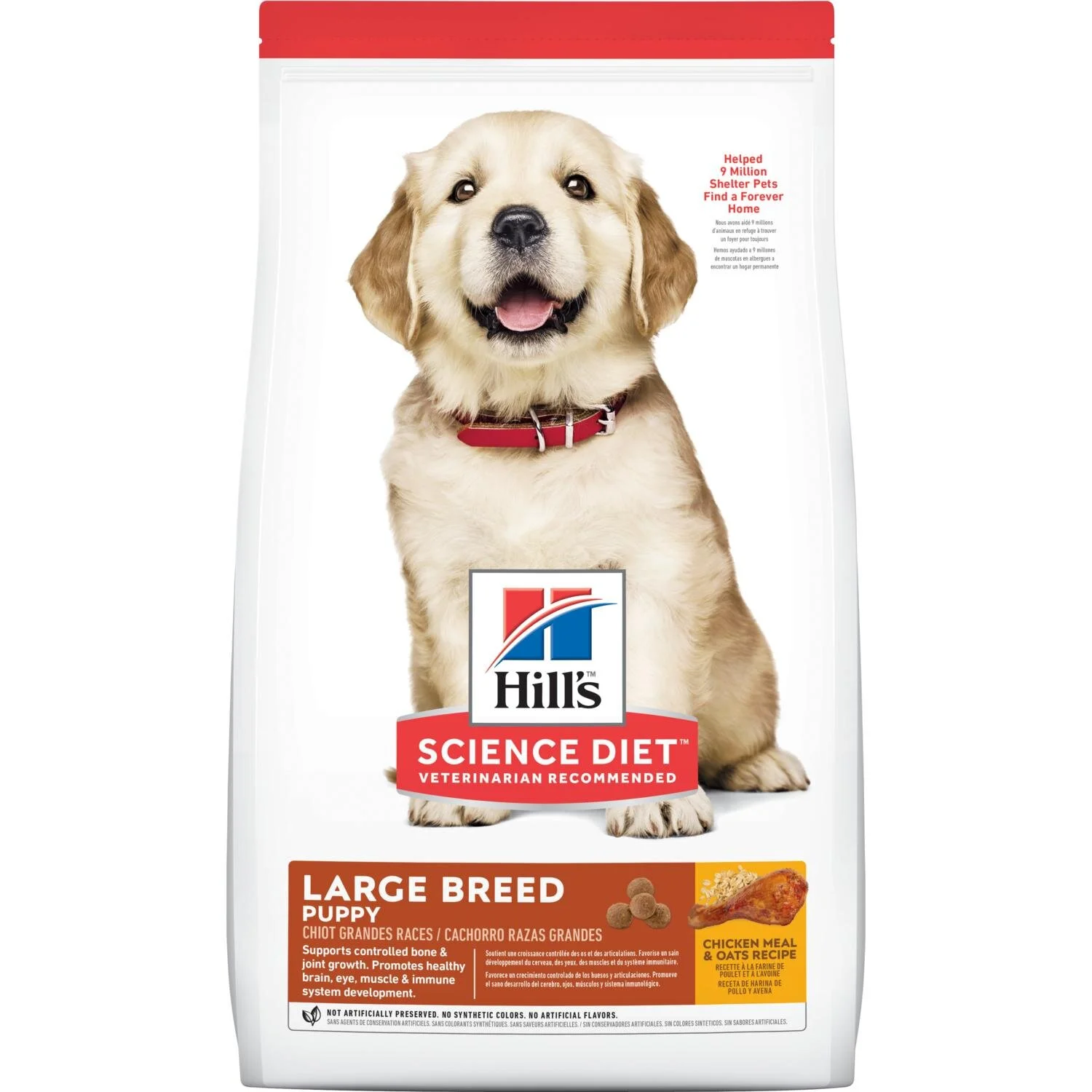
Canned recipes add moisture and entice picky eaters. Select products listing real meat first, free from artificial colors or excessive salt. Rotate flavors to prevent boredom.
Dry Food
Kibble is convenient and helps reduce tartar buildup. Choose grain-inclusive or grain-free formulas according to your dog’s tolerance, ensuring the first ingredients are quality proteins and whole produce.
Raw Food Diet
Some owners prepare raw meals of meat, edible bone, and organs. If you explore this route, work with a vet or certified nutritionist to balance calcium, phosphorus, and vitamins, and follow safe food-handling rules.
Homemade Diet
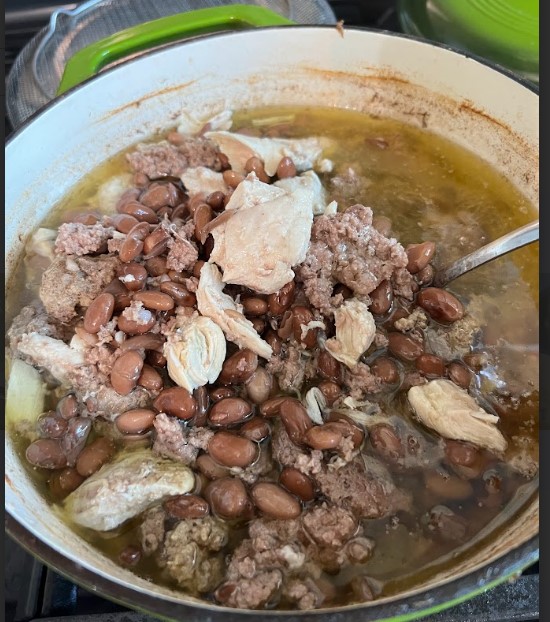
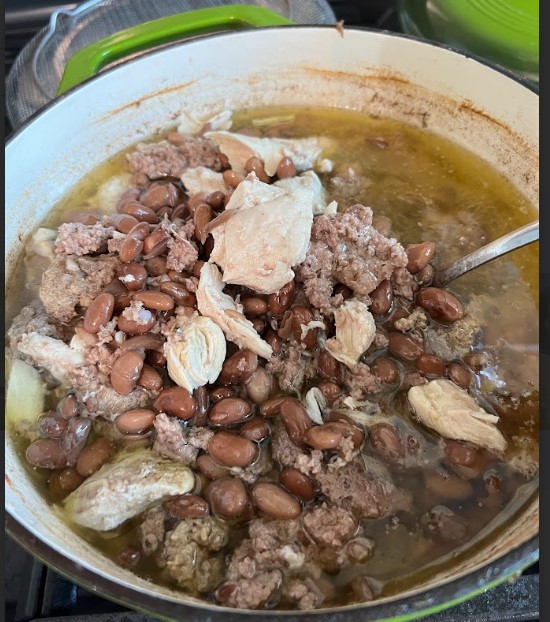
Cooking at home lets you control every ingredient. Use gentle preparation methods like steaming or baking, and add a vet-recommended supplement mix to prevent nutrient gaps.
Health Concerns and Special Dietary Needs
Allergies
Itchy skin or upset stomachs may signal food sensitivities. Conduct an elimination diet under veterinary guidance to pinpoint triggers, then switch to limited-ingredient or novel-protein recipes.
Obesity
Extra pounds stress joints and organs. Measure meals with a scale, limit treats to ten percent of daily calories, and offer brisk walks or active play sessions.
Special Diets for Senior Sheepadoodles
Older dogs often need fewer calories and more fiber for healthy digestion. Senior blends with added glucosamine and omega-3s support aging joints and cognitive health.
Conclusion

Providing thoughtful, balanced nutrition is one of the simplest ways to reward your Sheepadoodle’s loyalty. Combine quality ingredients, portion control, and regular vet checkups to promote a long, vibrant life.
Recommendations and Future Research
To keep meals optimal:
1. Schedule annual wellness visits to review body condition and dietary goals.
2. Rotate protein sources and textures—wet, dry, fresh—to encourage variety.
3. Track weight and energy levels, adjusting portions seasonally if activity changes.

4. Stay updated on canine nutrition studies through reputable veterinary journals.
Areas worth watching:
1. Long-term health outcomes of different feeding styles across mixed breeds.
2. Impact of specific omega fatty acid ratios on coat quality and joint comfort.
3. Emerging functional ingredients that may support digestion and immunity.
By combining current knowledge with ongoing learning, owners can tailor diets that help every Sheepadoodle thrive.