Terriers and Cats: A Comparative Study of Behavior and Interaction
Introduction
Sharing life with animals has long enriched human homes, and two of the most beloved choices are spirited terriers and self-possessed cats. This overview looks at how these contrasting companions behave, communicate, and relate to people, highlighting what makes each unique and how they sometimes get along under the same roof.
Terriers: A Brief Overview
Terriers form a lively canine family known for compact strength, keen alertness, and endless curiosity. Whether wiry-coated or smooth, they tend to be agile, confident, and always ready for action, traits that have made them favorites for owners who enjoy an animated, engaging pet.
Behavior Traits
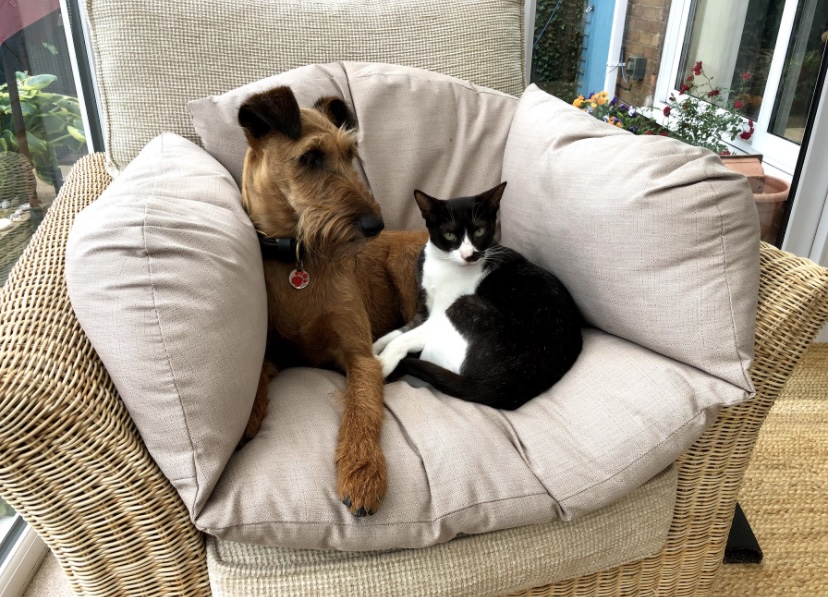
Most terriers carry a double dose of energy: they love to dig, chase, and explore. Their bold spirit can turn into stubbornness if guidance is inconsistent, yet the same intelligence that fuels their mischief makes them fast students when training is fun and reward-based. Daily play sessions and mental puzzles keep their busy minds satisfied.
Cats: A Brief Overview
Cats enchant with fluid movement, expressive eyes, and an air of quiet competence. From plush longhairs to sleek shorthairs, each individual balances independence with moments of affection, choosing when to seek attention and when to survey the world from a favorite perch.
Behavior Traits
A cat’s self-reliance is often mistaken for aloofness; in truth, most simply prefer to set their own schedule. Curiosity remains strong throughout life, driving them to investigate new scents, sights, and textures. Given choice, consistency, and respect, cats become affectionate, playful partners who adapt well to varied households.
Communication Styles
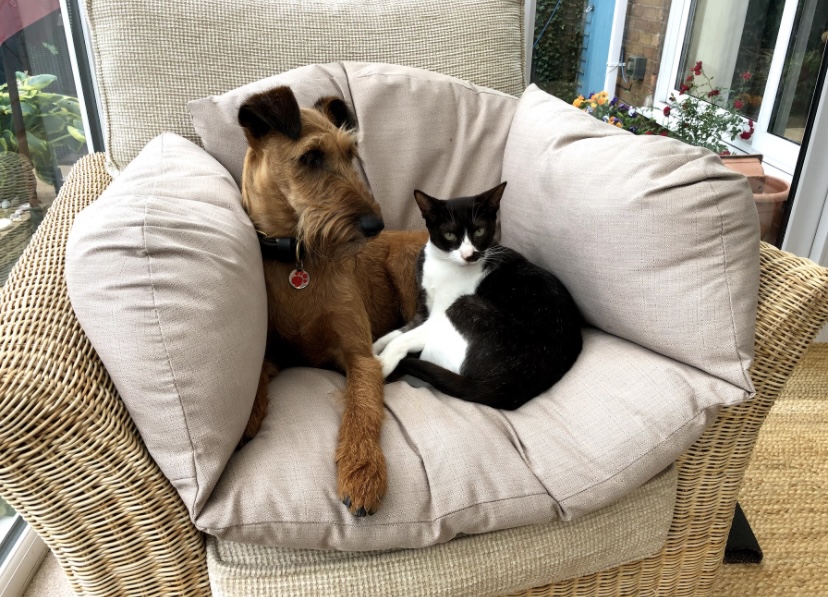
Terriers broadcast feelings openly: rapid barks for excitement, low growls for concern, exuberant tail strokes for joy. Cats rely on subtler signs—slow blinks, ear tilts, tail flicks—augmented by soft chirrups or warning hisses. Understanding both vocabularies helps prevent misunderstandings when the two species meet.
Interaction Dynamics
Outcomes range from mutual tolerance to genuine friendship. Success depends on personality, early experiences, and the way introductions are managed. A calm, scent-swap first meeting, followed by short supervised sessions, often paves the way for peaceful coexistence.
Terriers and Cats: A Harmonious Relationship
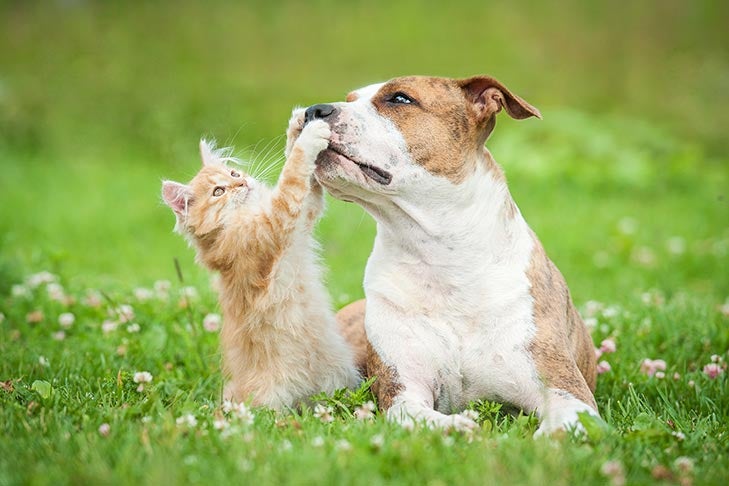
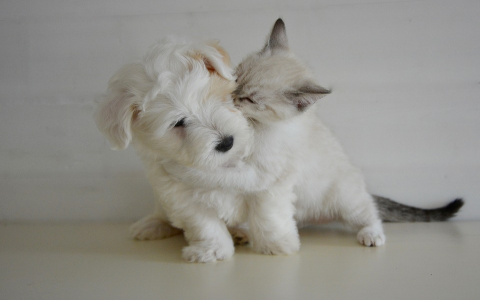
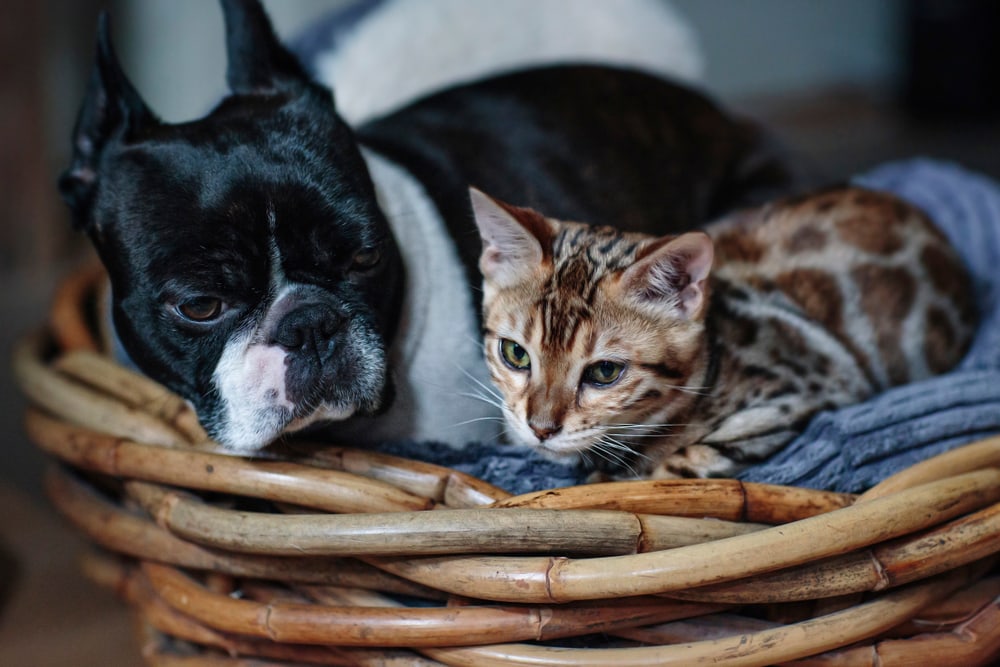
When a polite terrier encounters a confident cat, play can blossom: the dog offers lively invitations while the cat provides agile choreography. Shared games of chase-the-feather or bat-the-ball allow both to exercise natural instincts without conflict, especially when escape routes and high retreats are available for the feline.
Terriers and Cats: Challenges and Solutions
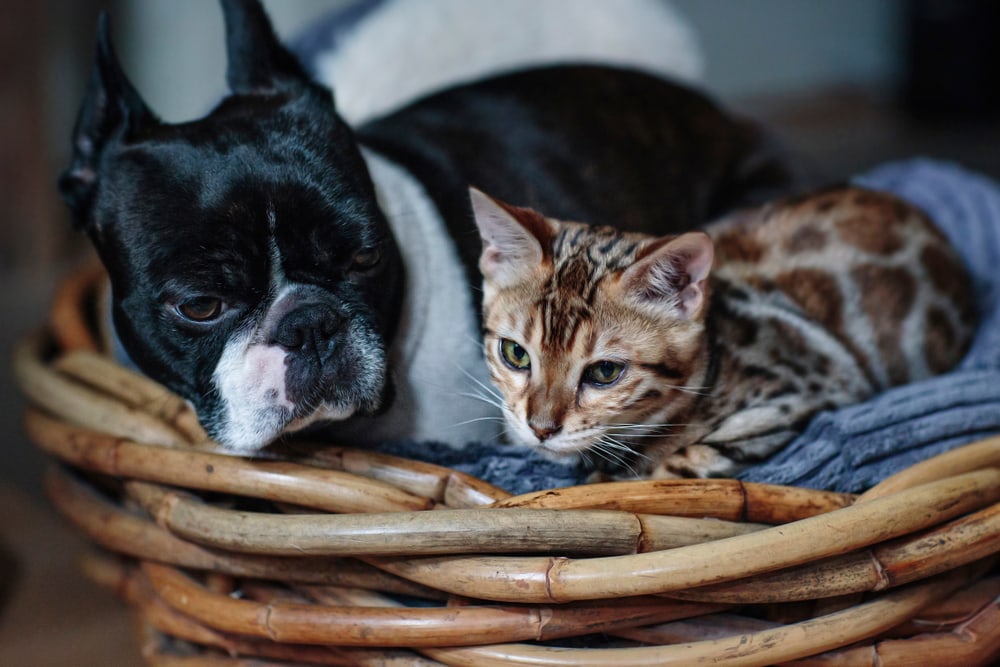
Problems usually arise from mismatched energy. A boisterous terrier may pursue too eagerly; a startled cat may swipe in defense. Gradual exposure, reward-based calm behavior, and separate safe zones reduce tension. Over time, most pairs settle into predictable routines once they learn each other’s signals.
Human Interaction
Owners set the emotional tone. Gentle consistency, timely praise, and clear boundaries teach both species what to expect. Providing individual feeding stations, litter privacy, and plenty of vertical space for cats, alongside structured walks and chew toys for terriers, keeps stress low and harmony high.
Conclusion
Terriers and cats bring different gifts to a home: exuberant loyalty and poised companionship. Recognizing their distinct needs and facilitating respectful introductions allows these contrasting personalities to share space peacefully, enriching daily life with a blend of zest and serenity.
Recommendations and Future Research
To deepen knowledge of multi-species households, studies could explore:
1. Long-term observations tracking how terrier-cat relationships evolve from first meeting to mature friendship.
2. Effects of home layout, noise levels, and available retreats on stress and affiliative behaviors.
3. Comparison of training techniques—clicker, scent swapping, gradual exposure—to identify best practices for smooth introductions.
4. Influence of human caregiving style, including timing of attention and predictability of routine, on interspecies bonding.
Continued inquiry will refine guidance for families, helping both spirited terriers and graceful cats lead balanced, contented lives together.