


The Impact of Enrichment Toys on Shelter Animal Welfare and Human-Animal Bonds
Introduction
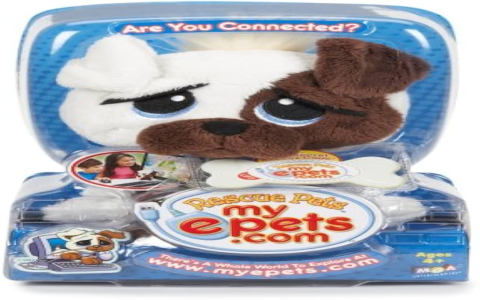
Enrichment toys designed for shelter animals have become a popular way to enhance daily life in adoption centers and temporary homes. These items offer mental stimulation, comfort, and a sense of predictability for animals adjusting to new surroundings. This article examines how such toys influence overall welfare and the quality of human-animal interactions.
The Role of Enrichment Toys in Animal Welfare
1.1 Providing Comfort and Security
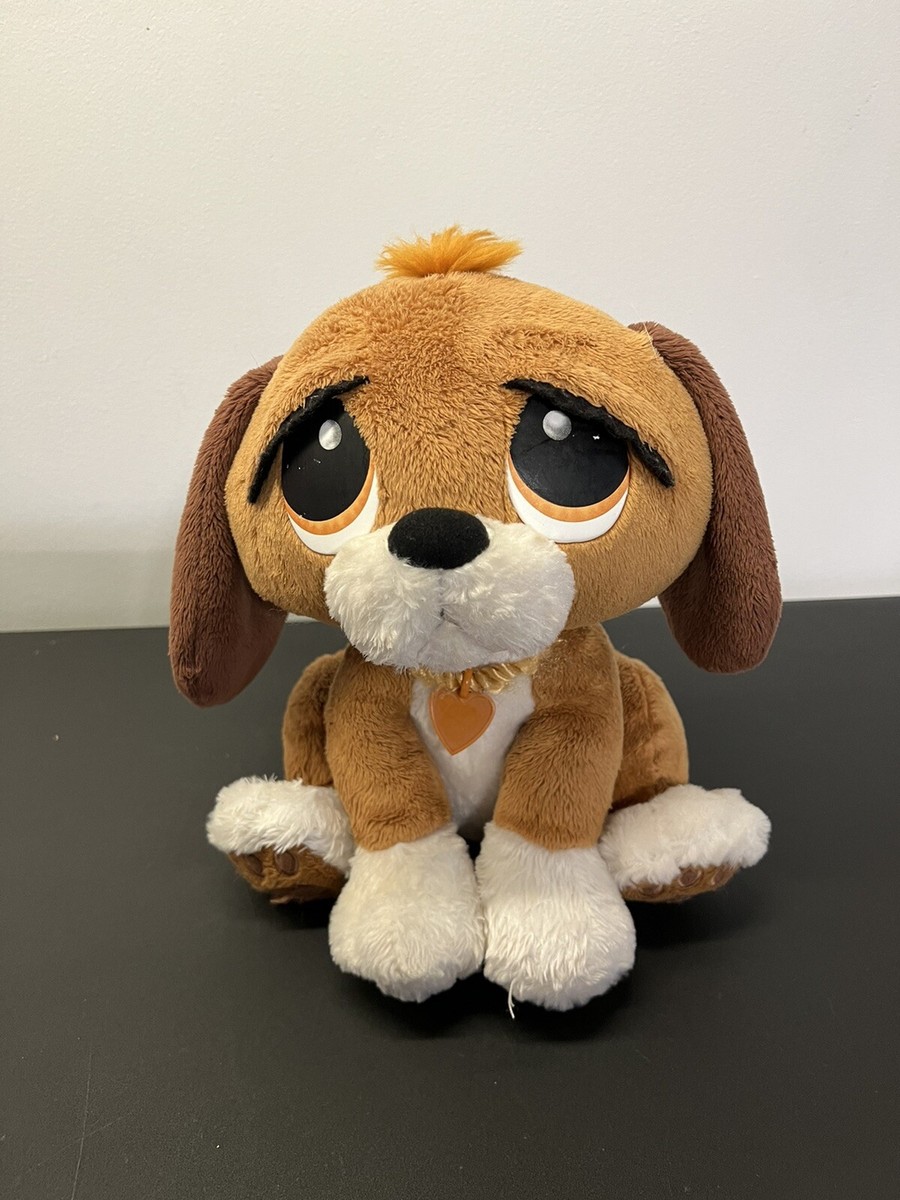
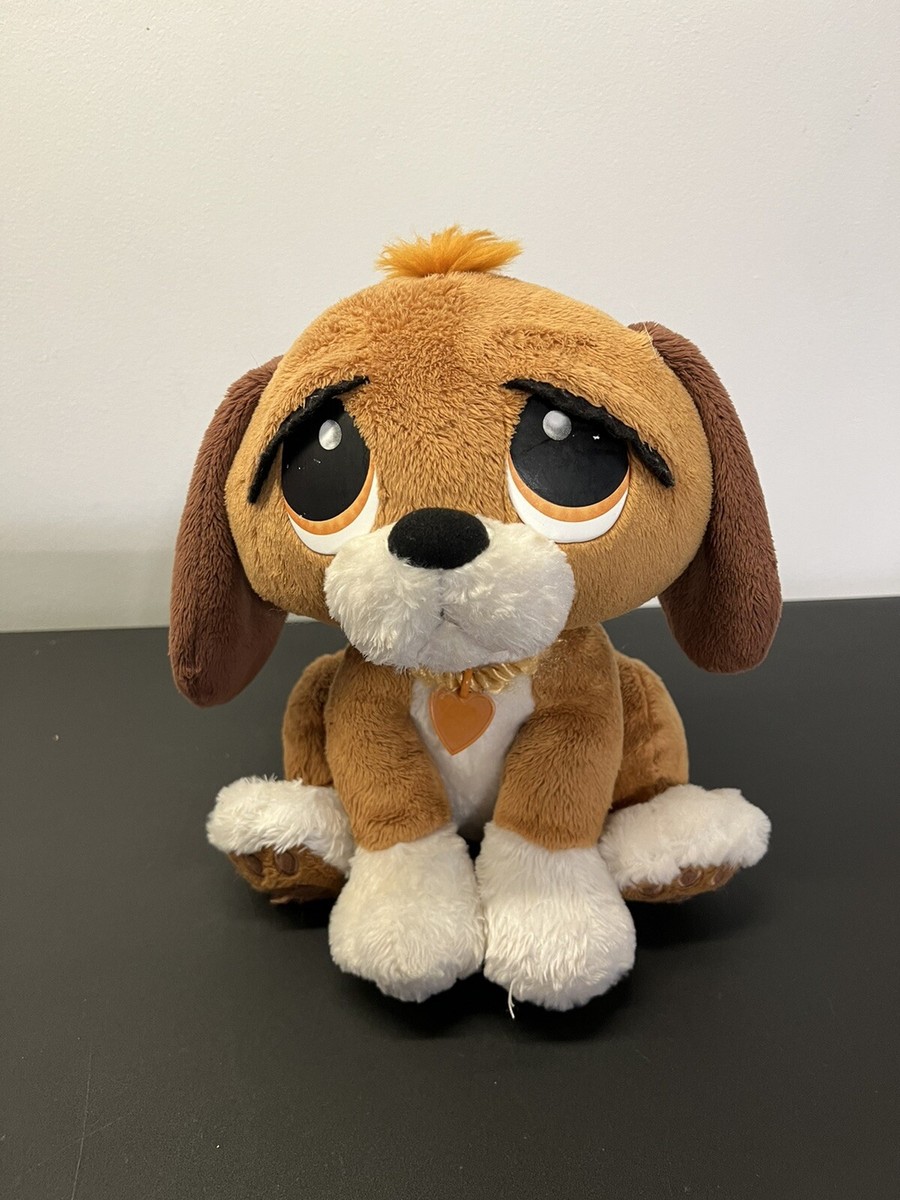
Many shelter animals arrive after stressful experiences. Soft, chewable, or heat-retaining toys can act as surrogate companions, lowering heart rate and encouraging relaxation. Observations indicate that animals with access to these items exhibit fewer stress-related behaviors.
1.2 Encouraging Physical Activity
Lightweight balls, tug ropes, and treat-dispensing puzzles invite movement, helping animals maintain muscle tone and healthy weight. Short, playful sessions also provide mental exercise, reducing repetitive pacing or barking born from boredom.
1.3 Facilitating Socialization
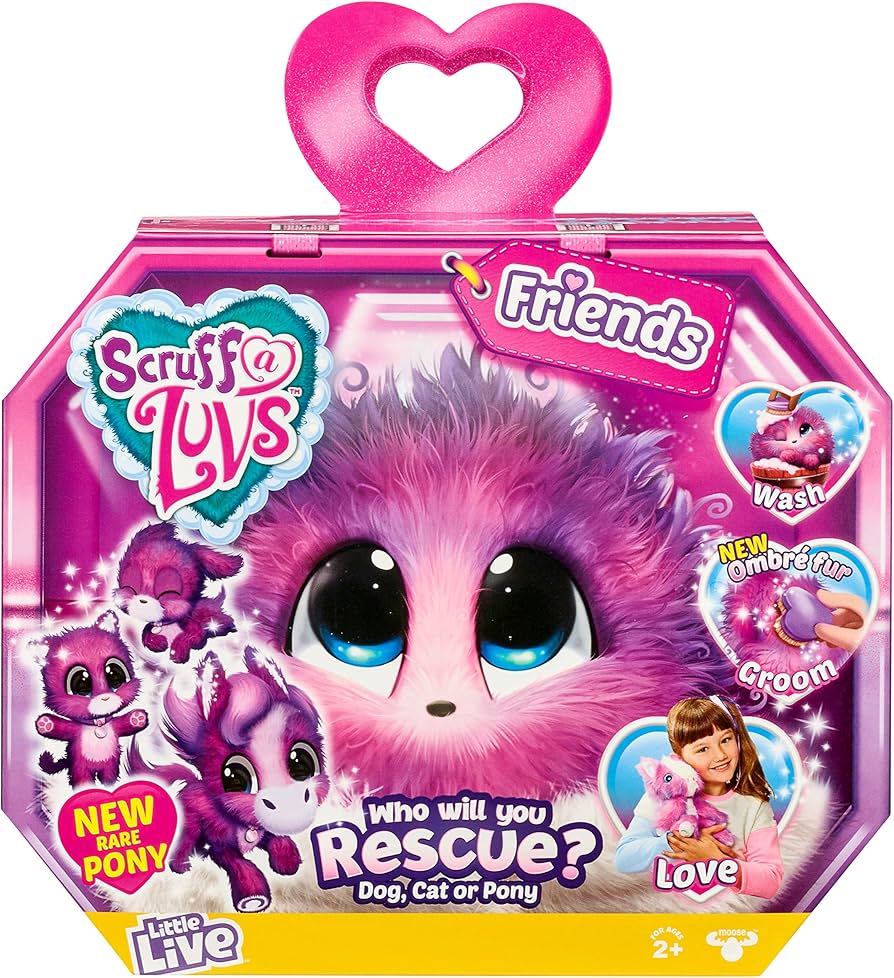
Toys that squeak, crinkle, or bounce unpredictably can spark curiosity and invite shared play between animals and caregivers. Positive play moments build trust, teaching shy pets that human hands bring fun rather than fear.
The Benefits of Enrichment Toys in Human-Animal Interaction
2.1 Strengthening the Bond Between Humans and Animals
Joint play sessions allow caregivers to learn individual preferences—whether a cat adores feather wands or a dog prefers textured balls. Recognizing these quirks deepens mutual understanding and accelerates adoption matches.
2.2 Promoting Empathy and Compassion
Watching a once-timid animal blossom through simple play often softens visitors’ hearts, encouraging respectful approaches and gentle handling among potential adopters and volunteers alike.
2.3 Educating the Public on Animal Welfare
Displaying information cards beside enrichment items demonstrates how play reduces kennel stress, subtly teaching visitors that mental health is as vital as food and shelter.
Challenges and Considerations
3.1 Selecting the Right Toys
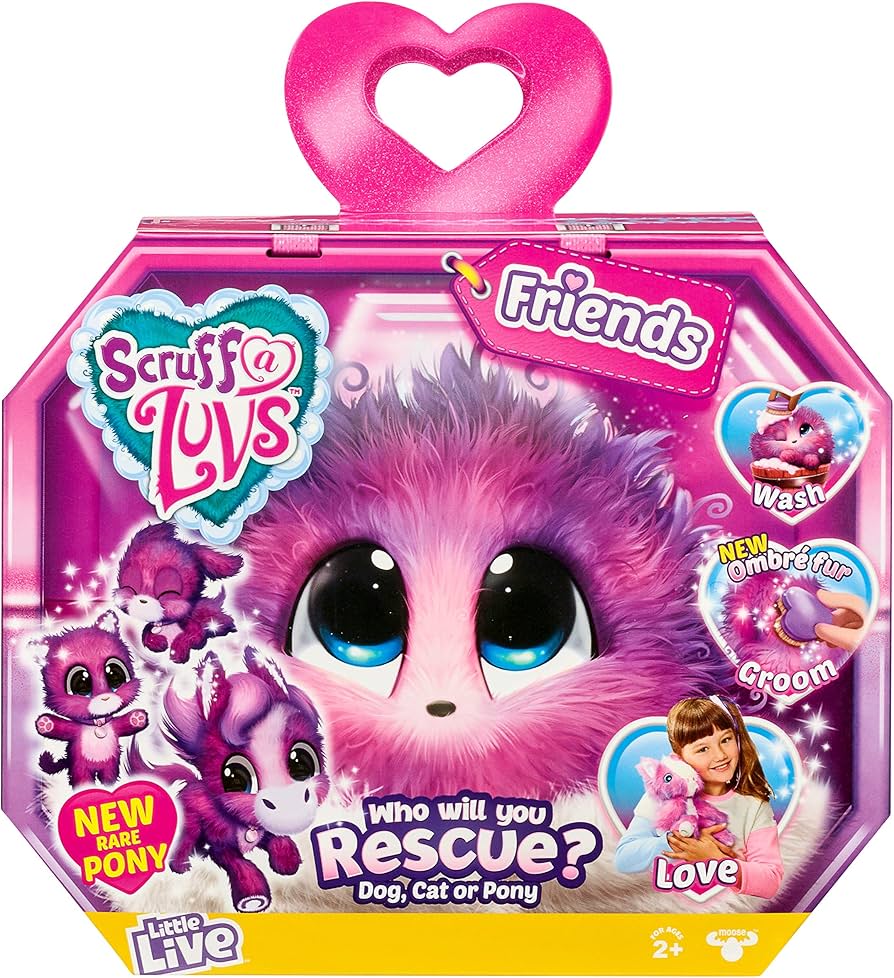
Durable, non-toxic materials sized to each animal’s jaw strength prevent accidental swallowing. Rotate items regularly to maintain novelty and inspect for wear and tear.
3.2 Ensuring Proper Use
Supervised play prevents over-excitement or resource guarding. Brief, positive sessions end on a high note, leaving the animal eager for the next interaction.
Conclusion
Well-chosen enrichment toys serve as inexpensive yet powerful tools that improve shelter life, encourage healthy exercise, and foster trusting relationships with people. When introduced thoughtfully, they ease transitions, speed up adoptions, and create happier, more adoptable animals.
Recommendations and Future Research
To maximize benefits, consider the following steps:
– Publish easy-to-follow tip sheets for staff and foster families on toy selection, hygiene, and rotation schedules.
– Track behavioral changes over time to identify which toy types best reduce anxiety for different breeds and ages.
– Partner with local businesses to sponsor sturdy, sanitizable toys, ensuring every kennel has appropriate enrichment.
Future studies could explore:
– Species-specific preferences, from rabbits to parrots, to broaden enrichment programs.
– The link between consistent toy access and post-adoption adjustment in new homes.
– Long-term effects on adoption retention when adopters continue recommended play routines.
By refining toy programs and sharing findings widely, shelters can further elevate animal welfare and strengthen the human-animal bond across communities.


