Title: The Enigma of Teacup Pigs: Where to Find Them and the Fascination They Hold
Introduction:
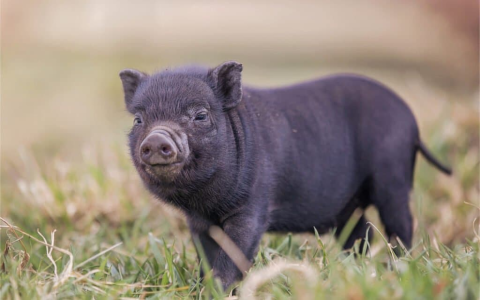
Teacup pigs have become a sensation in recent years, captivating animal lovers and pet enthusiasts around the globe. These miniature pigs, prized for their tiny stature and endearing personalities, have inspired a wave of curiosity. Yet locating one can feel like searching for a four-leaf clover. This article explores the mystery surrounding teacup pigs, touching on their background, traits, and the most reliable avenues for adoption or purchase, while highlighting why thoughtful, welfare-first choices matter.
Origins and Characteristics of Teacup Pigs
Teacup pigs—sometimes called micro-pigs—are domestic swine that have been selectively downsized through generations of careful breeding. Adults usually tip the scales at a modest range that allows them to be lifted comfortably, a far cry from their farmyard cousins. Their lineage traces back to smaller pig breeds originally kept as village companions in parts of Asia.
What makes them so appealing? First, their compact build suits apartment life better than a full-sized hog. Second, they are social, bright, and often form strong bonds with people. Finally, with a life expectancy that can stretch across two decades, they offer years of friendship for owners ready for the commitment.
Where to Find Teacup Pigs: Breeding Farms and Rescues
Because demand outstrips supply, tracking down a healthy teacup pig takes patience. Three main routes exist:
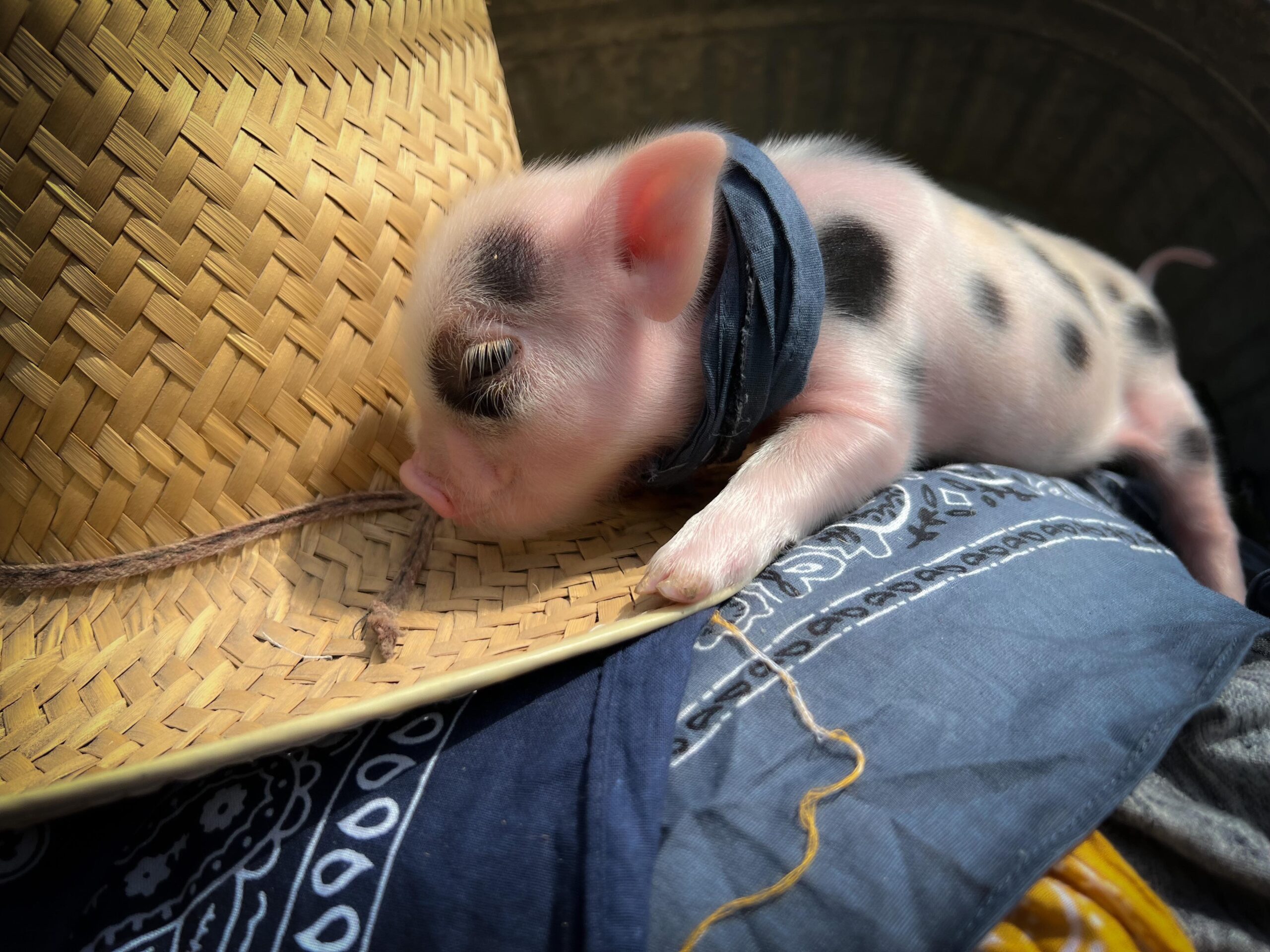
1. Licensed breeders: Reputable farms focus on health, early socialization, and transparent records. Prospective owners should visit premises, meet parent animals, and review veterinary paperwork before making a decision.
2. Rescues and sanctuaries: Pigs sometimes lose homes when owners underestimate their needs. Adoption from a rescue gives an animal a second chance and frees shelter space for others.
3. Online networks: Forums and adoption sites list pigs in need, but caution is essential. Verify references, request video calls, and never send payment before confirming the animal’s condition and the seller’s legitimacy.
The Importance of Responsible Breeding and Adoption
Surging interest has attracted profit-driven outfits that skirt welfare standards. Ethical breeders limit litter frequency, provide outdoor enrichment, and screen buyers for suitability. They also refuse to separate piglets too early—a practice that can lead to behavioral problems later.
Adoption, meanwhile, eases pressure on overcrowded sanctuaries and discourages impulse purchases. By choosing rehoming, guardians help break the cycle of abandonment and support organizations that rehabilitate neglected pigs.
The Challenges and Considerations of Owning a Teacup Pig
Despite their charm, these animals are not low-maintenance. They root, chew, and can rearrange furniture with surprising strength. A secure yard or dedicated indoor space with plenty of enrichment is vital. Daily exercise and portion-controlled diets prevent weight gain and joint strain.
Owners should also budget for specialist vet care—many clinics do not treat pigs—and be ready for a pet that may outlive several canine companions. Researching local zoning laws is equally important, as some cities restrict pig ownership.
Conclusion
Teacup pigs enchant with their size and smarts, but bringing one home demands more than a fondness for cute photos. By learning about their needs, choosing ethical sources, and preparing for the long haul, would-be guardians can turn fascination into a fulfilling, responsible partnership. As interest keeps growing, spreading accurate information ensures these little pigs receive the care, respect, and lifelong homes they deserve.
In the end, the true enigma is not the pigs themselves but the human commitment required to keep them happy. With education and empathy, the mystery dissolves, leaving a rewarding friendship that lasts for years.