



Understanding the Concept of Cat vs Dog Years
Introduction
The idea that cats and dogs age at different speeds has long intrigued pet lovers. By translating their lifespans into “human” terms, owners gain a clearer picture of where their companions stand in life’s timeline. This article explores why feline and canine aging differ, which factors shape the pace, and how the numbers are commonly calculated.
What are Cat vs Dog Years?
Definition and Concept
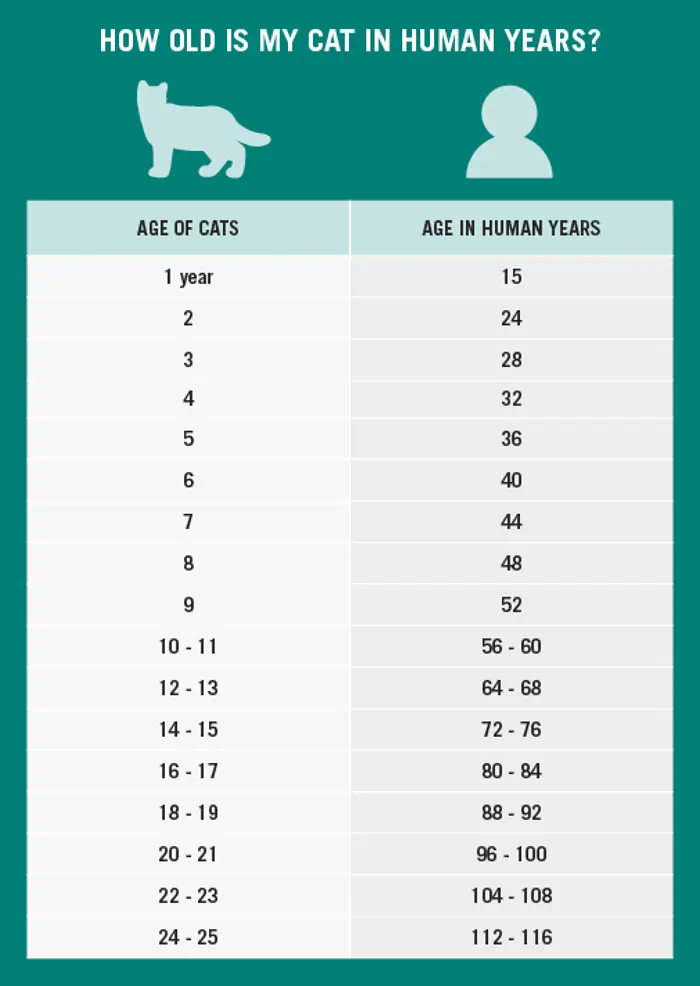
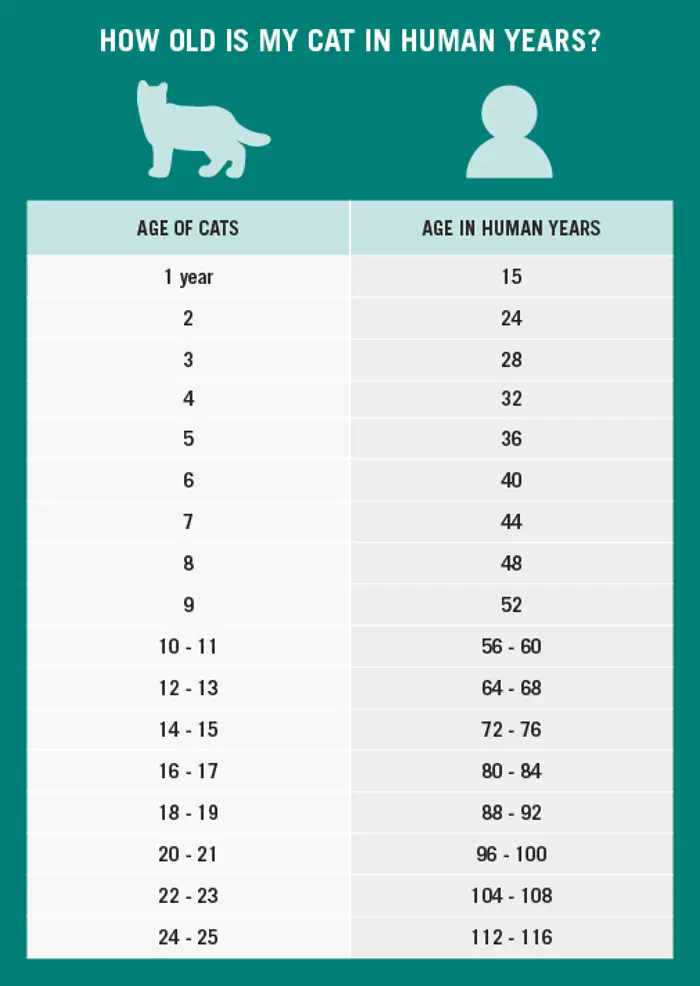
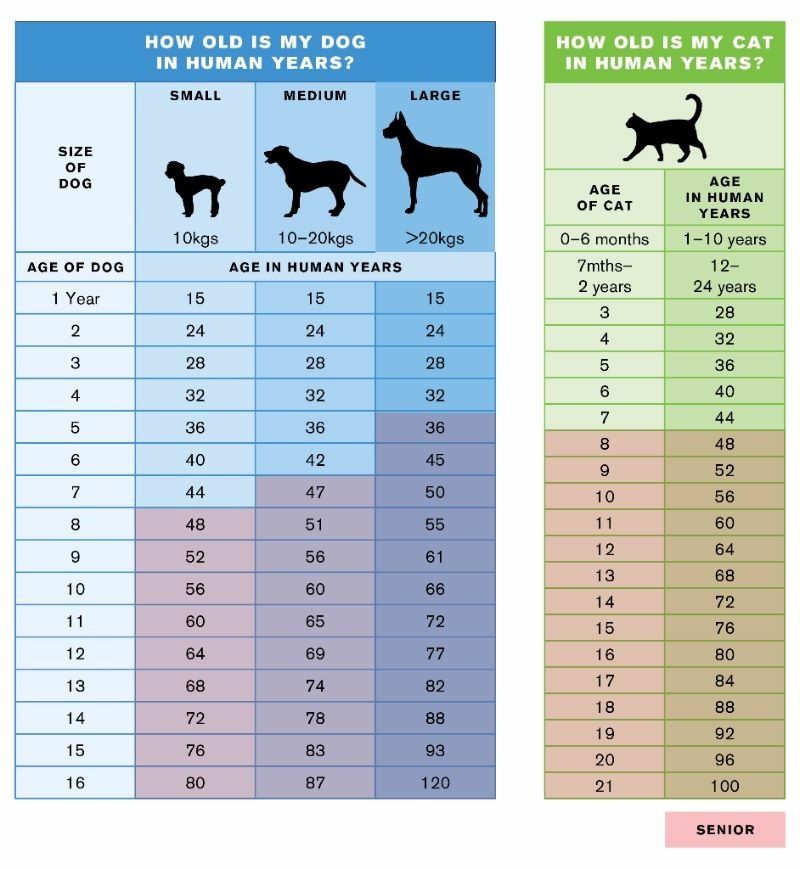
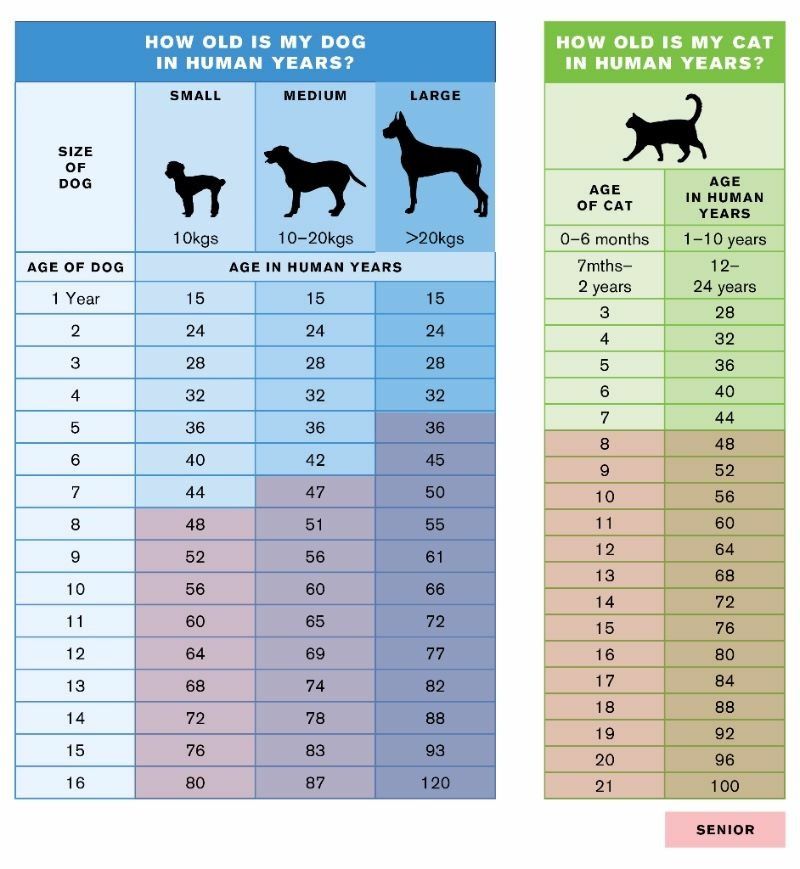
“Cat years” and “dog years” are shorthand ways to express a pet’s biological age relative to people. A frequent rule of thumb equates the first twelve months of a cat’s life to about fifteen human years, with later years slowing to roughly four human years each. Dogs, owing to size and breed diversity, follow a more varied curve: small breeds mature more slowly than giants, so one calendar year can equal anywhere from five to nine human years depending on the dog.
Factors Influencing Aging
Several variables decide how quickly whiskers turn gray:
1. Genetics: Inherited DNA sets baseline longevity. Some family lines are simply hard-wired for more birthdays.
2. Lifestyle: Daily activity, stress levels, and mental stimulation all leave biological footprints. Indoor routines with predictable enrichment often correlate with steadier aging.
3. Environment: Safe, climate-controlled homes spare pets from traffic, harsh weather, and infectious hazards, stretching average lifespans.
The Science Behind Cat vs Dog Years
Biological Differences
Beyond daily routines, internal biology writes the aging script:
1. Cellular Aging: Feline cells appear to maintain chromosome-protecting telomeres longer, slowing the cellular clock.
2. Metabolism: Cats burn energy at a lower resting rate, reducing cumulative oxidative stress that speeds aging.
3. Immune Function: Robust feline immunity helps clear rogue cells early, postponing age-related illness compared with some canine breeds.
Real-Life Examples and Studies
Case Studies
Large veterinary databases show consistent trends: indoor cats frequently reach the late teens, while dogs’ life expectancies split along size lines—smaller dogs often enjoy mid-teens, larger dogs closer to a decade. These observations align with surveys noting that controlled diets, preventive care, and enriched environments add measurable years to both species.
Conclusion
Cats and dogs tick to different biological clocks shaped by genes, care, and surroundings. Translating their ages into human terms is less about perfect math and more about appreciating the unique needs each life stage brings.
Recommendations and Future Research
Recommendations
Help pets stay youthful longer by:
1. Offering balanced, portion-controlled meals tailored to species and size.
2. Scheduling daily play or walks to maintain lean muscle and joint health.
3. Booking routine vet visits to catch brewing issues before they escalate.
Future Research
Scientists still hope to:
1. Pinpoint gene variants that slow or accelerate aging across breeds.
2. Measure how indoor enrichment, diet rotation, and social interaction extend healthy years.
3. Translate findings into practical guidelines that add more quality time to every wag and purr.
By learning what drives cat and dog years, owners can tailor care to the actual tempo of their pet’s life, ensuring each chapter is as comfortable and joyful as possible.


