Title: Free-to-Home Dogs: A Thoughtful Overview
Introduction:
Each year, countless dogs find themselves without a stable home, stretching shelters and rescue networks around the world. This article explores the practice of waiving adoption fees for these animals, weighing the advantages, risks, and practical considerations involved. By reviewing multiple viewpoints, the goal is to offer a balanced picture of how no-fee placements can affect dogs, adopters, and communities.
Understanding Homeless Dogs
Homeless dogs are animals whose owners can no longer keep them or who are found stray. They usually enter shelter systems that operate under tight space and budget limits, making adoption a critical lifeline. Common reasons for relinquishment include housing changes, economic hardship, or unrealistic expectations about the time and care a pet requires.
The Idea of Fee-Waived Adoptions
Removing the price tag on adoption is increasingly promoted as one tool to ease shelter crowding. When organizations cover the initial cost, new owners gain instant access to a vaccinated, micro-chipped, and spayed or neutered companion, while the shelter frees up kennel space and resources for incoming animals.
Benefits of Fee-Waived Adoptions
1. Easing Shelter Capacity: Free adoption events can move animals into homes quickly, lowering daily care expenses and reducing euthanasia tied to space constraints.

2. Encouraging Humane Choices: By lowering financial barriers, shelters invite a wider pool of potential adopters, helping more dogs avoid long-term kenneling or street life.
3. Human Well-Being: Studies link pet companionship with lower stress, increased exercise, and greater social interaction. Fee-waived programs extend these benefits to individuals who otherwise could not afford an adoption fee.
Challenges and Concerns
1. Impulse Decisions: Critics worry that a zero fee might tempt some people to adopt without fully grasping the long-term commitment, possibly leading to future surrenders.
2. Ongoing Costs: Food, routine vet care, training, and emergencies remain the adopter’s responsibility. New owners who underestimate these expenses may struggle to provide adequate care.
3. Perceived Quality: Some fear that fee-waived events spotlight dogs with medical or behavioral issues. Yet many shelters screen animals thoroughly and provide post-adoption support to set families up for success.
Case Studies and Success Stories
Across continents, periodic “Clear the Shelter” drives have placed record numbers of pets within days, proving that no-fee promotions can spark community-wide adoption momentum. Follow-up surveys from several participating shelters show return rates comparable to standard-fee adoptions when counseling and support accompany the event.

Smaller rescue groups have reported similar outcomes by partnering with local businesses to sponsor adoption fees, demonstrating that creative collaboration can sustain the model without straining budgets.
Conclusion
Waiving adoption fees is not a cure-all, but it can be a powerful component of a broader strategy to save lives and strengthen the human-animal bond. When paired with education, veterinary support, and careful matching, free-to-home programs help move dogs from kennels to couches while maintaining responsible ownership standards.
Recommendations and Future Research
1. Education First: Require pre-adoption counseling or provide starter guides on training, nutrition, and medical care to reduce impulsive placements.
2. Post-Adoption Support: Offer hotlines, discounted vet clinics, or training workshops so new owners can handle challenges without considering surrender.
3. Data Sharing: Encourage shelters to track long-term outcomes—such as retention, vet visits, and behavioral satisfaction—to refine fee-waived policies and demonstrate impact.
Continued study into the emotional and economic effects of fee-waived adoptions will guide best practices, ensuring that both people and pets reap lasting rewards from these compassionate initiatives.
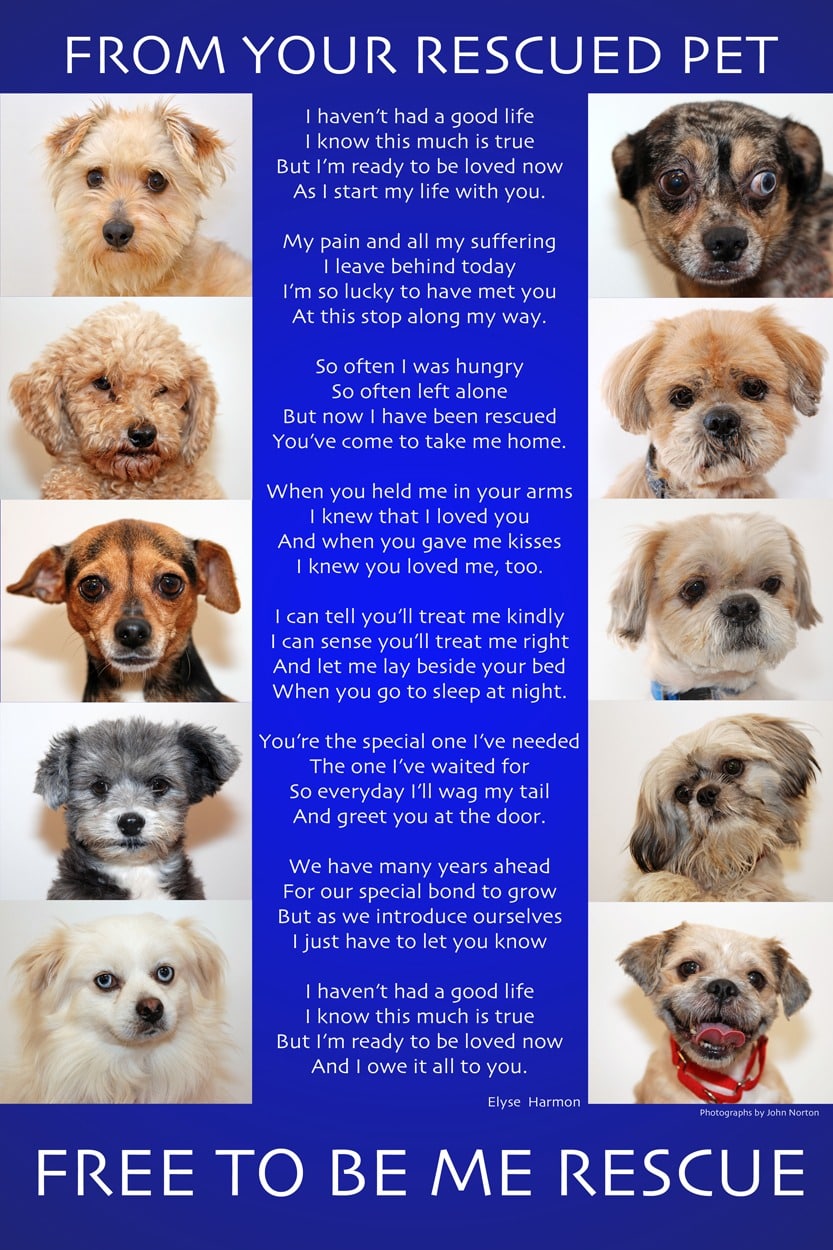
In the end, removing the upfront price can open doors for dogs in need and for families ready to share their hearts and homes. With thoughtful safeguards, this approach contributes to a future where every dog has a safe, loving place to belong.