



Local Puppy Retailers: A Balanced Overview
Introduction
The companion-animal sector keeps expanding, and neighborhood pet shops remain a familiar stop for food, toys, and, in many cases, puppies. The decision to sell dogs on site continues to divide opinion, so this overview weighs the practical advantages against the common criticisms and considers ways to raise standards for everyone involved—especially the dogs.
The Benefits of Buying a Puppy from a Neighborhood Store
Convenience
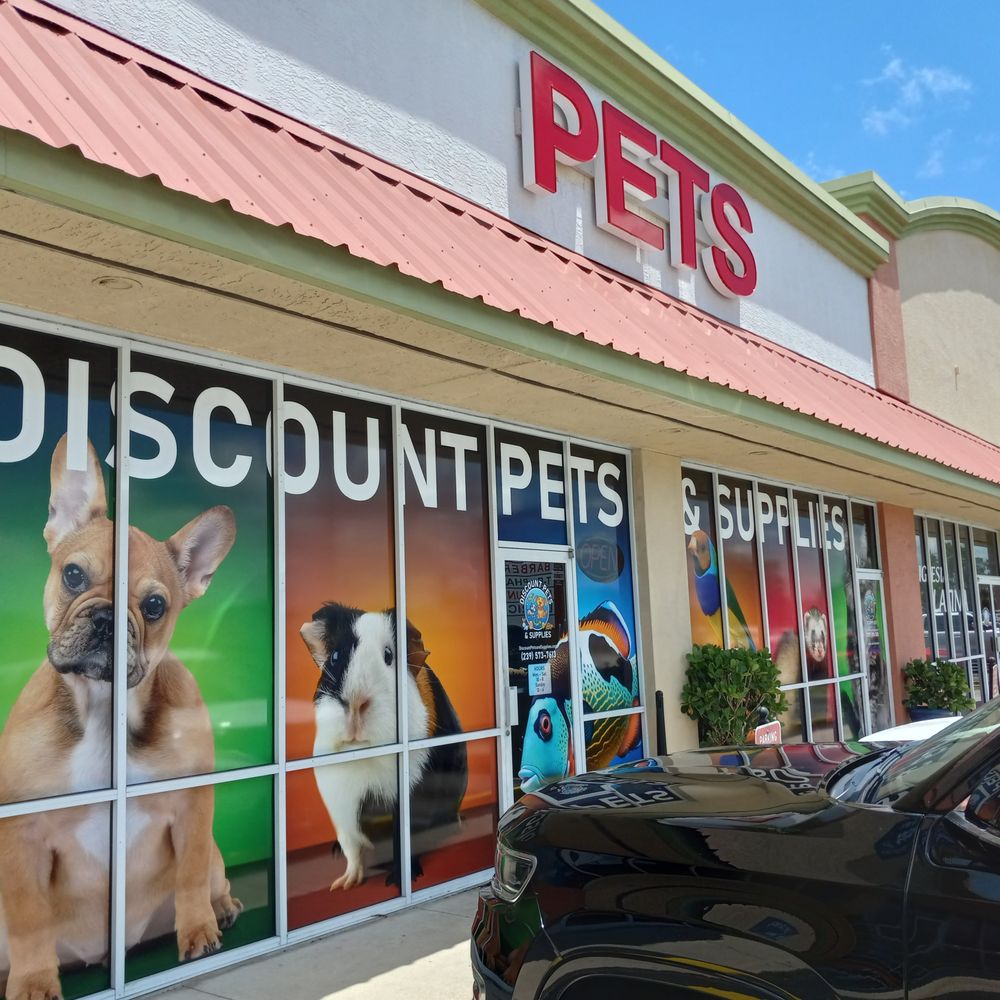
Shops situated in town centers or shopping plazas let prospective owners meet several puppies in one visit, compare breeds, and leave with food, bedding, and guidance all in a single trip. For people without transport or flexible schedules, this accessibility can jump-start responsible ownership sooner than waiting for distant appointments.
Breed Choice
Retailers often coordinate with a network of breeders, meaning a wider selection of sizes, coat types, and energy levels on any given day. Families with allergies, space limits, or activity preferences can therefore identify a likely match without contacting dozens of separate breeders.
On-site Guidance
Well-trained staff can demonstrate starter equipment, outline feeding schedules, and recommend local trainers or veterinarians. First-time owners especially value having a clear roadmap from day one, reducing early mistakes that might otherwise land a puppy in a shelter later.
The Main Criticisms of Store-front Puppy Sales
Welfare Questions
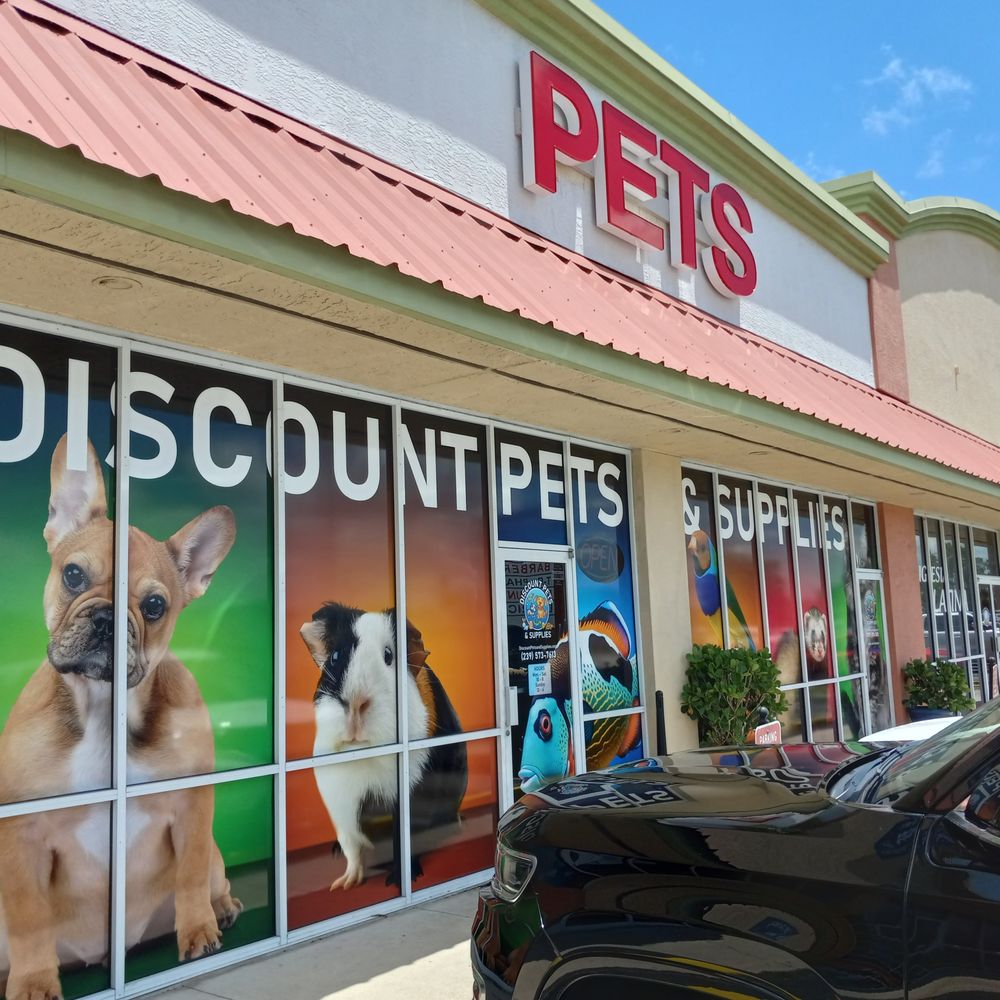
The biggest worry is origin: some suppliers rely on high-volume kennels that keep breeding females in crowded conditions. Puppies raised in such places can carry parasites, genetic disorders, or anxiety-related behaviors that surface weeks after purchase.
Incomplete Health Checks
Even when a store provides a basic veterinary inspection, the exam may not screen for hereditary diseases common to specific breeds. Buyers can therefore face unexpected medical bills, and the store’s reputation suffers when treatable issues are missed.
Impact on Shelter Populations
Every puppy sold through a shop represents one less home for a shelter dog. When impulse purchases end in relinquishment, municipal shelters absorb the overflow, stretching resources and, in extreme cases, leading to higher euthanasia rates.
Ways to Improve the Model
Transparent Sourcing
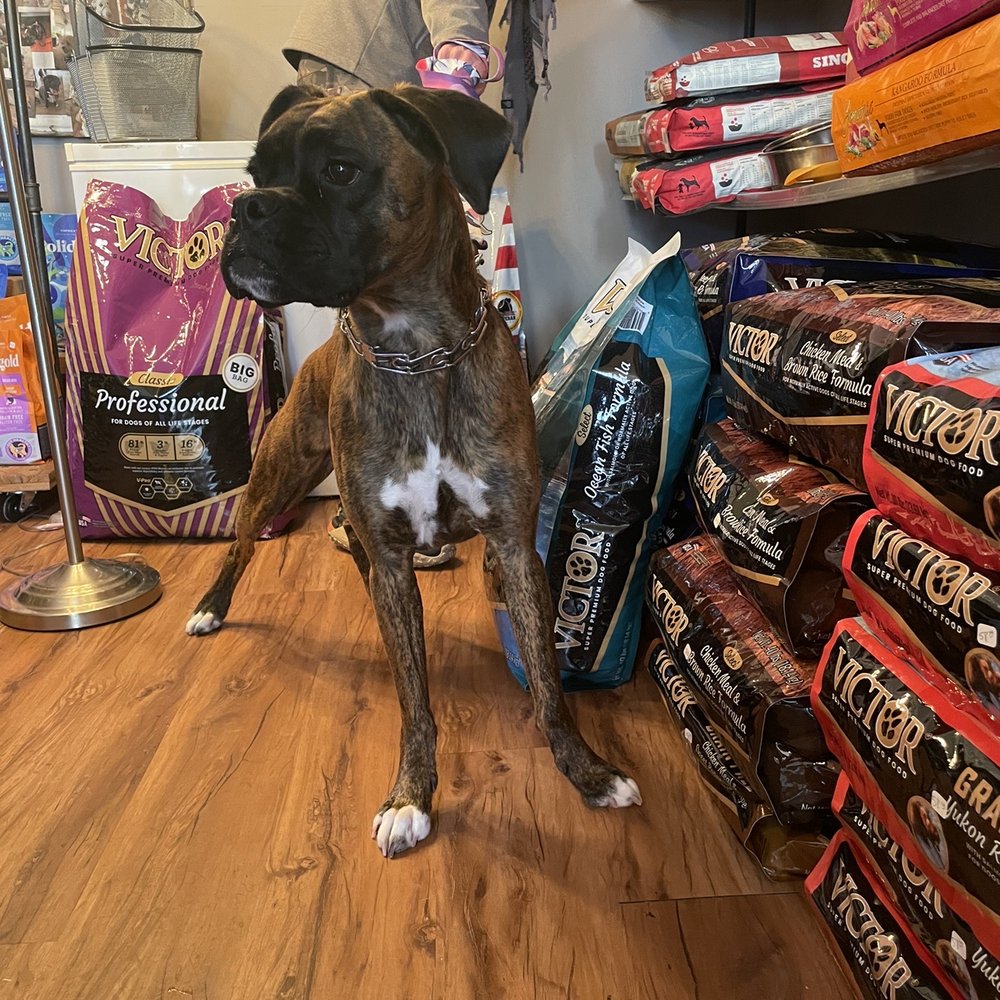
Stores can publish breeder inspection reports, visit records, and photos of living conditions. Partnering only with small-scale breeders who exceed national welfare guidelines shifts the business away from volume-driven suppliers.
Rigorous Health Protocols
A standardized package—genetic screening, age-appropriate vaccinations, deworming, and a 30-day health warranty—protects buyers and dogs alike. Publishing the results on each kennel card gives shoppers facts, not promises.
In-store Adoption Events
Setting aside floor space for weekend adoption drives lets shelters showcase older dogs, mixed breeds, and adolescents often overlooked online. Customers still enjoy one-stop convenience, while the store earns goodwill and foot traffic without adding to puppy demand.
Conclusion
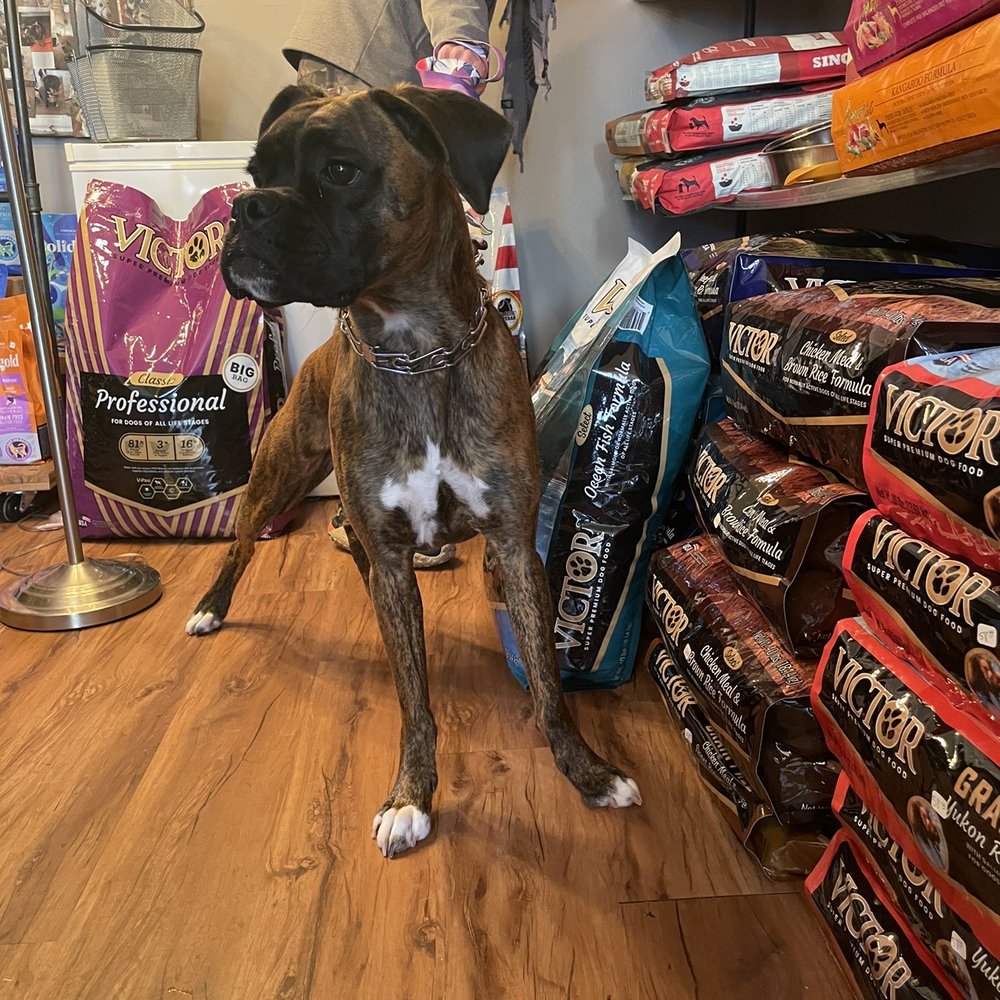
Neighborhood pet stores can still play a positive role in matching people with puppies, but only if they confront legitimate welfare, health, and overpopulation concerns. By insisting on transparent sourcing, thorough medical screening, and active promotion of shelter adoption, retailers can keep the convenience customers love while earning community trust and, most importantly, safeguarding canine welfare.


