
Husky Mixed-Breed Companion: A Friendly Guide
Introduction
The Husky Mixed-Breed Companion—often simply called a Husky mix—has become a favorite among dog lovers who value eye-catching looks, lively energy, and adaptable nature. By blending the classic Siberian Husky with another breed, these dogs offer a delightful balance of beauty and resilience. This overview explores their background, appearance, personality, common health points, and everyday care so you can decide whether one of these spirited dogs fits your lifestyle.
Background and Development
Planned crossings between Siberian Huskies and other purebreds began several decades ago, driven by a desire to keep the Husky’s appealing coat and sociable attitude while adding new strengths such as size variety or coat types suited to warmer climates. Over time, these pairings produced a versatile family dog that thrives in many homes, from city apartments to country farms.
Appearance
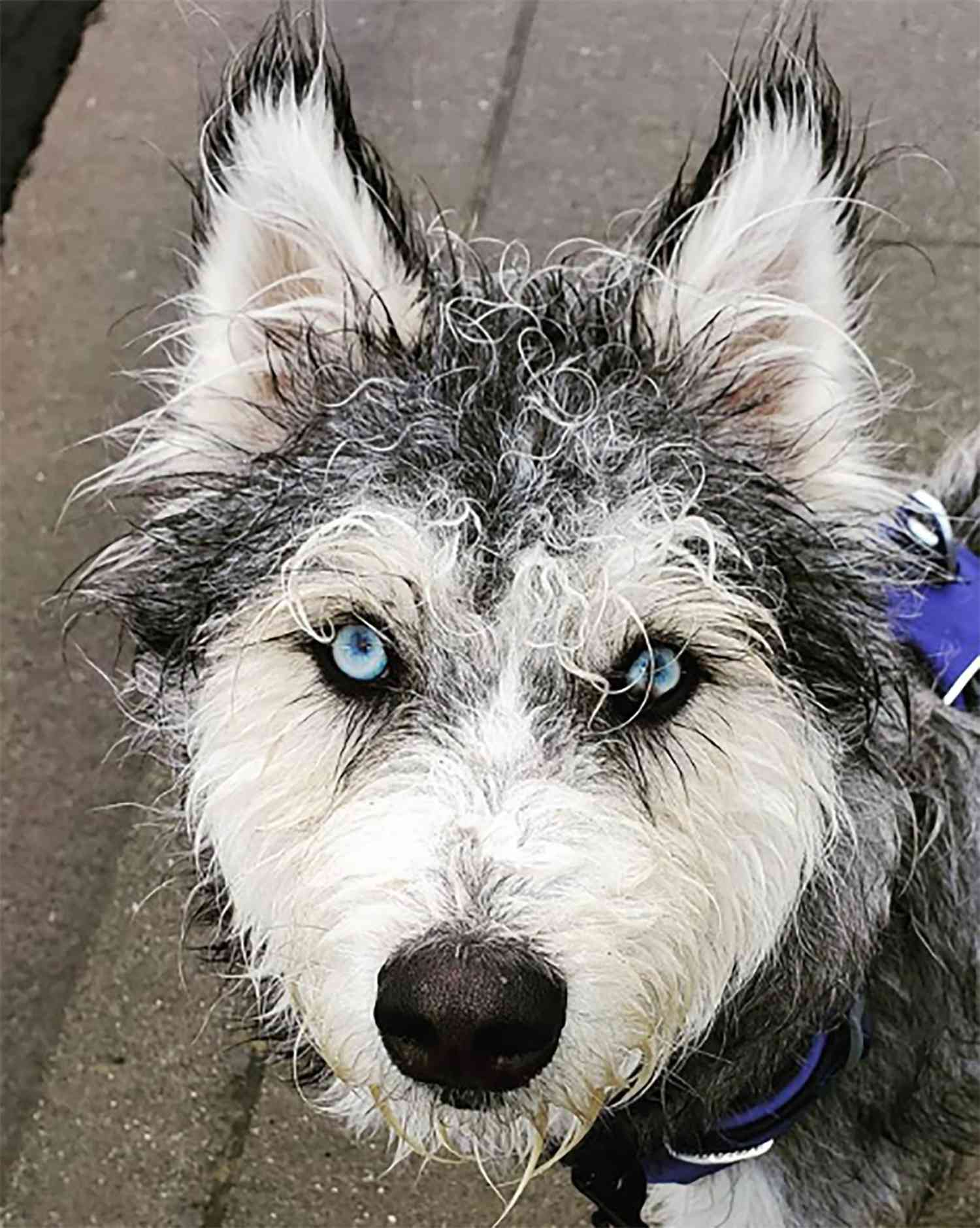
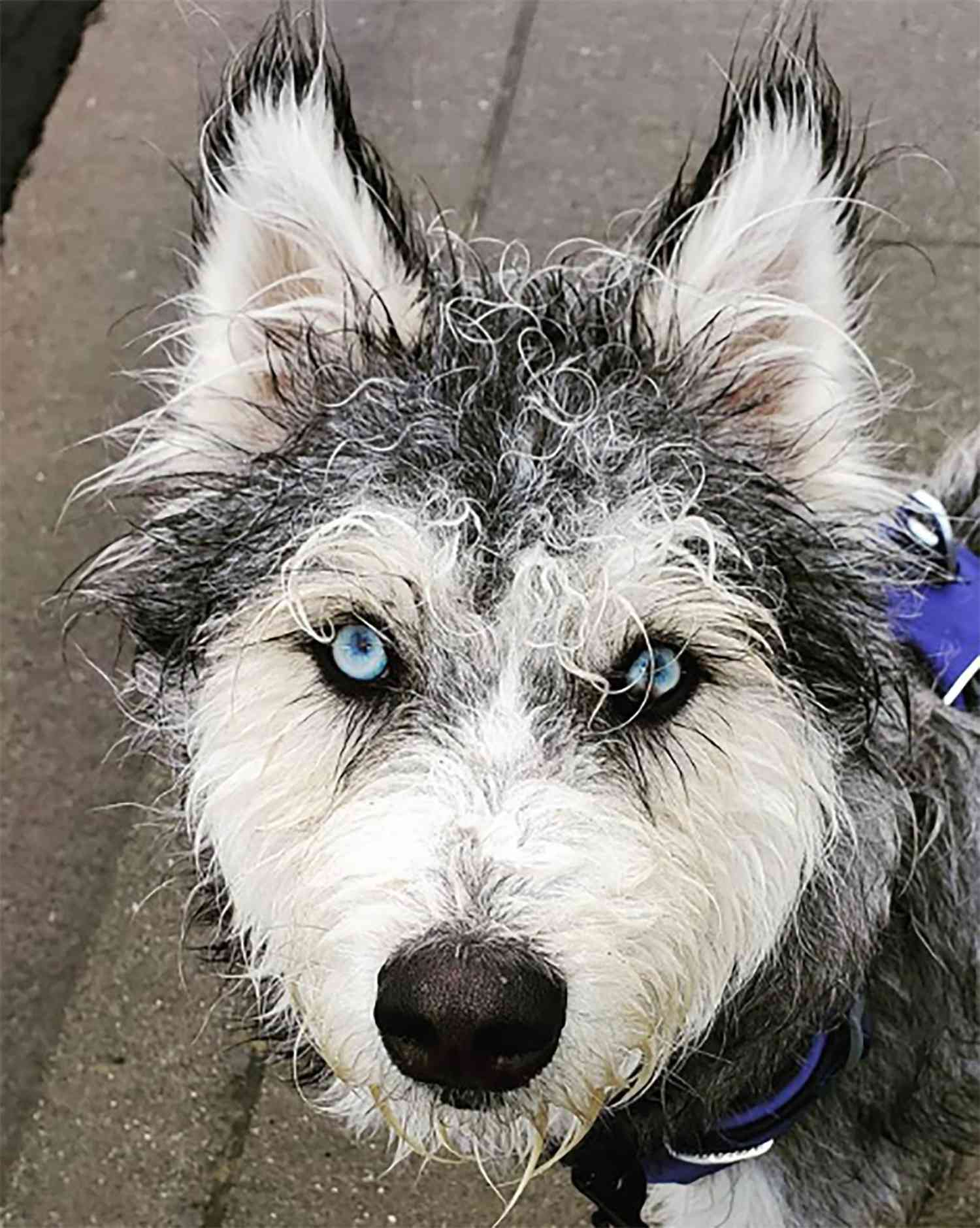
Most Husky mixes inherit the thick double coat that made their Husky parent famous, but colors can range from classic black-and-white to sable, agouti, or even solid cream. Body shape varies with the second breed, yet many display the breed’s trademark almond eyes—sometimes blue, sometimes brown, and occasionally one of each. Adult weights usually fall between 30 and 60 pounds, with shoulder heights around 18–24 inches, though individual dogs may sit above or below that range.
Personality
Expect an outgoing, clever companion who loves being part of daily activities. These dogs are usually playful with children, polite with visitors, and happy to join hikes or jogs. Their intelligence can turn into mischief if boredom strikes, so puzzle toys, training games, and consistent routines help channel that mental energy in positive ways.
Health Considerations
Like any dog, a Husky mix can inherit issues such as hip concerns, eye conditions, or seasonal allergies. Scheduling yearly vet exams, keeping vaccinations current, and maintaining a balanced diet go a long way toward early detection and prevention. Responsible breeders screen parent dogs for common disorders, so ask for health clearances before committing to a puppy.
Daily Care
A brisk 45–60 minutes of exercise split between walks, play sessions, and brain games keeps most individuals calm indoors. Brushing two or three times a week reduces shedding and keeps the coat glossy; more frequent sessions occur during spring and fall “blow-outs.” Nail trims, ear checks, and dental care round out a simple but effective grooming routine.
Training and Socialization
Begin gentle, reward-based lessons the day your dog arrives. Short, upbeat sessions work best, because harsh corrections can spark stubbornness. Early exposure to different people, dogs, surfaces, and sounds builds confidence and curbs over-excitability. Enrolling in a positive-training class strengthens the bond between you and sets clear household rules.
Conclusion
The Husky Mixed-Breed Companion offers the best of two worlds: striking Husky charm paired with the unique perks of another lineage. With adequate exercise, consistent guidance, and routine healthcare, these dogs repay owners with loyalty, laughter, and endless adventure. Understanding their needs ensures a harmonious match and a happy, healthy life together.
Looking Ahead
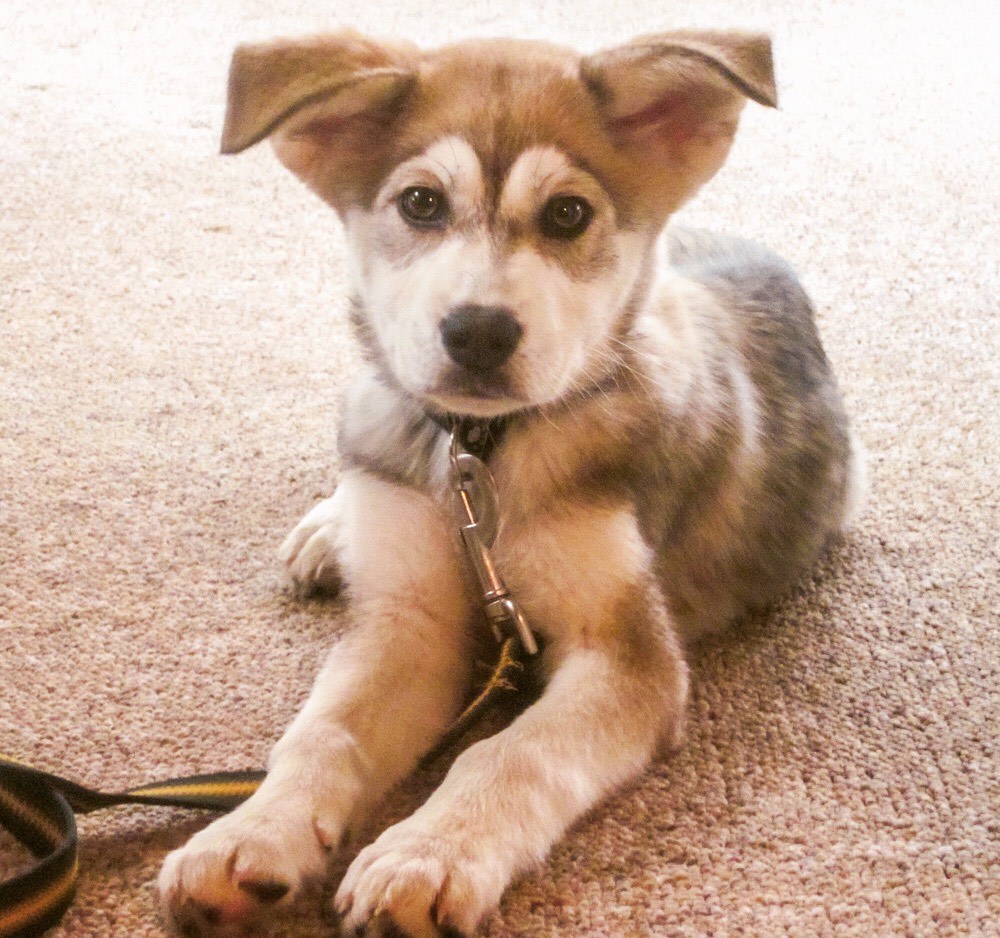
Continued study of mixed-breed genetics may shed light on which traits pass on most reliably, helping future caregivers predict size, coat care, and energy levels. Meanwhile, exploring how active dogs like Husky mixes influence human fitness and emotional well-being could underline the mutual benefits of an energetic canine partnership. As interest grows, sharing experiences within owner communities will keep knowledge fresh and these remarkable dogs well cared for.