



Blue Heeler Guide: How to Welcome the Right Herding Partner into Your Life
Introduction
The Australian Cattle Dog, often called the Blue Heeler, is a quick-witted, tireless breed prized for its devotion and versatility. Whether you live on acreage or in a city apartment, this dog can become a spirited companion for owners who understand its needs. This overview covers the breed’s background, traits, and practical advice on locating a well-matched dog.
The History of the Breed
Developed in Australia during the 1800s, the Blue Heeler was created to move cattle across rough terrain. Early breeders crossed hardy Dingoes with collies and other working dogs, producing a compact, resilient herder whose blue-mottled coat helped it blend with the herd while reflecting harsh sunlight.
Key Traits
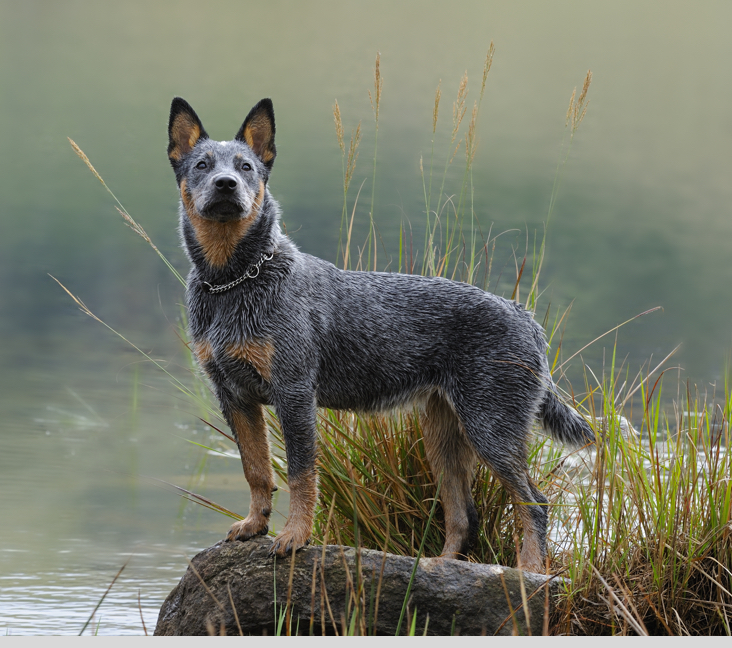
Intelligence and Trainability
These dogs solve problems fast and remember routines for years. Short, varied training sessions keep their minds engaged and prevent boredom-based mischief.
Energy and Activity Level
A Heeler is built for marathon days, not short strolls. Long hikes, fetch marathons, or scent games satisfy their drive and keep household items safe from chewing sprees.
Loyalty and Watchfulness
Deep bonds with family make them natural alarm dogs. Early, positive exposure to new people and places channels guardian instincts into polite vigilance rather than over-protectiveness.
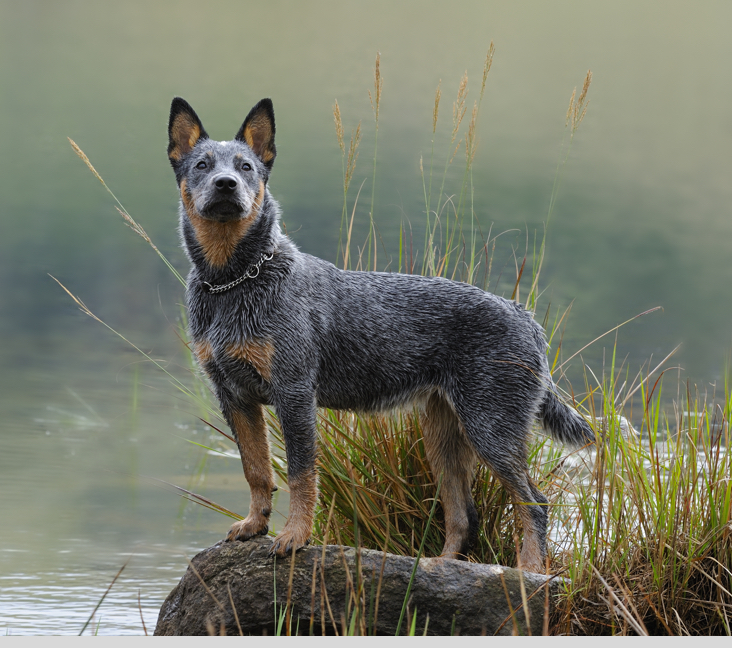
Health and Longevity
With sound care, many live well into their teens. Routine vet visits, weight control, and joint-friendly exercise help postpone common issues like hip stiffness or eye trouble.
Why Owners Love Them
Adaptability
From farm chores to weekend agility trials, they switch gears easily. A consistent schedule and enough exercise let them thrive in almost any setting.
Work Ethic

A job—even carrying a backpack on walks—keeps them cheerful. Many excel at rally, flyball, or volunteer search-training activities.
Companionship
Expect a shadow that celebrates your return with a prized toy and quietly rests at your feet once the day’s work is done.
Locating a Healthy, Balanced Dog
Finding the right individual takes patience. Consider these avenues:
1. Reputable Breeders
Look for breeders who health-test parents for eyes, hips, and deafness. Meet the litter and observe calm, curious temperaments rather than hyperactivity or shyness.
2. Rescue Groups
Breed-specific rescues often list adolescents or adults whose energy levels are already known. Adopting gives a skilled dog a second career as your teammate.
3. Online Communities
Well-moderated forums and national club pages post upcoming litters or dogs needing new homes. Verify details through video calls and references before committing.
4. Dog Events
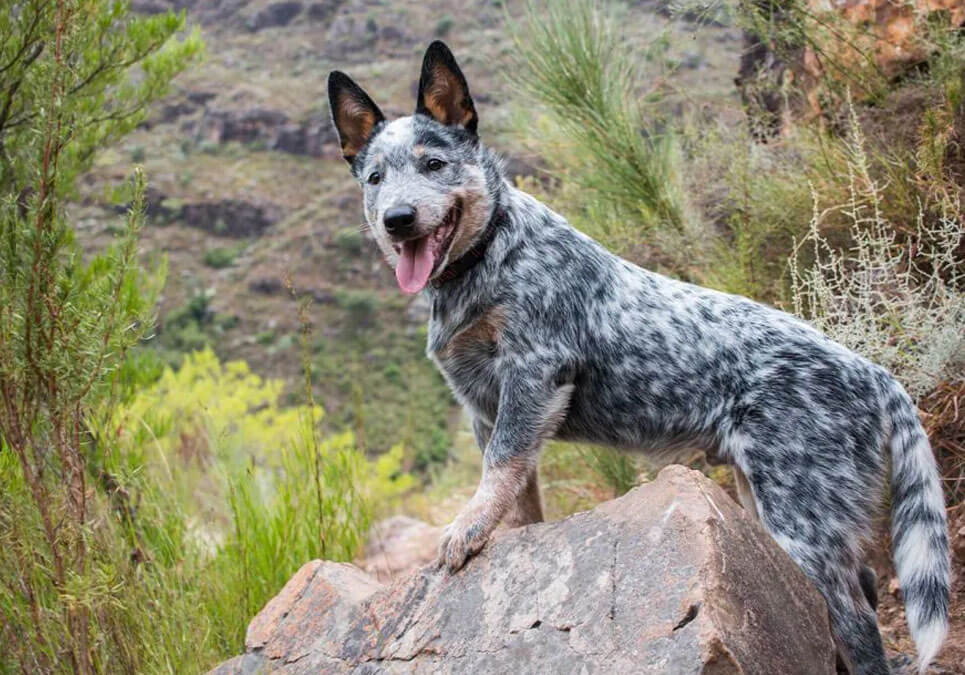
Herding clinics, agility shows, and obedience trials let you watch multiple dogs work and speak directly with experienced owners about daily realities.
Conclusion
A Blue Heeler rewards prepared owners with unwavering loyalty and endless enthusiasm. Evaluate your time, exercise plans, and training goals first; then explore responsible breeders or rescue networks. Provide structure, activity, and affection, and this bright, athletic partner will enrich your routine for years to come.


