


Title: The Quiet Joy of Adopting a Senior Havanese: A Gentle Guide
Introduction
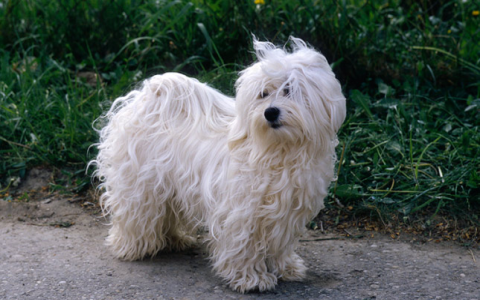
Senior Havanese waiting for new homes have quietly become a favorite among calm-life enthusiasts. These small, silky companions still carry the breed’s trademark warmth, yet move at a slower, steadier rhythm that suits many modern households. This overview looks at what to expect when you open your door to an older Havanese—highlighting their temperament, everyday rewards, and the small adjustments that help them settle.
Characteristics of Senior Havanese
A Havanese is generally considered senior around seven years and up. By then they have usually left behind the intense curiosity of puppyhood and greet life with mellow curiosity instead. Key traits include:
– Soft affection: Older Havanese often stay close by, content to share the sofa and offer quiet comfort rather than constant motion.
– Gentle exercise needs: Short walks and indoor play keep them happy; marathon fetch is no longer on the agenda.
– Thoughtful health care: Routine vet visits, dental cleanings, and joint-friendly diets keep tails wagging well into double-digit years.
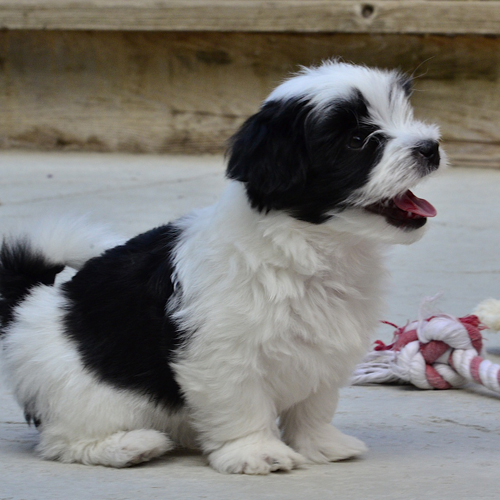
– Easy transitions: With patience, they learn new routines and quickly map the safest paths to food, water, and favorite napping corners.
Benefits of Adopting a Senior Havanese
Choosing an older dog can be surprisingly smooth and deeply fulfilling:
– Instant companionship: Their calm presence can ease everyday stress, offering a steady heartbeat beside yours on quiet evenings.
– Minimal training: Most seniors arrive knowing the basics—house manners, leash etiquette, and the priceless art of sleeping through the night.
– Lower upfront costs: Adoption donations usually cover spay or neuter, initial vaccines, and a health check, sparing you the early bills common with puppies.
– Mutual gratitude: People often describe an almost visible sigh of relief from the dog—a sense that both of you have found exactly what the other needed.
Challenges of Adopting a Senior Havanese
Realistic expectations keep the experience positive:
– Health watchfulness: Arthritis, dental wear, or fading eyesight can appear; budgeting for gentle therapies or specialty food is wise.
– Decompression time: A few weeks of quiet consistency—same walk route, same meal schedule—helps them feel secure.
– Leisurely pace: If you dream of jogging trails or agility championships, an older Havanese will politely cheer you on from the sidelines instead.
Case Studies and Research
Behaviorists note that quiet, affectionate seniors can act as “social bridges,” encouraging relaxed conversation among neighbors or family members. Shelter surveys also report lower return rates for older small-breed dogs, suggesting a durable match once the initial adjustment passes.
Adopters frequently share anecdotes of improved daily routines: earlier bedtimes, more mindful walks, and a renewed appreciation for simple togetherness.
Conclusion
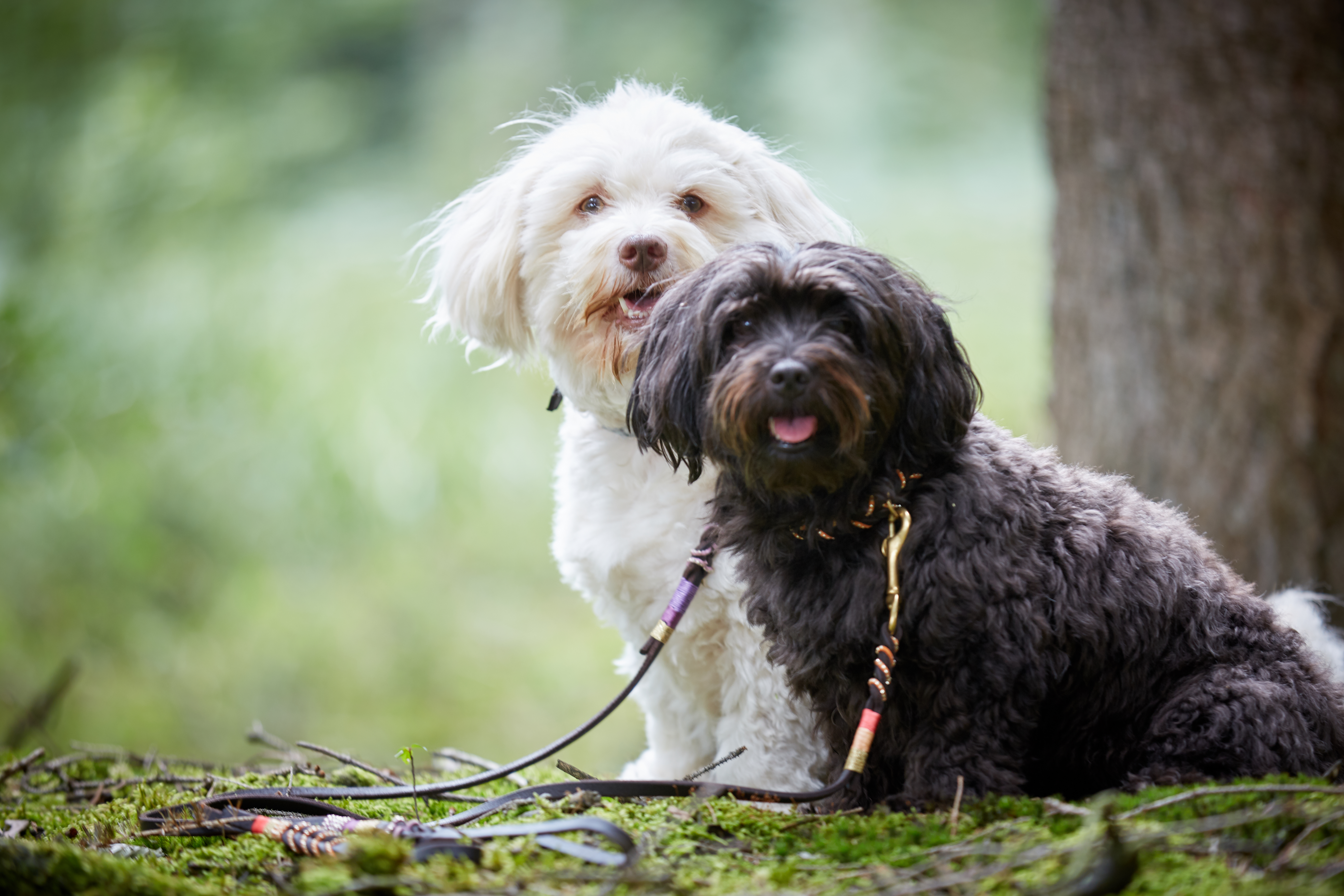
Opening your home to a senior Havanese is less about rescue and more about partnership. They offer seasoned affection without the chaos of youth; you offer soft beds, timely meals, and a stable tomorrow. The exchange feels equal, dignified, and quietly joyful.
With realistic care plans and gentle patience, these dogs glide into retirement beside you, turning ordinary afternoons into shared naps and gentle tail wags.
Recommendations and Future Research
To keep the momentum going:
– Share stories: Post photos, write short updates, and let friends witness the everyday beauty of life with an older dog.
– Build community: Create or join local meet-ups where senior-dog owners swap vet referrals, harness tips, and favorite orthopedic beds.
– Keep learning: Support studies on senior canine nutrition, pain management, and enrichment so tomorrow’s adopters have even better guidance.
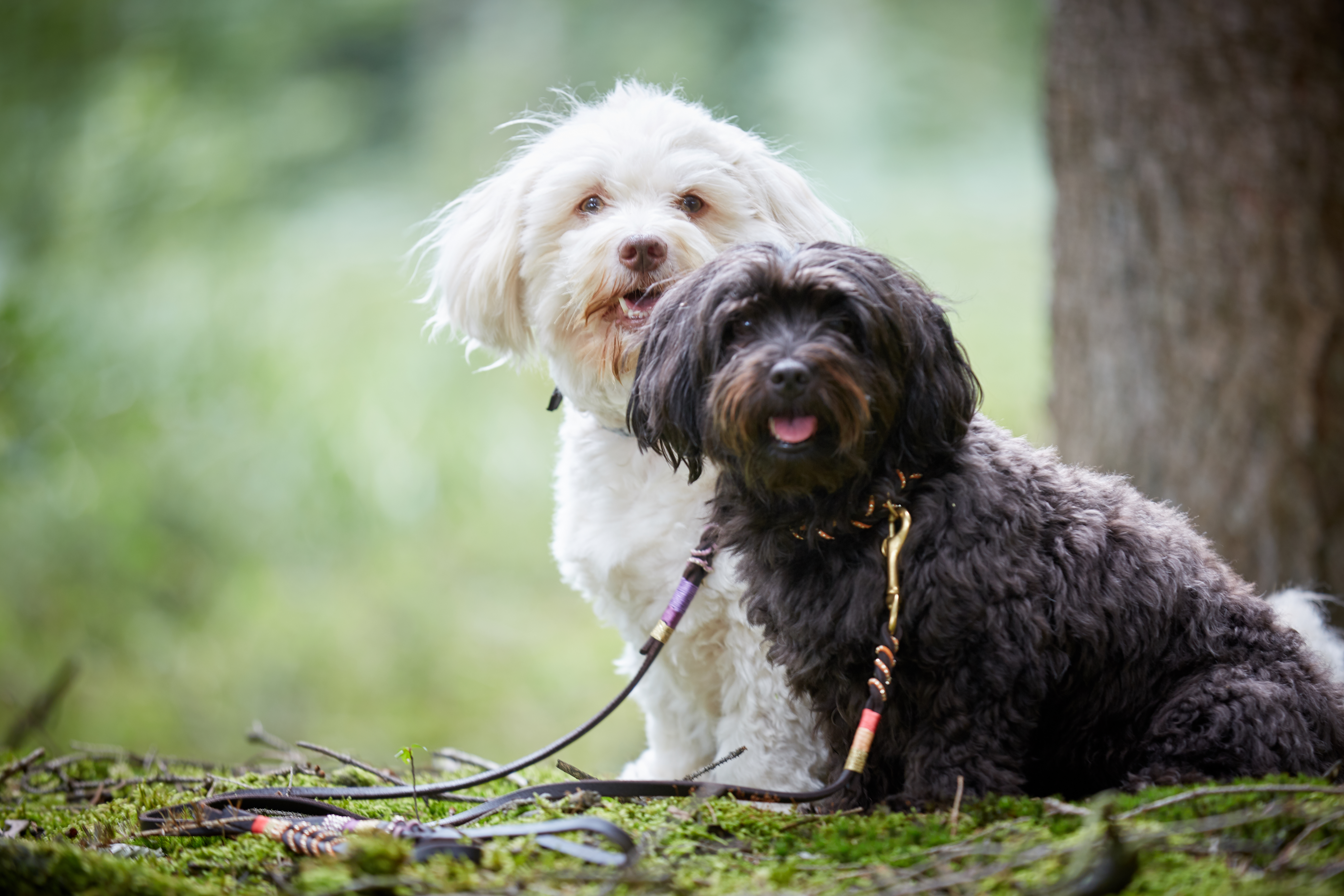
Together, we can ensure that gray muzzles continue to find welcoming doorsteps—and that every gentle Havanese heart beats comfortably inside a loving home for as long as possible.


