
The Evolving Portrait of Companion Animals: Human-Animal Bonds Through Time
Introduction
Over the centuries, the way we see companion animals has shifted dramatically, mirroring broader changes in social values and everyday life. Once kept mainly for work or protection, dogs, cats, and other pets are now cherished household members who shape routines, conversations, and even family photos. This overview traces that transformation, looking at historical roots, emotional rewards, and cultural meanings attached to living with animals.
Historical Context
In early societies, animals were valued for the labor they could provide: guarding settlements, herding livestock, or helping hunters track prey. As villages grew into towns, people began to welcome animals indoors, noticing affectionate behaviors that went beyond utility. By the Middle Ages, small dogs had become fashionable accessories among the elite, while artists of the Renaissance often included loyal hounds in portraits to signal fidelity. Fast-forward to the present, and the same species sleep on sofas, star on social media feeds, and accompany owners on vacation.
Psychological Impact
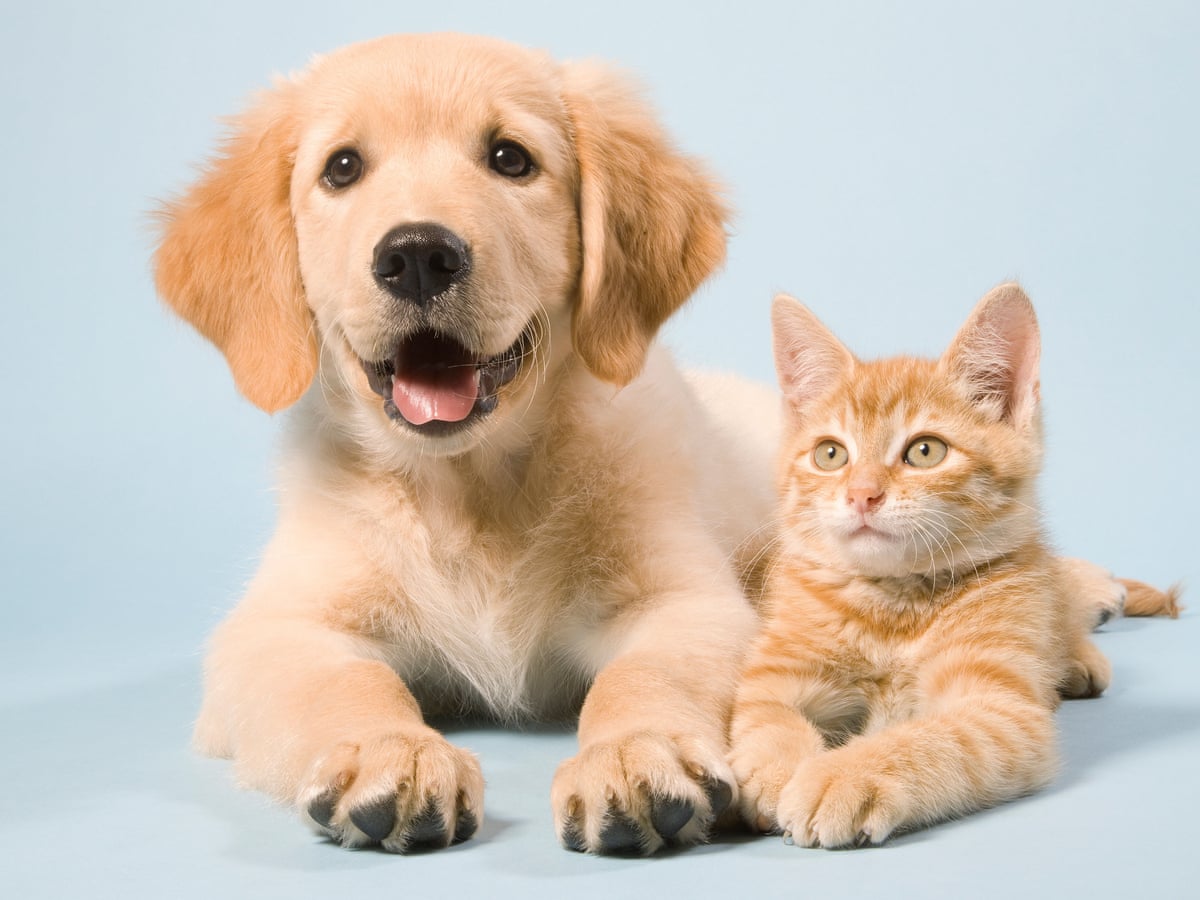
Sharing life with a friendly animal can steady human emotions. Simple routines—morning walks, evening cuddles, or the sound of a cat’s purr—introduce calming structure to busy days. Many owners report feeling less isolated and more optimistic, a benefit researchers link to increased oxytocin and reduced stress hormones. Children who grow up feeding or grooming a pet often practice empathy early, learning to read non-verbal cues and to place another being’s needs alongside their own.
Cultural Significance
Attitudes toward companion animals differ around the globe. Some traditions celebrate specific species as spiritual guardians; others emphasize practical coexistence. Urban centers now host cafés where patrons sip coffee alongside resident cats, while television shows chronicle everything from dog agility contests to parrot vocabulary contests. These varied expressions reveal a common thread: animals act as social bridges, sparking conversation across age, language, and background.
Research Findings
Investigations into human-animal interaction repeatedly point to measurable gains. Cardiologists note steadier heart rates among people who regularly pet dogs. Educators observe improved reading confidence when youngsters practice aloud to a non-judgmental guinea pig. Therapists introduce gentle horses or rabbits into sessions to help clients open up when words alone feel difficult. Although individual results vary, the pattern suggests that calm, well-cared-for animals often extend calm to the humans beside them.
Conclusion
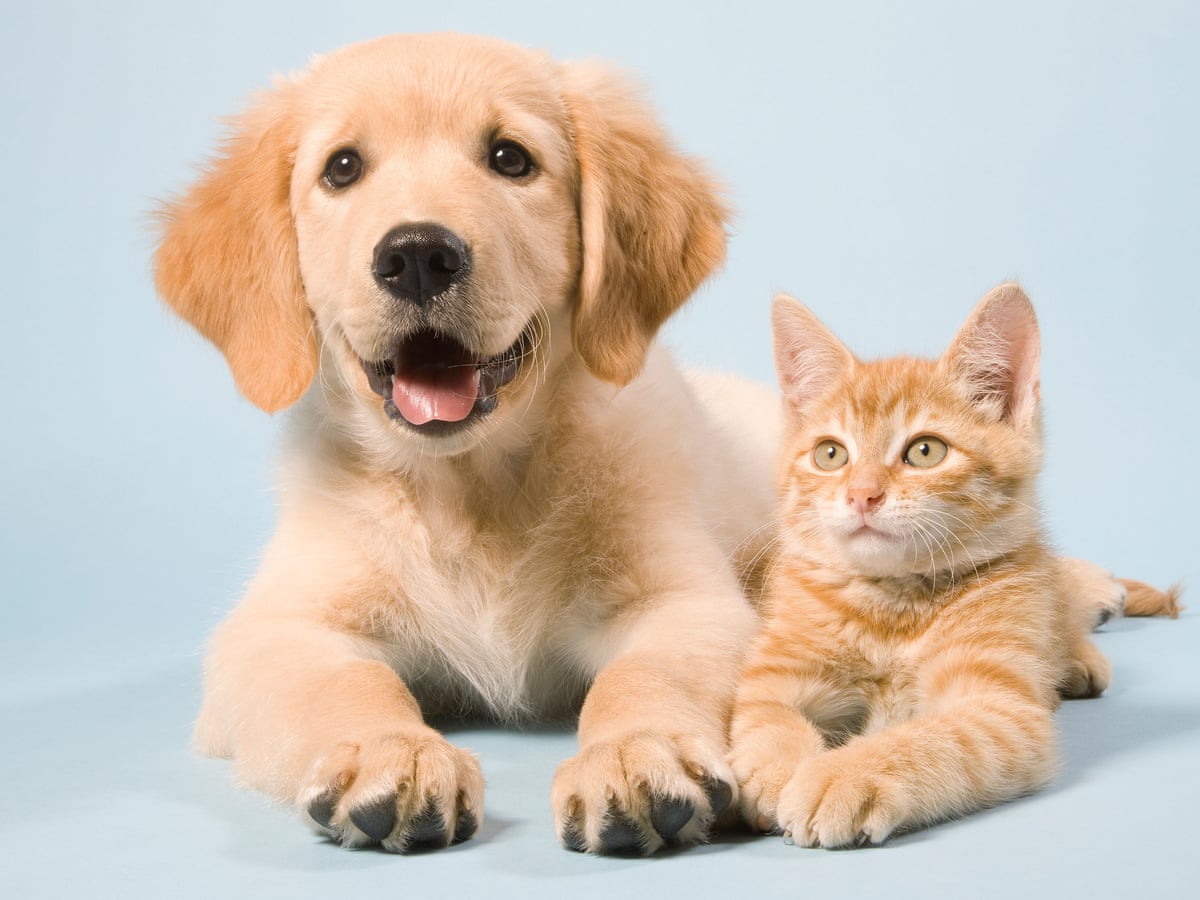
From working partner to Instagram celebrity, the companion animal has become a versatile symbol of comfort, status, and emotional anchor. Recognizing this journey encourages thoughtful caretaking: adopting responsibly, providing veterinary care, and respecting each creature’s unique personality. In return, people receive daily lessons in patience, playfulness, and uncomplicated affection.
Recommendations and Future Research
To keep deepening our understanding, several avenues deserve attention:
1. Compare how different societies integrate pets into family and community rituals.
2. Follow children over many years to see whether early pet care predicts later social skills or resilience.
3. Test whether brief, structured interactions with animals can ease loneliness in care facilities or after stressful events.

4. Design school and media campaigns that highlight adoption, training, and lifelong commitment.
Pursuing these questions will help ensure that the human-animal relationship continues to thrive in balanced, respectful ways.