
The Value of Affordable Pet Adoption
Introduction
Bringing a companion animal home has grown in popularity as people discover the emotional rewards of caring for a pet. Still, the upfront expense keeps many households from taking the step. This article looks at why lower-cost adoption matters and how it supports animal welfare while easing shelter overcrowding.
What is Affordable Pet Adoption?
Definition and Scope
Affordable pet adoption means welcoming a cat, dog, or small critter through channels that keep fees well below typical retail prices. Options include community adoption drives, nonprofit shelters, foster networks, or re-homing situations arranged between trusted acquaintances. The aim is to remove price barriers so more people can provide safe, lifelong homes.
Benefits of Affordable Pet Adoption
Reducing Shelter Overcrowding
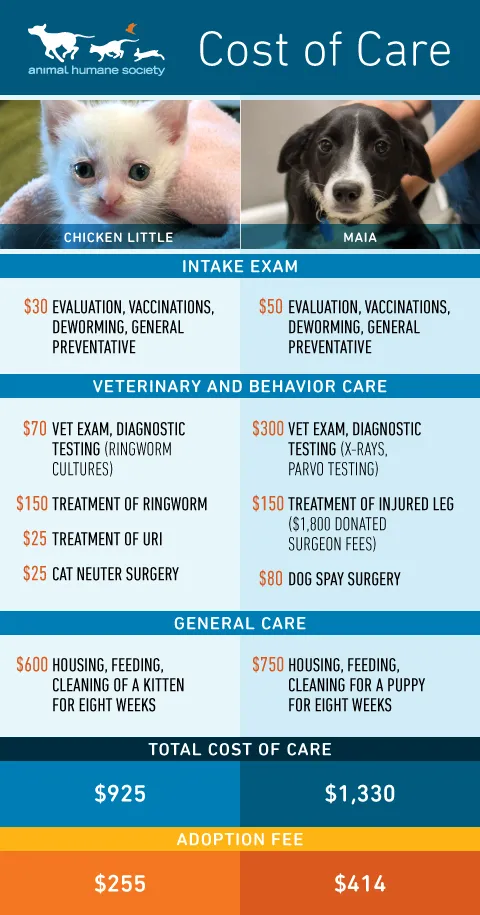
Lower fees help move animals out of crowded facilities faster, lowering euthanasia rates and giving staff more space to care for incoming rescues.
Boosting Animal Welfare
Every adoption frees up resources for food, vaccinations, and medical care, raising the overall standard of living for the animals that remain behind.
Fostering Responsible Guardianship
When adopters save on initial costs, they often redirect funds toward quality food, routine vet visits, and enrichment items, creating a stable environment that discourages future abandonment.
Challenges and Solutions
Financial Constraints
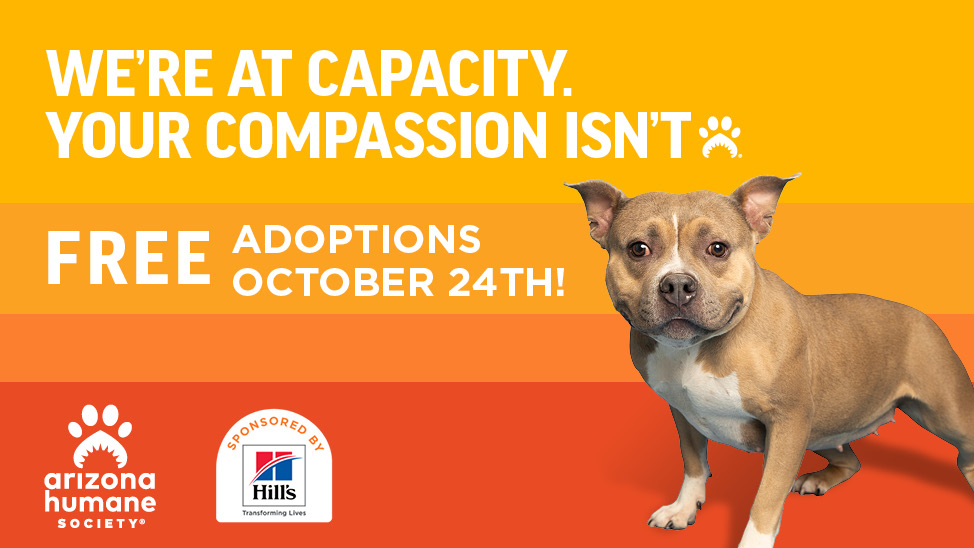
Even reduced fees can feel steep for some families. Shelters can counter this by offering time-limited fee waivers, starter-supply bundles, or referral programs with local clinics for discounted check-ups.
Public Awareness and Education
Many people still equate low fees with low quality. Clear messaging—through social media, school talks, and pop-up meet-and-greets—can explain that adoptable pets receive medical care and behavioral screening regardless of price.
Case Studies
Shelter Success Stories
A mid-sized city shelter once waived fees for cats older than five during a month-long event. Adult-cat adoptions doubled, freeing half the feline kennels and cutting daily care costs significantly.
Community Involvement
Neighborhood groomers, pet-supply shops, and cafés have sponsored “yappy hours” where adoptable dogs mingle with visitors. These relaxed settings speed up matches and strengthen local support for the shelter.
Conclusion
Affordable adoption programs serve animals and people alike: they shorten shelter stays, curb population pressure, and place pets in committed homes. By combining lower fees with outreach and community partnerships, cities can build a culture in which adoption is the first choice for anyone ready to welcome a new companion.
Recommendations and Future Research
Recommendations
To expand affordable adoption:

1. Run regular fee-waived or pay-what-you-can weekends, promoted through local media and neighborhood apps.
2. Team up with veterinarians and pet stores to offer starter-care packages for every adopted animal.
3. Host mobile adoption units at farmers’ markets, festivals, and sports events to reach audiences who rarely visit shelters.
Future Research
Areas worth exploring include:
1. Long-term health and behavior outcomes for pets adopted during reduced-fee campaigns.
2. Financial effects of fee waivers on shelter operating budgets and donor support.

3. Comparative success of rural versus urban low-cost adoption strategies.