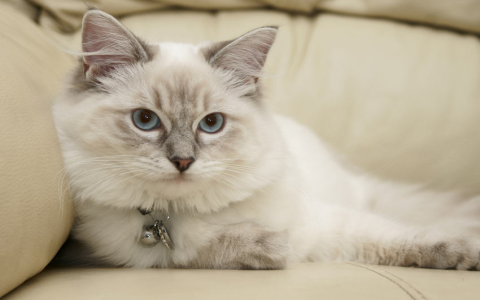
Which Cat Breed is Best for Me Quiz: A Comprehensive Guide
Introduction
Finding the right feline companion can feel overwhelming, especially if you have never shared your home with a cat. With dozens of breeds to choose from—each offering distinct traits and care requirements—it helps to narrow the field before you fall in love with the first whiskered face you see. This guide walks you through a simple quiz-style approach that matches everyday lifestyles to common breed tendencies, so you can bring home a cat whose personality, energy, and grooming needs fit naturally into your routine.
Understanding the Quiz
The “Which Cat Breed is Best for Me” quiz is a short set of lifestyle questions that point you toward breeds likely to thrive in your environment. Topics include how much daily interaction you can offer, the size of your home, noise levels, and your own activity patterns. Your answers create a profile that highlights breeds known for similar preferences, giving you a practical starting point for shelter visits or breeder conversations.
Factors to Consider When Choosing a Cat Breed

1. Personality
Cats range from quiet lap-warmers to perpetual motion machines. If you picture calm evenings with a relaxed companion, look toward breeds celebrated for mellow temperaments. If you want a playful shadow that follows you from room to room, consider breeds famous for curiosity and high social drive.
2. Activity Level
Be honest about how much time you can spend on daily play. Some cats are satisfied with a short wand-toy session and a sunny windowsill, while others need vigorous chase games and puzzle feeders to stay content. Matching your own energy to your cat’s prevents boredom-related behavior issues.
3. Living Space
Studio apartment or multi-story house, vertical options matter more than square footage. Robust climbers appreciate tall cat trees and wall shelves, whereas less athletic cats may prefer cozy floor beds. Also factor in shedding; longer coats leave more fur on furniture and may require frequent vacuuming.
4. Compatibility with Children and Other Pets
Gentle, tolerant breeds often adapt well to noisy households or dog siblings, but individual personality always trumps label. Slow, supervised introductions and plenty of escape nooks give any cat the best chance of forming peaceful multi-species friendships.
5. Grooming Needs
Silky longhair can be stunning, yet it tangles without regular brushing. Shorthair usually means less combing and fewer hairballs. Decide how much time you realistically want to spend on coat care each week, then choose accordingly.
Popular Cat Breeds and Their Characteristics
1. Maine Coon
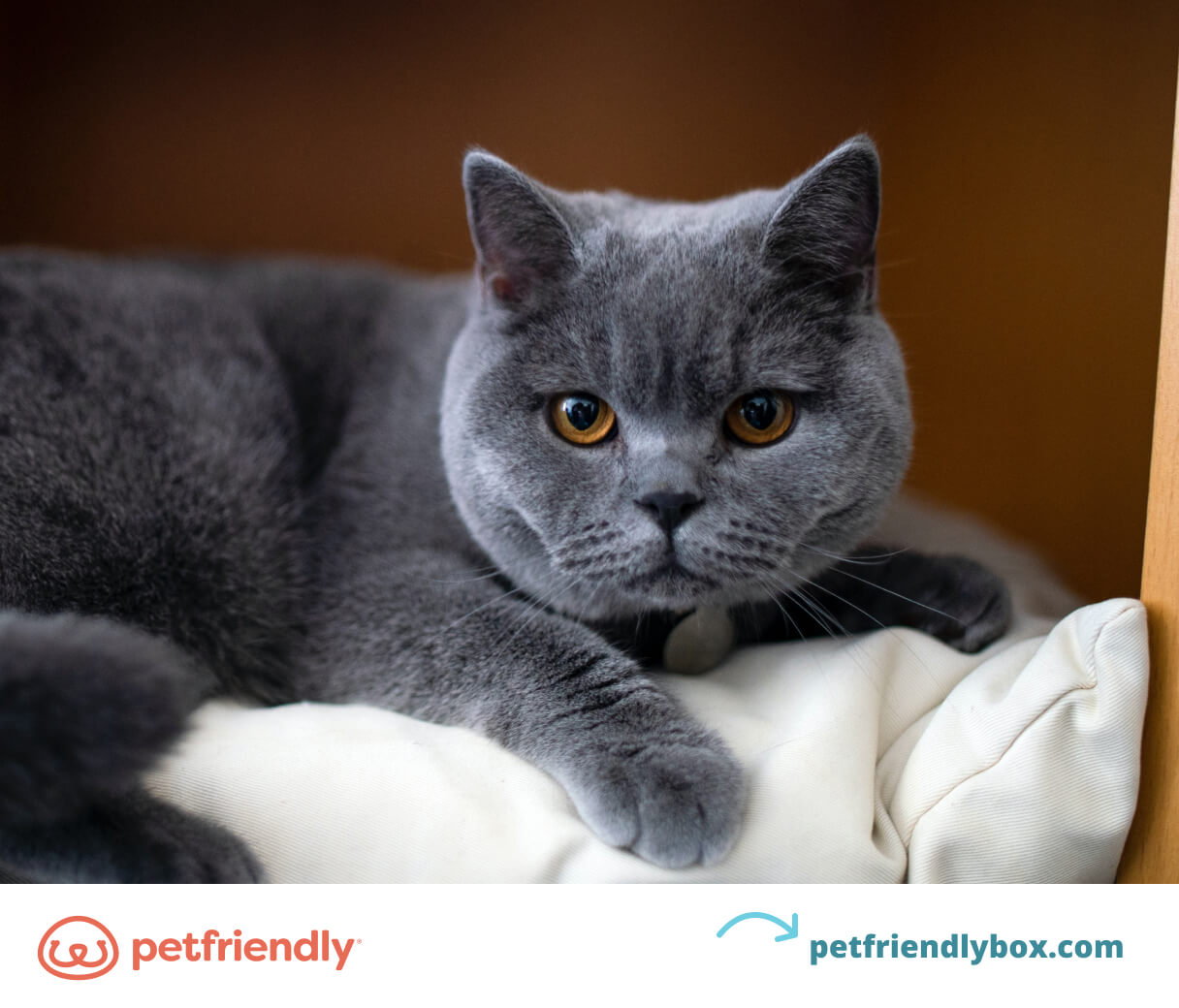
Large, tuft-eared, and famously friendly, this breed often greets guests like a canine ambassador. Expect seasonal shedding and a willingness to learn tricks or walk on a leash.
2. Persian
With a pansy-flat face and flowing coat, Persians embody living décor. They prefer predictable routines, soft voices, and daily brushing to keep their fur mat-free.
3. Siamese
Sleek, vocal, and intensely people-oriented, Siamese cats crave conversation and interactive toys. Leave them alone too long and they will narrate their displeasure—loudly.
4. Abyssinian
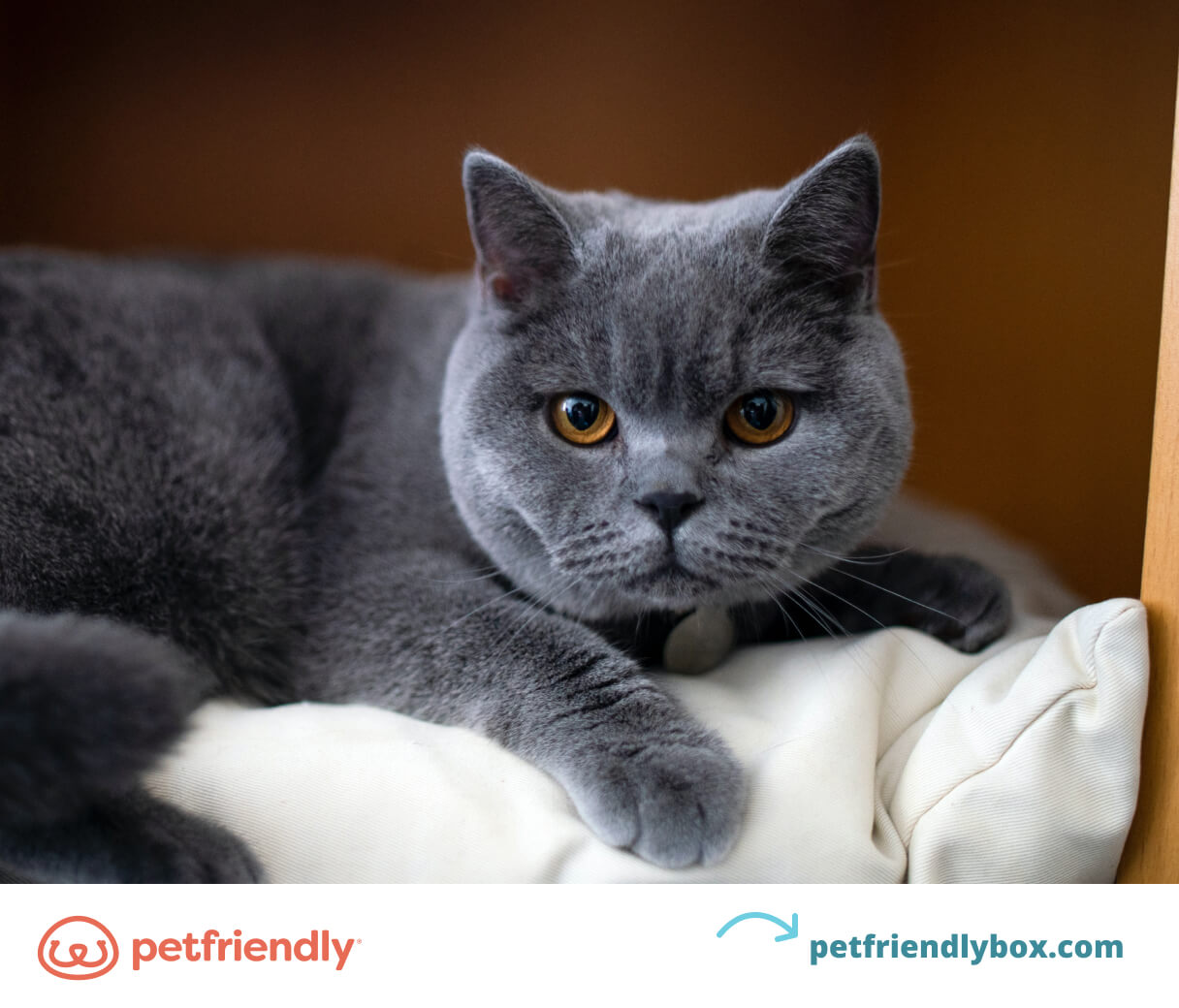
A ticked coat gives this breed a wild look, matched by an explorer’s heart. Abyssinians excel at leash walks, clicker training, and supervising every household project.
5. British Shorthair
Round cheeks and a plush coat give this cat a teddy-bear vibe. Generally calm and undemanding, they entertain themselves yet happily accept gentle affection when offered.
Conclusion
The perfect cat is less about prestige and more about harmony. Use the quiz results as a compass, visit shelters or reputable breeders, and spend time with individual cats before deciding. When lifestyle and temperament align, you gain a contented companion—and a home filled with quiet purrs or playful pounces—for many happy years ahead.