



The Role and Importance of Animal Rescue Centers
Introduction
Animal rescue centers serve as vital refuges for creatures that have been abandoned, injured, or face urgent danger. By offering shelter, medical attention, and rehabilitation, these facilities give countless animals a fresh start. This article examines why such centers matter, how they benefit communities, and the obstacles they confront while protecting vulnerable animals.
The Significance of Animal Rescue Centers
Providing a Safe Haven
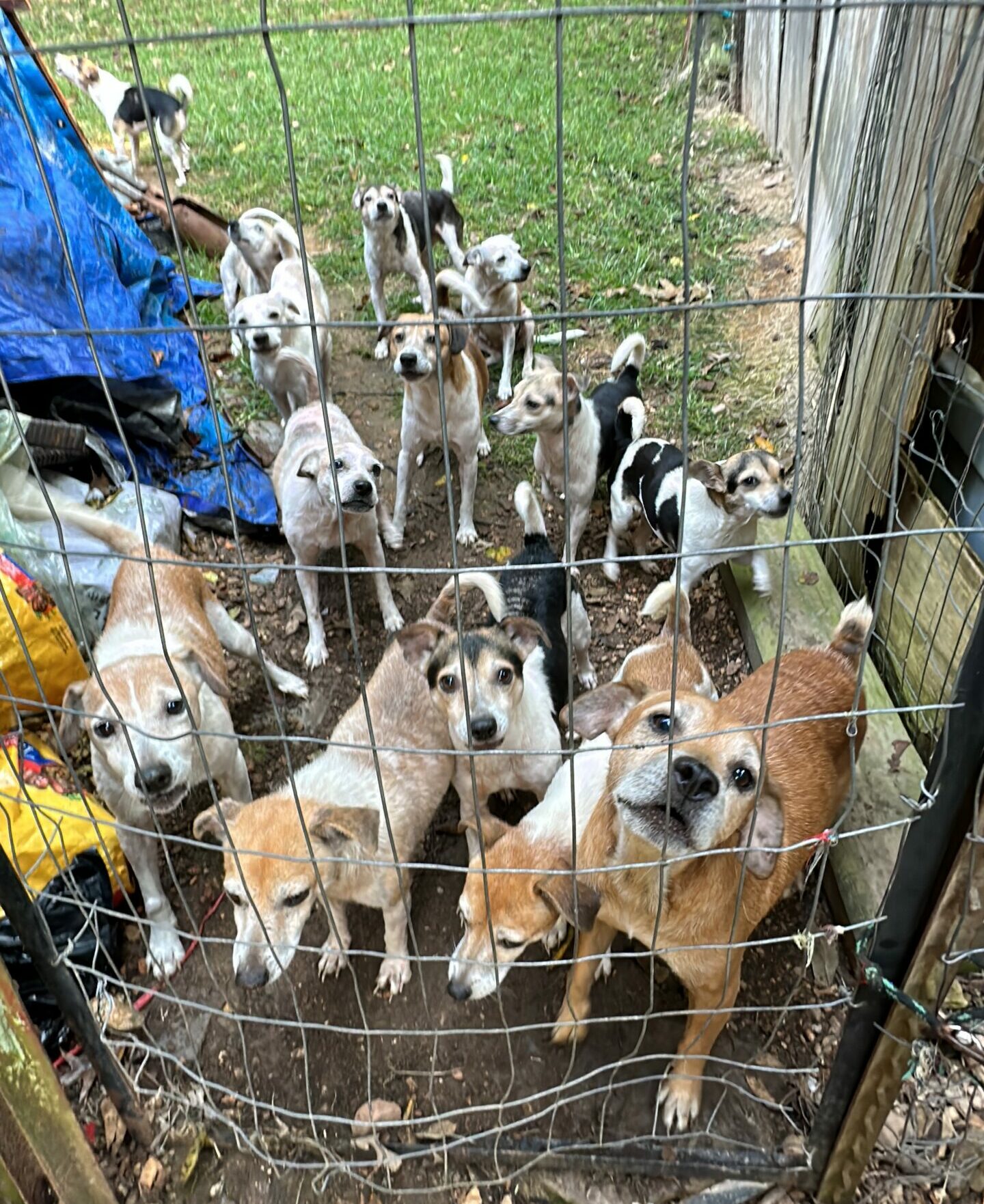
Rescue centers create protected spaces where animals can heal from neglect, abuse, or accidents. A calm setting allows both domestic and wild species to recover physically and emotionally before they are placed in new homes or returned to natural habitats.
Medical and Veterinary Care
On arrival, many animals need immediate treatment. Centers supply vaccinations, sterilization, surgery, and ongoing therapies that restore health and curb the spread of contagious illnesses among animals and people.
Education and Advocacy
Through guided tours, school visits, and public events, rescue organizations teach visitors about responsible pet ownership, habitat protection, and compassionate living. These lessons encourage future generations to treat animals with respect.
The Impact of Rescue Centers on Society
Reducing Animal Homelessness
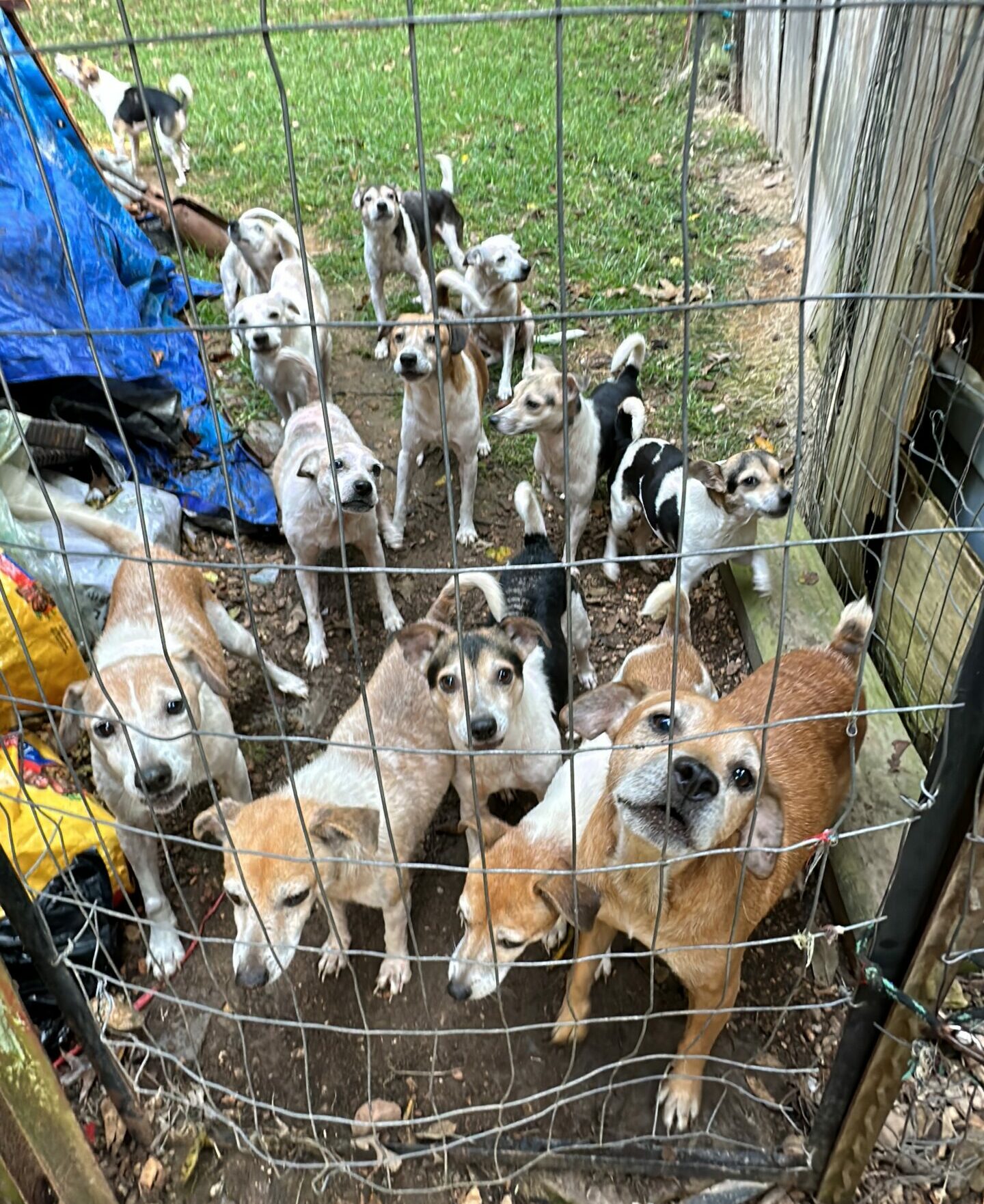
By taking in strays and surrendered pets, rescue groups ease pressure on municipal shelters and lower the number of animals that must be humanely euthanized for lack of space.
Economic Benefits
Centers generate local employment, attract ethical tourists, and raise property values in pet-friendly neighborhoods. Adoption fees and on-site shops also circulate funds back into the regional economy.
Social Benefits
Volunteer programs unite residents of all ages around a shared cause, strengthening community bonds and nurturing empathy that often extends to fellow citizens as well as animals.
Challenges Faced by Rescue Centers
Funding and Resources
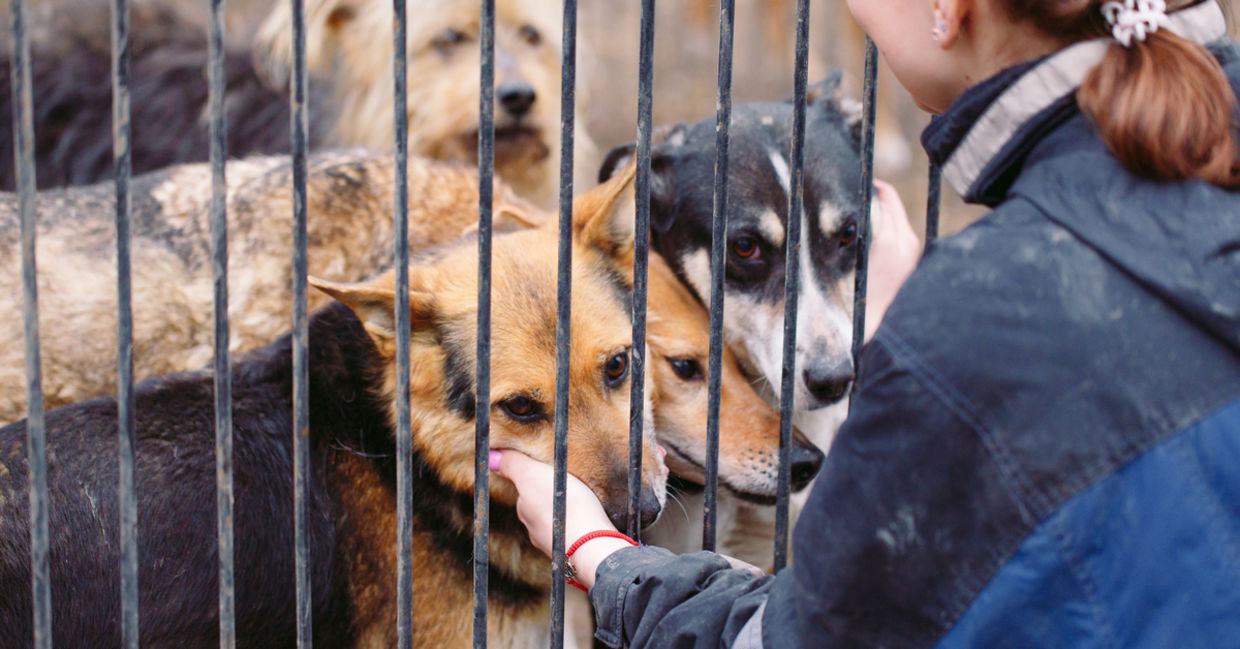
Most facilities depend on unpredictable donations and volunteer labor. Limited budgets can restrict veterinary supplies, food, and facility maintenance, placing animal welfare at risk.
Overpopulation
High birth rates among unsterilized pets lead to continuous intake, stretching kennel space and staff time to the limit.
Legal and Ethical Issues
Staff must balance animal needs with custody laws, breeding regulations, and difficult decisions about euthanasia for untreatable suffering, tasks that carry emotional weight.
Case Studies and Success Stories
A Sanctuary in the Desert
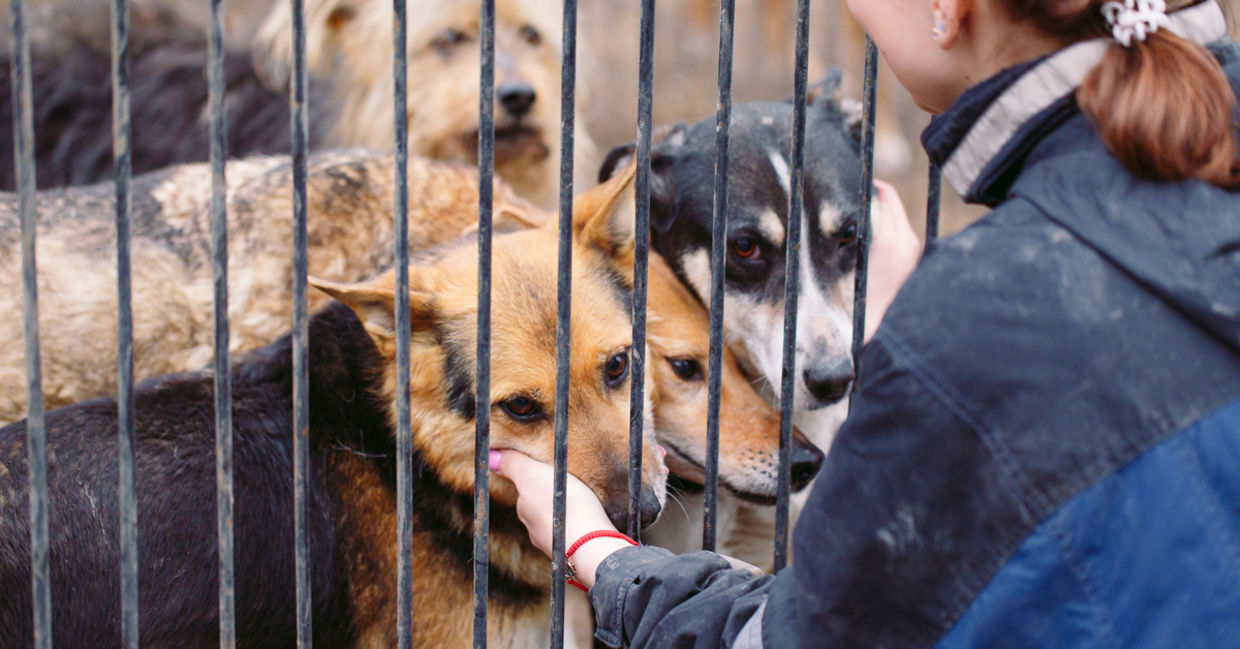
One well-known refuge opened decades ago on arid land that was once slated for development. Today it houses thousands of formerly homeless dogs, cats, rabbits, and farm animals, proving that dedicated care can transform lives and inspire similar projects worldwide.
A National Welfare Organization
A long-standing humane society operates mobile clinics, disaster-response teams, and adoption drives across the country, demonstrating how coordinated efforts can reduce cruelty and place record numbers of pets into loving homes.
Conclusion

Rescue centers stand on the front lines of animal protection, combining shelter, medicine, and outreach to create healthier communities. Despite financial strain and logistical hurdles, the passion of caregivers keeps the mission alive. Public support and informed policy will determine how effectively these sanctuaries can continue their lifesaving work.
Recommendations and Future Directions
To boost the reach and efficiency of rescue centers, stakeholders should consider the following steps:
1. Expand reliable funding streams through partnerships, grants, and community fundraising events.
2. Promote large-scale spay and neuter campaigns to curb overpopulation at its source.
3. Enforce and strengthen anti-cruelty legislation while providing clear guidance to rescue operators.

4. Invest in continuous public education that fosters empathy and responsible ownership.
By acting on these priorities, society can help ensure that every animal in need receives the care and dignity it deserves.


