


The Role of Canine Vision in Shaping Perception and Behavior
Introduction
Dogs have shared their lives with people for millennia, and their way of seeing the world is central to that partnership. Their eyes gather information in ways quite different from our own, guiding how they play, work, and bond with us. This overview looks at what makes canine vision special, how it influences everyday behavior, and why it matters for training and companionship.
The Anatomy of a Dog’s Eye
A dog’s eye is built for a life that balances vigilance and cooperation. The inner lining contains an abundance of motion-sensitive cells, giving it a sweeping view of the surroundings and impressive performance in dim light. The sections below highlight the main features that shape this view.
1. Broad Peripheral Vision
Most dogs can scan roughly 270 degrees around them, far wider than the human range of about 180 degrees. This wide arc lets them notice sudden movement at the edges of their sight while still keeping track of family members or playmates nearby.
2. Limited Color Range
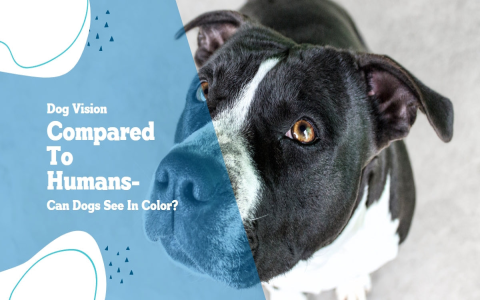
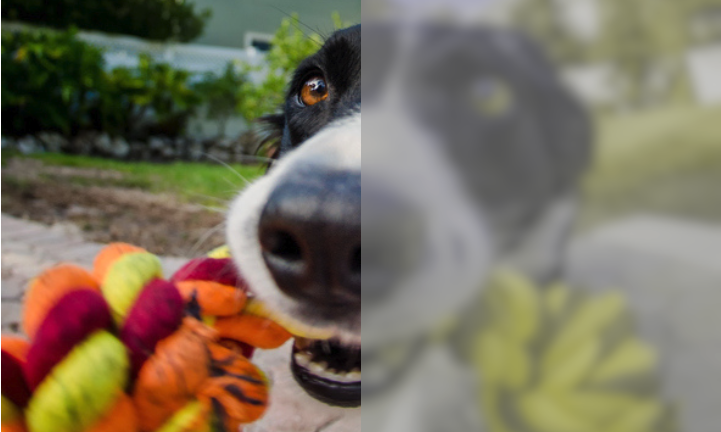
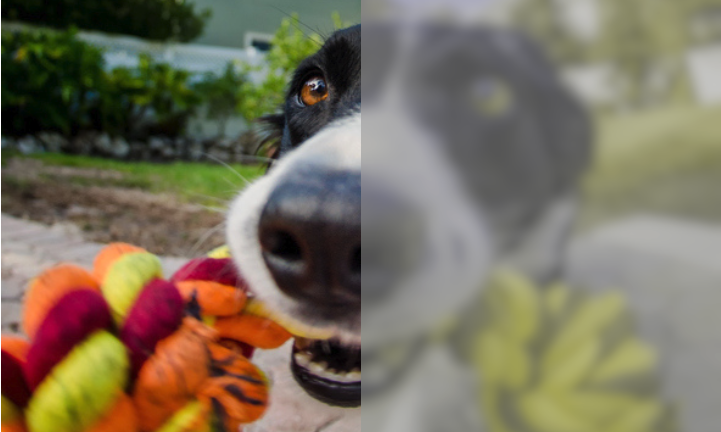
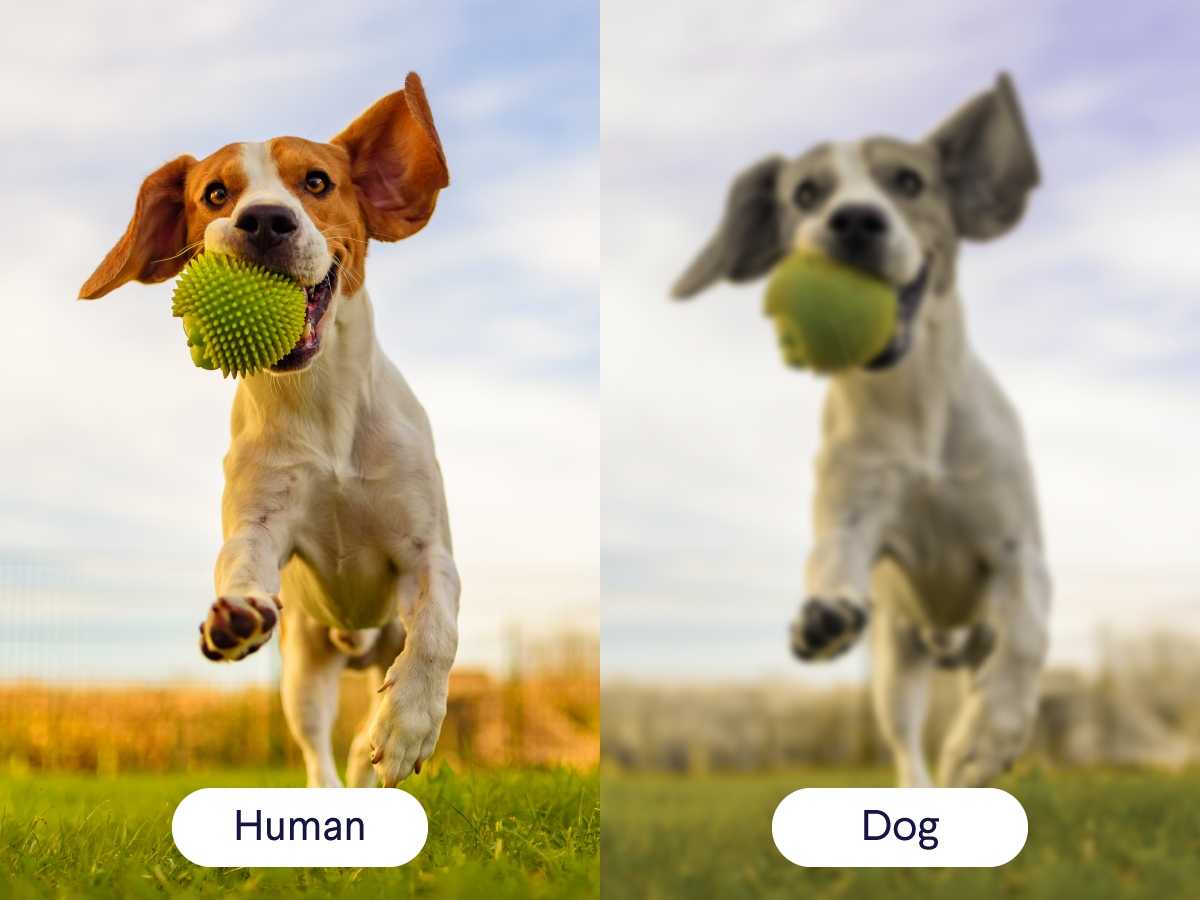
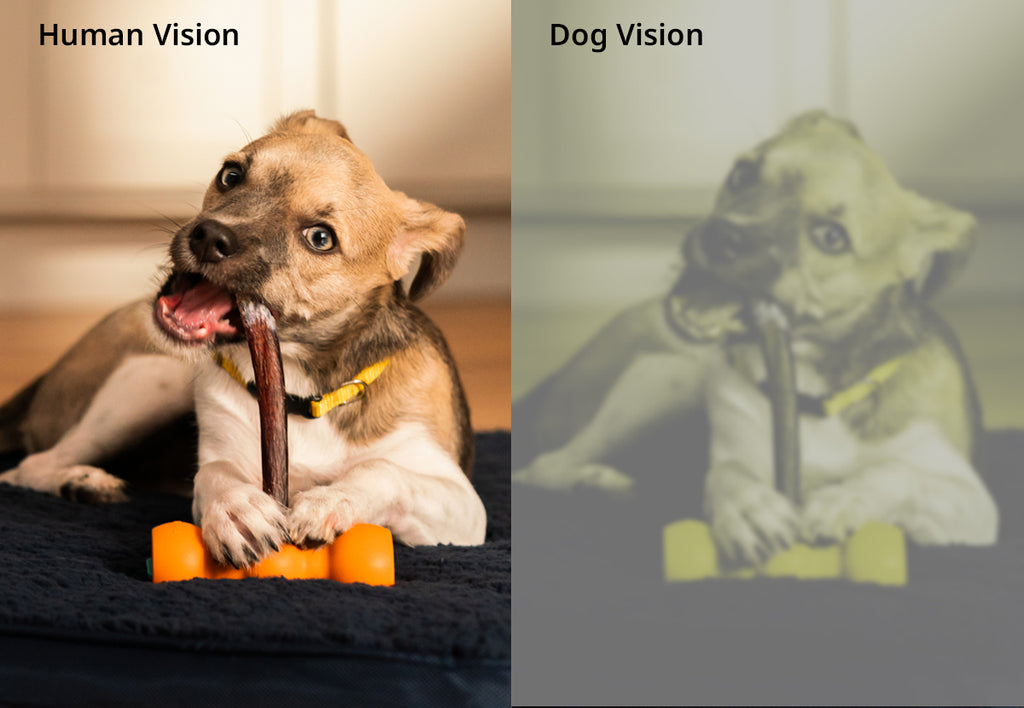
Dogs experience a two-color world dominated by blues and yellows. With only two kinds of color receptors, they distinguish some hues easily, yet reds and greens appear as similar shades of grayish brown. Toys in blue or yellow tones stand out most clearly to them.
3. Superior Night Sight
Rich supplies of light-gathering cells and a reflective layer behind the retina give dogs a clear edge after sunset. They can navigate spaces that look nearly pitch-black to people, an advantage inherited from nocturnal ancestors.
The Impact of Vision on Behavior
Sight guides more than movement; it steers social choices, play style, and cooperation with people. The following points show how vision weaves through daily canine life.
1. Social Reading
Dogs watch body posture, tail position, and facial cues to judge mood and intent. A calm, direct glance or a turned head can signal friendliness, while a hard stare may warn of trouble. These silent conversations rely on the ability to notice small shifts in outline and movement.
2. Play and Exploration
Quick detection of motion turns a simple walk into an engaging parade of squirrels, drifting leaves, and flying discs. This sensitivity keeps walks lively and games of fetch exciting, encouraging healthy exercise and mental stimulation.
3. Human Partnership
By following pointing hands, smiling faces, or even the direction of a gaze, dogs integrate themselves into human routines. Visual signals often replace words, letting dogs open doors, fetch items, or lie quietly beside a chair on cue.
Vision in Training and Daily Care
Good training respects how dogs actually see the world. Handlers who adjust lighting, contrast, and movement set dogs up for success and reduce confusion.
1. Clear Visual Signals
Arm movements, palm flashes, or target sticks speak louder than repeated spoken commands. Because dogs notice motion first, a sweeping hand can tell a dog to lie down just as clearly as the word itself.
2. Thoughtful Lighting
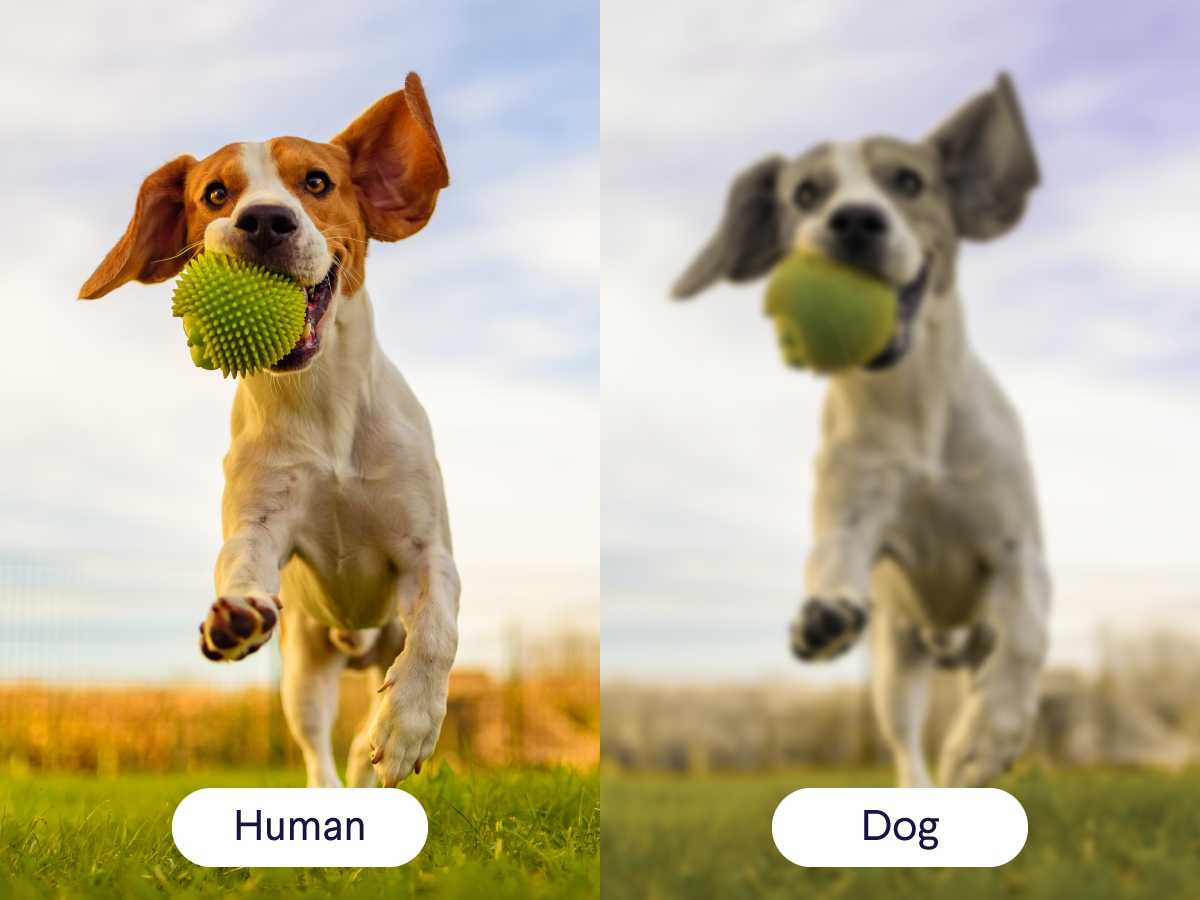
Even with strong night vision, dogs perform best in bright, even light when learning new tasks. Outdoor morning sessions or well-lit rooms help them pick out subtle cues from the handler.
3. Gradual Scene Changes
New parks, crowded plazas, or shiny floors can look confusing at first. Allowing time to look around before asking for obedience builds confidence and prevents stress-related mistakes.
Conclusion
Canine vision is a specialized toolkit: panoramic awareness, muted colors, and dusk-ready sensitivity. These traits shape how dogs explore, socialize, and cooperate with people. Respecting their way of seeing leads to clearer communication, safer outings, and a deeper bond between species.
Future Research Directions
Questions still open for study include:
– How domestication continues to fine-tune the canine eye across different breeds and roles.
– Whether visual strengths link to problem-solving styles or learning speed.
– How new training gadgets that glow, flash, or move might tap into natural eye skills.
Continued exploration promises better care methods, smarter training tools, and an even richer life shared with our four-legged companions.


