



Bengal Kittens for Adoption: A Complete Overview
Introduction
Bengal kittens captivate cat enthusiasts with their wild-inspired coats, endless energy, and quick wit. As interest grows, more families are choosing to adopt rather than shop. This guide walks you through what to expect—from personality and care needs to the adoption journey itself—so you can decide if a Bengal is the right fit for your home.
Characteristics of Bengal Kittens
Appearance
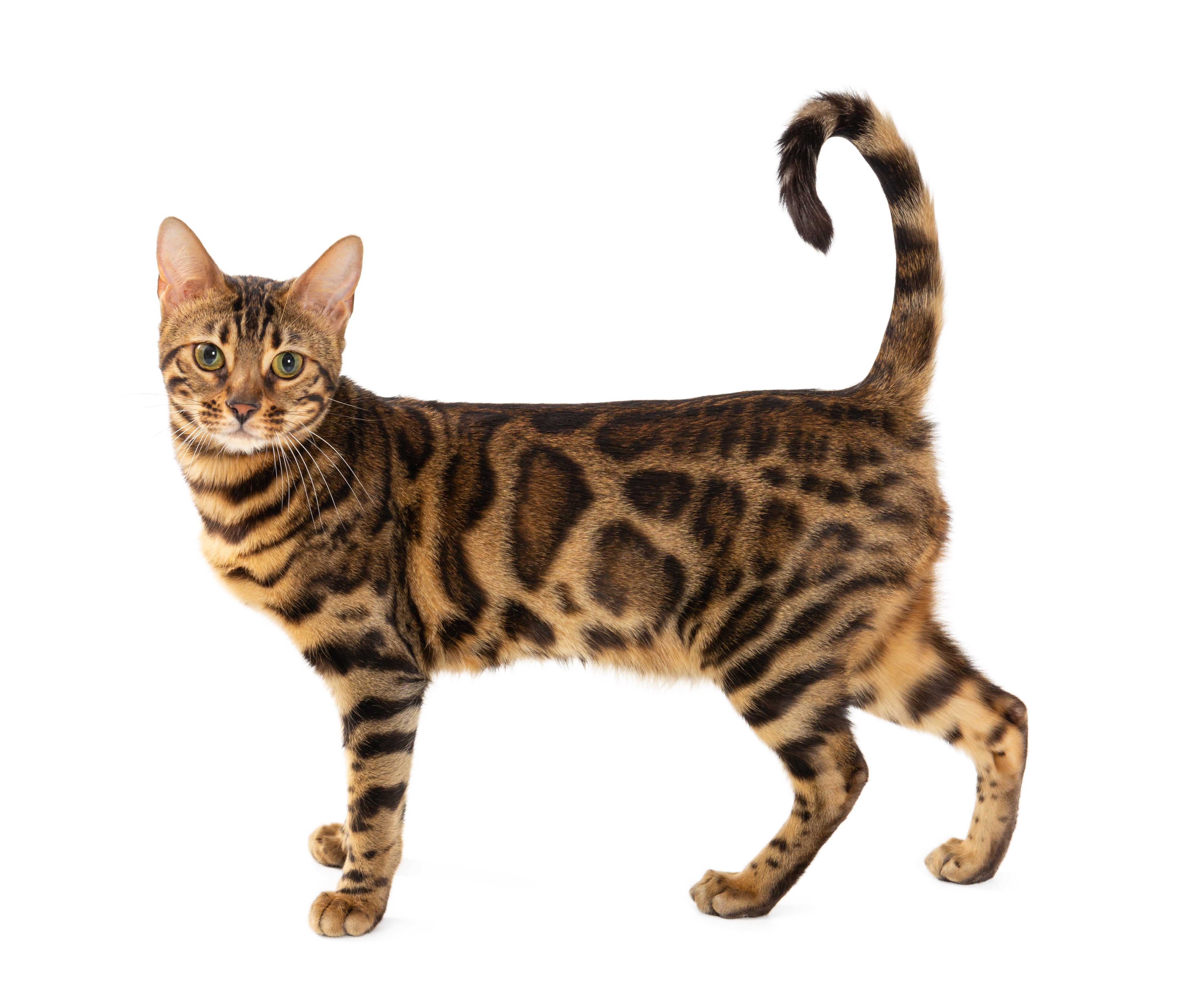
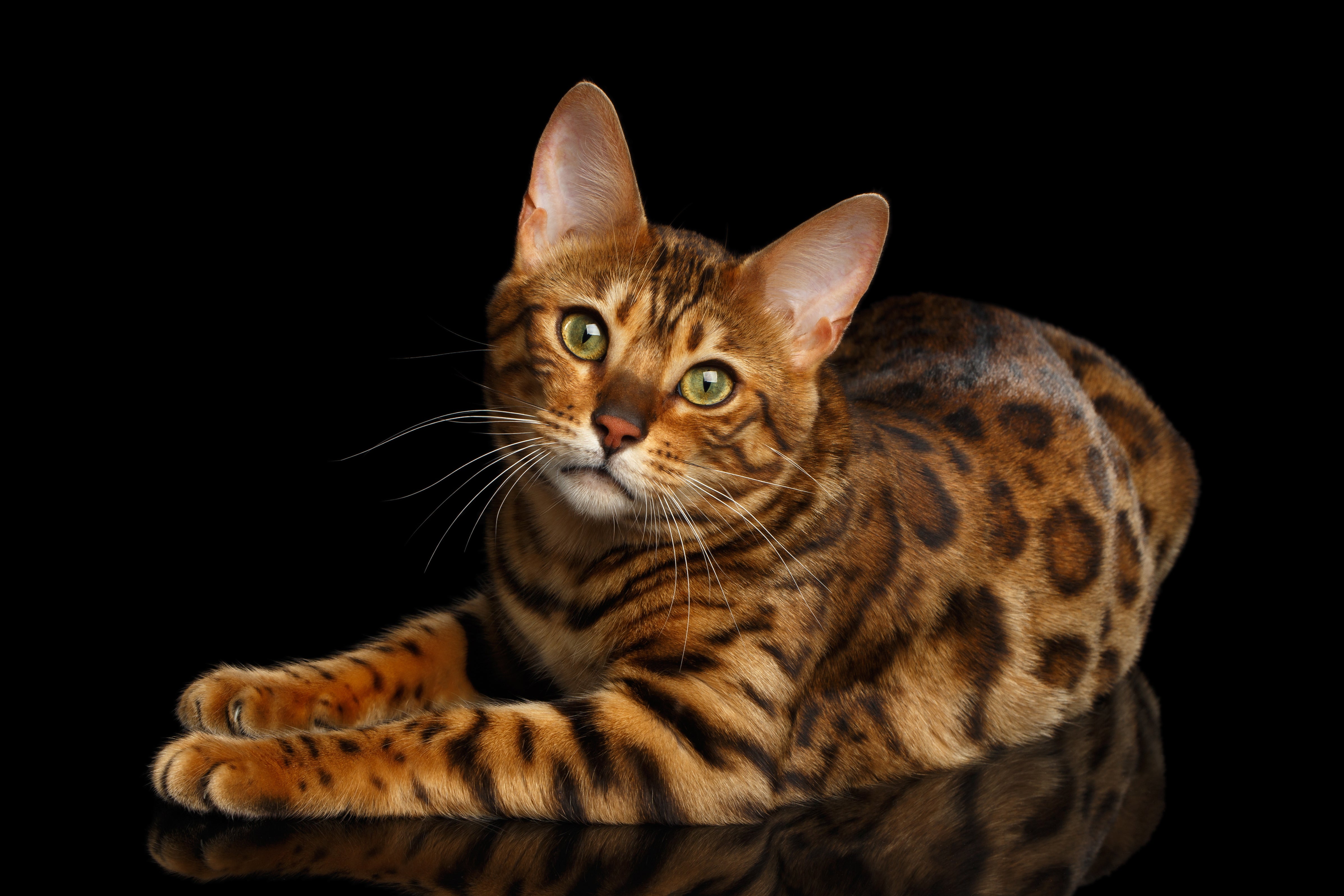
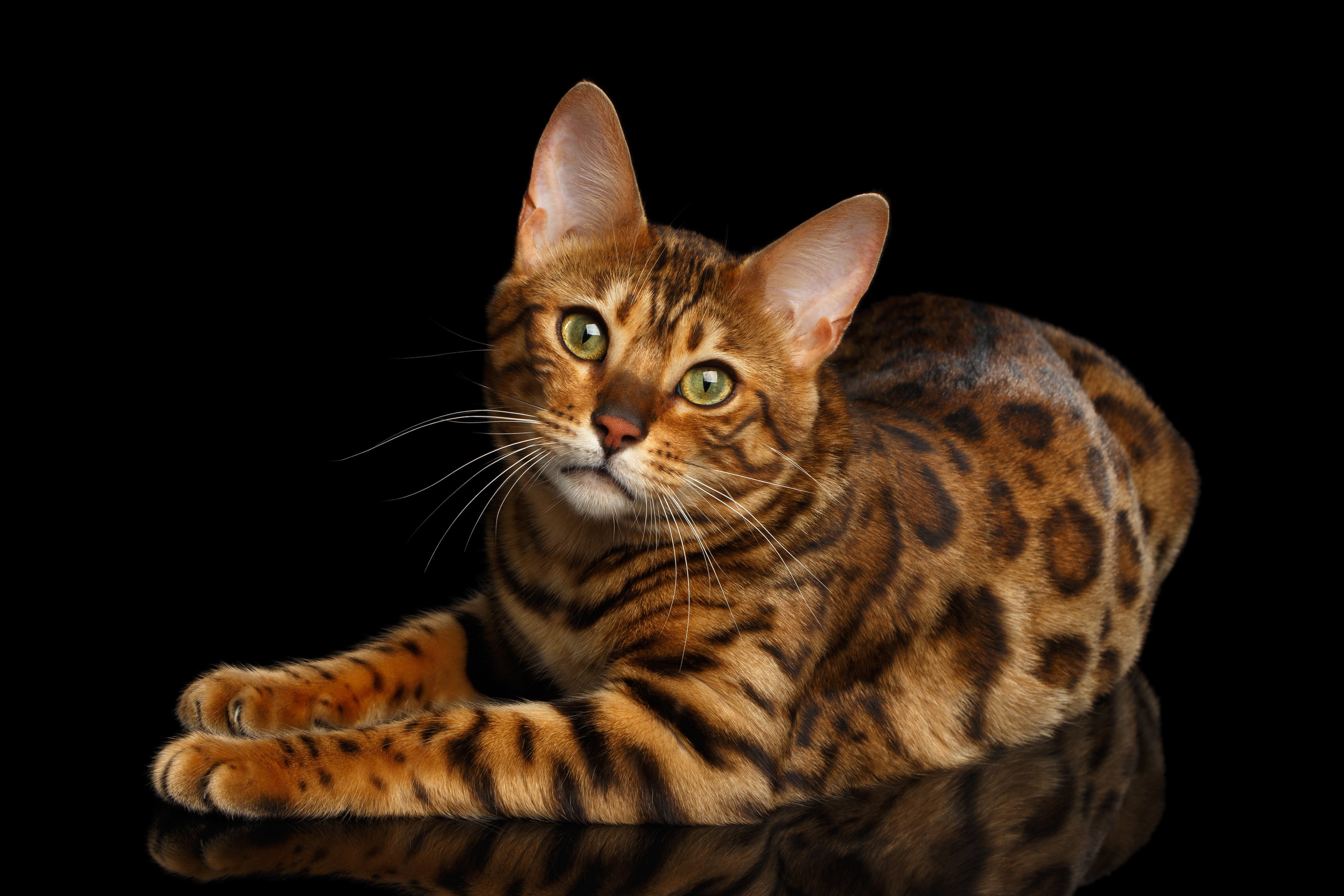
Bengals stand out with sleek, short coats covered in vivid rosettes or swirling marbled patterns. Their bodies are athletic, eyes large and alert, and tails thick and tapered. The silky fur feels almost waterproof to the touch and shimmers in shades of gold, bronze, silver, or charcoal.
Temperament
Expect a tiny explorer: Bengals love to climb, fetch, and supervise every household activity. They bond strongly with people, often following family members from room to room, and usually get along with other pets when introduced gradually.
Health
Most Bengals enjoy robust health, yet prospective guardians should request documentation of routine screenings for common feline conditions. A transparent source will share vaccination dates, deworming records, and any genetic test results without hesitation.
Benefits of Adopting a Bengal Kitten
Uniqueness
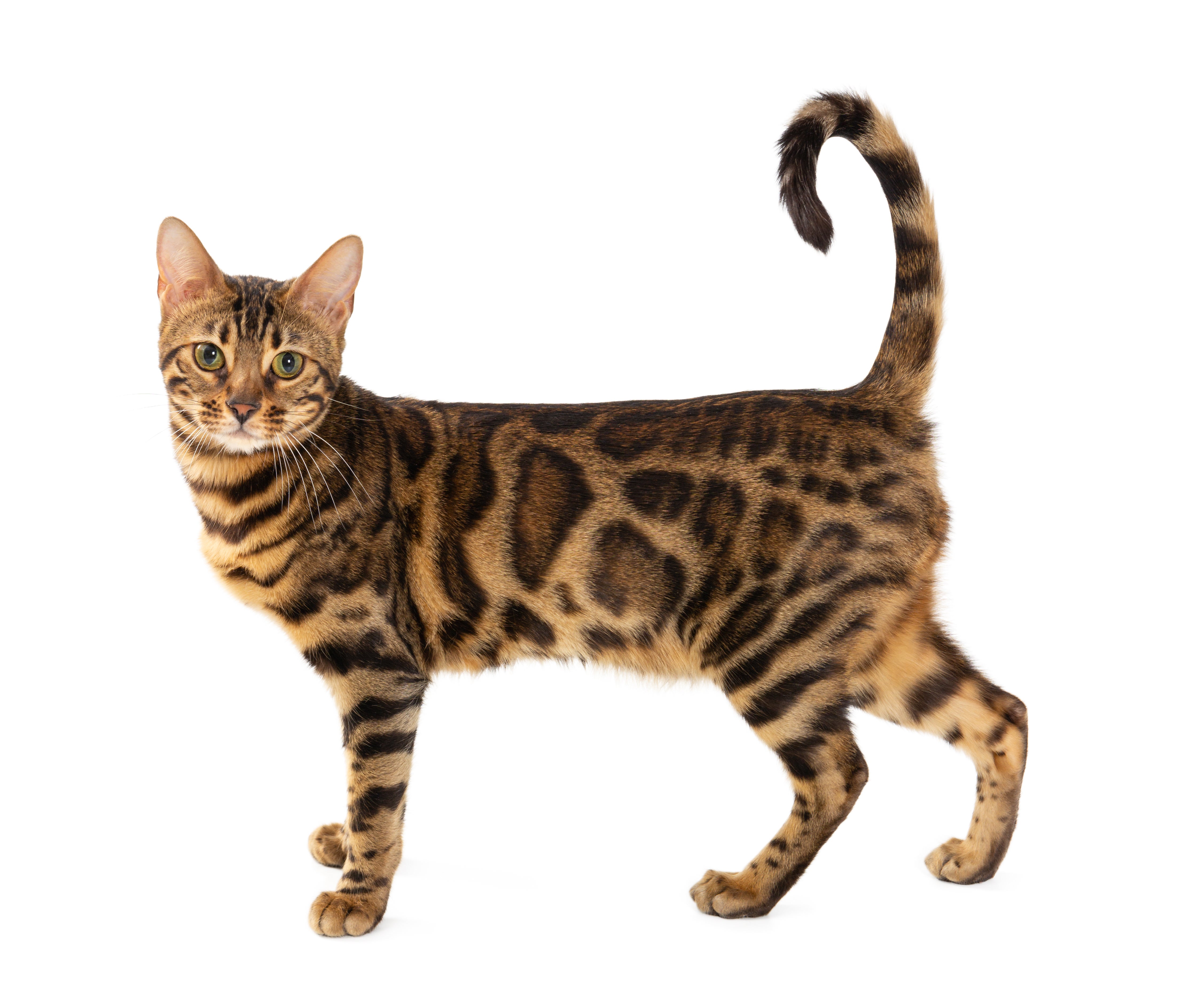
Living with a Bengal feels a bit like sharing your sofa with a miniature leopard—minus the danger. Their dramatic coats and acrobatic antics turn ordinary days into photo-worthy memories.
Bonding
Because they crave interaction, Bengals excel at learning tricks, playing fetch, and even walking on a leash. Daily games strengthen the human-animal connection and keep their bright minds busy.
Contribution to Animal Welfare
Choosing adoption gives a homeless kitten a fresh start. Shelters and foster networks are full of young Bengals and Bengal mixes waiting for families who appreciate active, affectionate cats.
The Adoption Process
Finding a Reputable Breeder or Shelter
Begin with verified rescue groups, breed-specific associations, or shelters that temperament-test their cats. Ask about return policies, spay/neuter agreements, and lifetime support.
Health Check and Vaccinations
Schedule a vet exam within the first week. Confirm core vaccines are on track and discuss parasite prevention, diet, and microchipping.
Meeting the Kitten
Watch for alert ears, clear eyes, and a willingness to engage. A playful pounce or gentle head-bump is a good sign; runny eyes or hiding could indicate stress or illness.
Adoption Agreement
Read the contract carefully. It should outline health guarantees, sterilization requirements, and the steps to take if you can no longer care for the cat.
Considerations for Potential Owners
Time and Commitment
Bengals thrive on routine exercise and mental puzzles. Plan for at least two active play sessions daily and provide climbing shelves or cat wheels to burn off steam.
Space and Resources
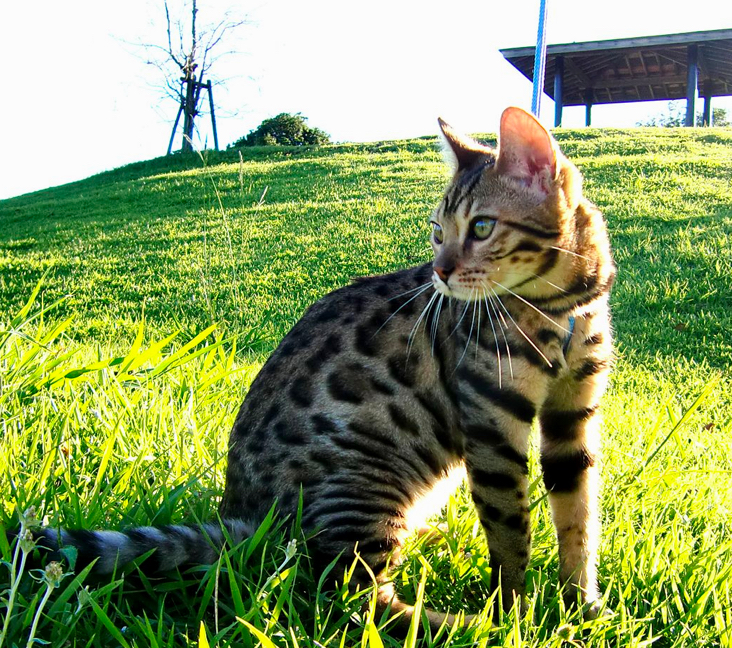
Vertical territory is essential. Tall cat trees, window perches, and safe outdoor enclosures prevent boredom-induced mischief. Multiple litter boxes and scratching posts help protect furniture.
Budget
Factor in premium food, annual vet visits, puzzle toys, and pet insurance. An emergency fund equal to a few months’ expenses ensures you’re prepared for surprises.
Conclusion
Adopting a Bengal kitten can enrich your life with laughter, loyalty, and a touch of the wild. By preparing your home, schedule, and finances, you create the stable environment these spirited cats need. In return, you gain an entertaining companion who will greet you at the door and curl up beside you at night—proof that a little leopard-shaped heart can make a big difference.
Future Research
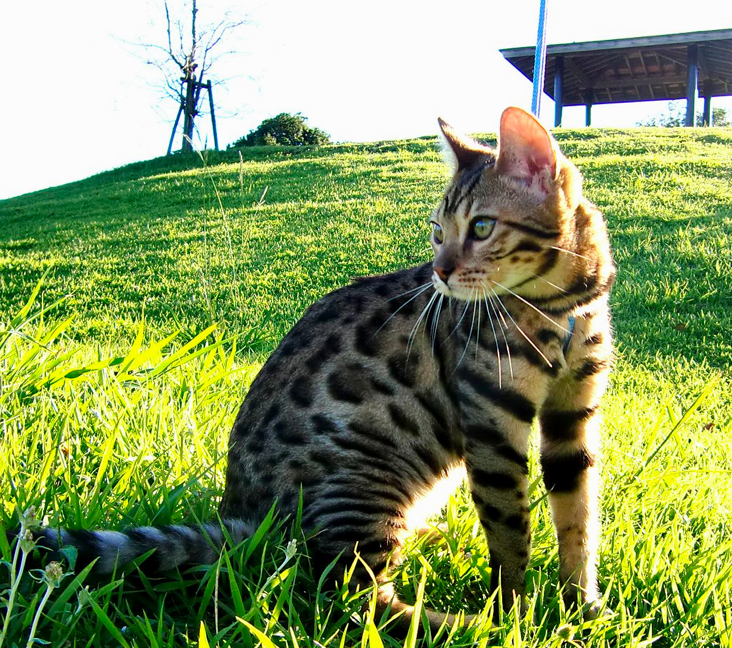
Ongoing studies into feline enrichment, breed-specific nutrition, and the human-animal bond continue to refine best practices for Bengal care. Staying informed helps guardians provide ever-better lives for their spotted sidekicks.


