



The Impact of Gentle Canine Interaction on Human-Animal Bonds and Wellness
Introduction
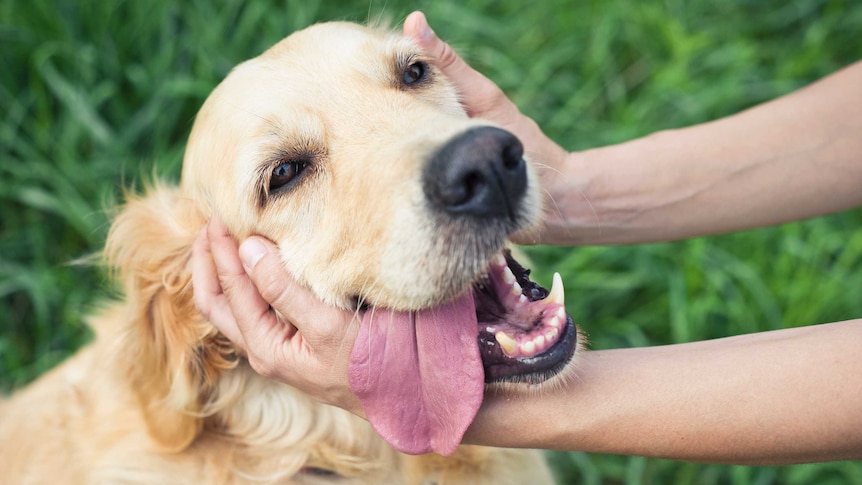
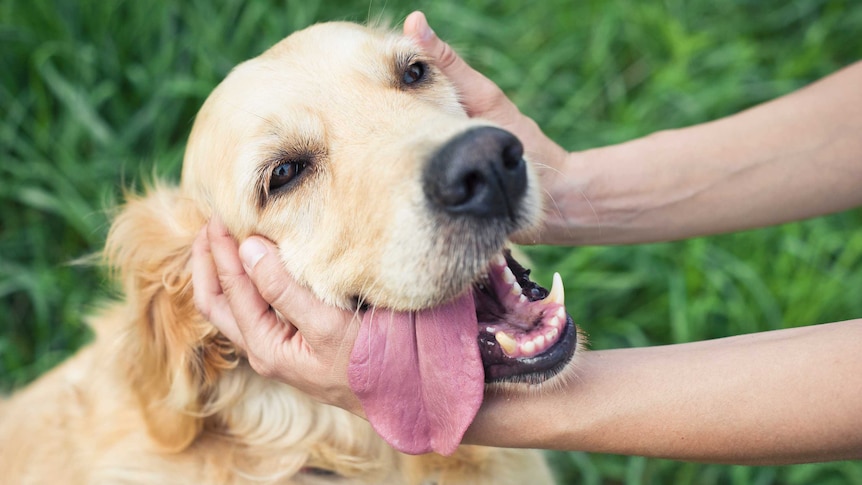
The simple act of gently stroking a dog has captured growing interest as an easy way to unwind and lift mood. This article explores how quiet moments with a friendly dog shape the way people and animals connect, and how those moments echo through mental, physical, and social well-being.
The Psychological Benefits of Gentle Canine Interaction
Calming the Mind and Offering Comfort
Soft, repetitive contact with a relaxed dog can ease tension. Heart-rate monitors and saliva tests repeatedly show lower stress markers after even brief petting sessions, making the practice attractive in hectic settings such as busy offices or during personal upheaval.
Beyond measurable chemistry, a steady canine presence supplies emotional reassurance. Quiet companionship can soften waves of worry or low mood, giving people a non-judgmental anchor when thoughts feel overwhelming.

Brightening Mood and Encouraging Positive Feelings
Touching warm fur often sparks the release of natural feel-good messengers, lifting spirits without medication. Regular visitors to dog-friendly parks frequently report brighter outlooks and greater emotional balance on days they interact with animals.
The routine itself matters: setting aside a few minutes to sit with a dog can break cycles of rumination and replace them with gentle, present-moment awareness.
The Physiological Benefits of Gentle Canine Interaction
Support for Heart Health
Blood-pressure cuffs tell a consistent story—people experience measurable dips in both systolic and diastolic readings during and after calm petting sessions. Over time, these micro-rests may complement broader heart-healthy habits.
Because the change is immediate and side-effect free, hospitals and cardiac clinics increasingly invite certified therapy dogs to visit recovering patients.
A Gentle Boost for Immunity
Early exposure to the everyday microbes carried by healthy dogs appears to train the immune system, lowering the likelihood of exaggerated allergic responses. Adults also show small but meaningful improvements in antibody activity after weeks of sustained contact with pets, suggesting the immune system stays more alert yet balanced.

The Social Benefits of Gentle Canine Interaction
Opening Doors to Conversation
A dog is a natural social bridge. Strangers exchange smiles, questions about breed, or training tips while the animal soaks up attention. These low-stakes chats foster brief moments of community that can blossom into lasting friendships.
Support groups and neighborhood gatherings increasingly schedule “dog welcome” events precisely because the animals dissolve awkwardness and give attendees something safe to discuss.
Inviting Community Participation
Volunteering at shelters or adoption fairs lets people combine civic engagement with hands-on animal time. Walks, grooming sessions, and reading programs pair citizens of every age with dogs waiting for homes, multiplying the benefits: animals receive socialization, and humans leave with elevated mood and expanded social networks.
Conclusion
Quiet canine interaction weaves together psychological calm, physical relief, and social connection into a single, accessible habit. Whether practiced on a living-room couch, a park bench, or during a structured therapy visit, the ritual strengthens the human-animal bond while quietly fortifying human health.
Recognizing these layered advantages invites individuals, educators, and health professionals to welcome friendly dogs into more everyday spaces.
Recommendations and Future Research
To deepen understanding, upcoming studies could explore:
1. Tracking mental-health changes over months or years of consistent canine interaction.
2. Comparing effects among varied age groups, cultures, and housing types.
3. Designing simple programs that weave brief dog visits into classrooms, clinics, and office break rooms.
Continued inquiry will help society tap the full, gentle power of sharing a calm moment with a four-legged friend.


