How to Rehome Puppies Responsibly on the Internet: A Practical Guide
The digital era has transformed how we connect pets with new families, and the puppy sector is no exception. Online communities, reputable listing sites, and social networks now make it possible to introduce litters to caring homes across great distances. Still, anyone offering puppies through these channels must place animal welfare and buyer education first. This overview outlines key steps—from audience insight to transparent communication—so that every transition ends with a healthy, happy pup and a well-informed guardian.
Reading the Digital Landscape
Start by learning what future owners value most: size, energy level, grooming needs, or compatibility with children. Browse forums, read rescue stories, and note recurring questions. This background clarifies how to present your pups in language that reassures and informs.
Pinpointing Future Guardians
Picture the household that suits the litter you have: active hikers, quiet seniors, or first-time owners seeking an easy-going companion. Draft simple profiles of these ideal matches; later, your photos and descriptions can speak directly to their lifestyles and concerns.
Surveying Other Ethical Matchmakers
Look at well-regarded breeders, shelters, and foster networks that post online. Observe tone, transparency, and the way they share health updates. Borrow the practices that feel honest and skip flashy shortcuts that hide facts or rush visits.
Rules and Responsibilities
Each region sets its own standards for animal transfers. Learn the basics: minimum weaning age, required health statements, and any local registration. Following these rules protects the pups and preserves your reputation.
Securing Permits and Paperwork
Contact your city or county office for guidance on kennel or seller permits. Keep vet records, deworming dates, and diet notes in one folder so they can travel with the pup. Clear paperwork signals professionalism and care.
Committing to Transparent Care
Show daily life: meals, play areas, and socialization moments. Invite questions about parent dogs’ temperaments and share both strengths and challenges. Honesty today prevents returns tomorrow.
Spreading the Word Thoughtfully
Once your house is in order, craft a calm, factual campaign that highlights well-being over speed. Emphasize lifetime support, health checks, and a take-back promise if circumstances change.
Leveraging Social Networks
Post short clips of puppies exploring safe toys or meeting gentle visitors. Answer comments kindly and publicly so newcomers see your responsiveness. Schedule live Q&A sessions to dispel myths about breed traits or training timelines.

Building a Simple, Trustworthy Site
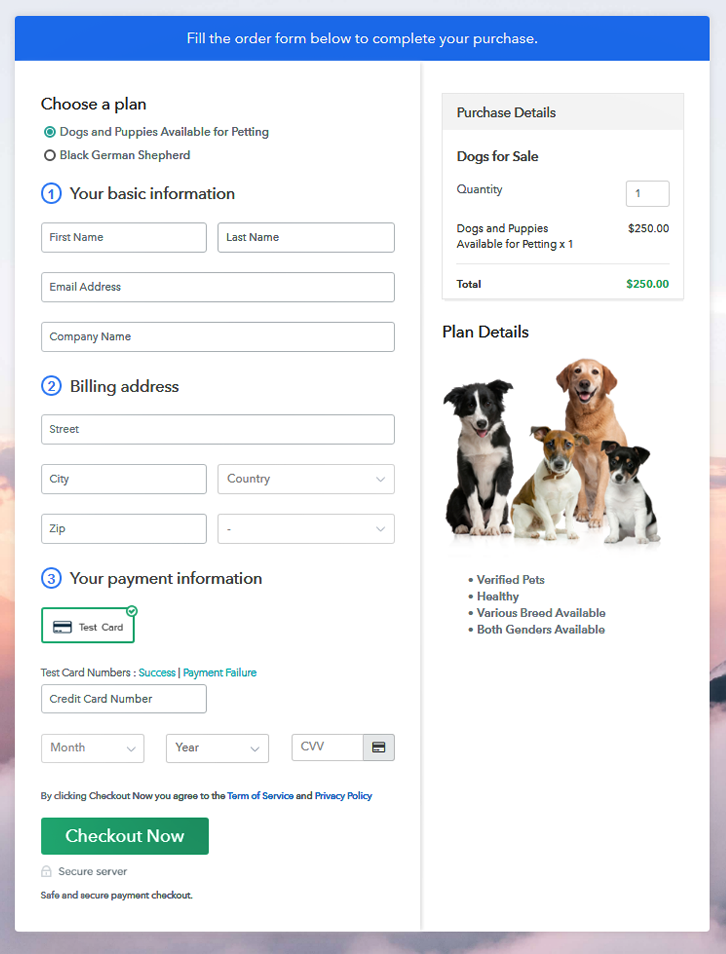
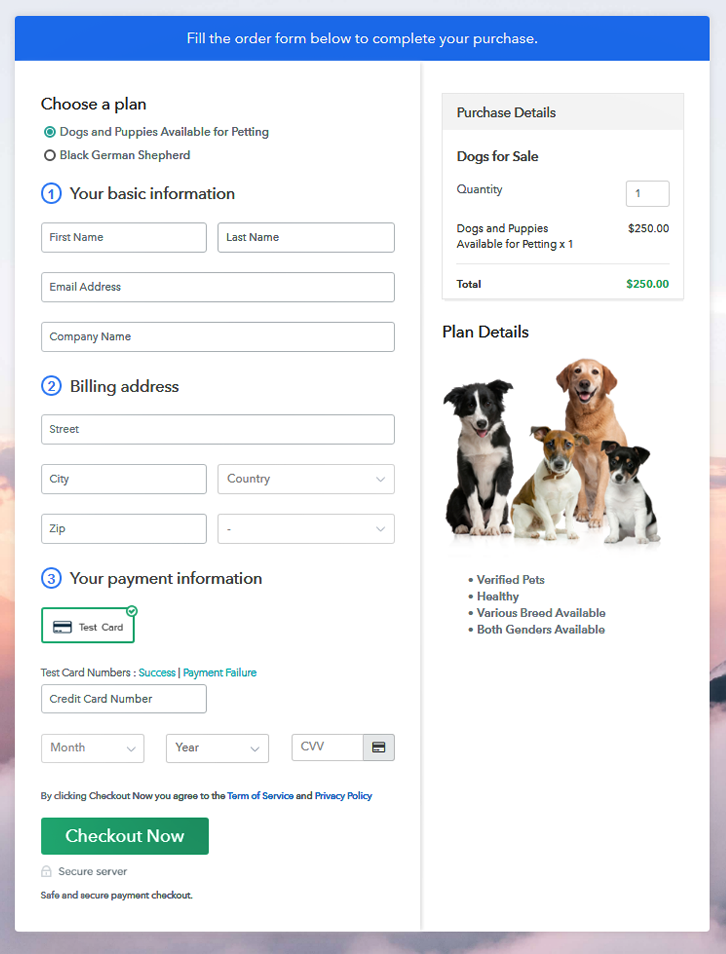
A clean one-page site can outline your philosophy, show recent photos, and offer a secure contact form. Add an FAQ covering vaccination schedules, transition tips, and the steps you take to screen applicants.
Partnering with Pet-Friendly Voices
Offer local trainers or vet techs a behind-the-scenes look. If they share their visit or review your setup, their endorsement reaches owners who value expert eyes.
Delivering Lifetime Support
Good service does not end when the pup leaves. Quick replies, follow-up check-ins, and reliable guidance turn new owners into lifelong advocates.

Answering Inquiries Quickly
Set a daily window to return calls or messages. Use friendly, non-judgmental language and attach relevant articles on house-training or crate introduction. Speed and courtesy build confidence.
Guiding Families After Adoption
Send new guardians home with a starter kit: a small supply of current food, a familiar toy, and a printed schedule for feeding and potty breaks. Encourage them to update you; celebrate milestones together.
Closing Thoughts
Rehoming puppies online can strengthen the human-animal bond when guided by honesty, patience, and ongoing education. Keep the pups’ welfare at the center, respect regional rules, and treat every inquiry as the beginning of a long relationship. Done thoughtfully, digital matchmaking creates happy tails on both ends of the leash.