The Impact of Shelter Dogs: A Comprehensive Overview
Introduction
Shelters house millions of dogs each year, acting as a temporary refuge for those who are lost, abandoned, or surrendered. While these facilities strive to provide safety and care, they often struggle with limited space, funding, and staffing. This article explores how dogs experience life in shelters, the obstacles that hinder their well-being, and practical steps communities can take to improve outcomes for every animal that walks through the door.
The State of Shelter Dogs
Overpopulation
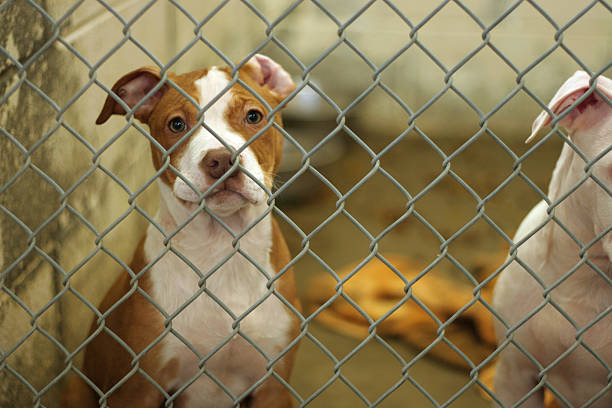
High intake numbers remain the single biggest pressure on shelters. When more dogs arrive than leave, kennels fill quickly, stretching staff and resources thin. Overcrowded conditions can heighten stress, increase noise levels, and reduce the time employees can devote to individual animals, all of which lower a dog’s chances of making a positive impression on visitors.
Health Concerns
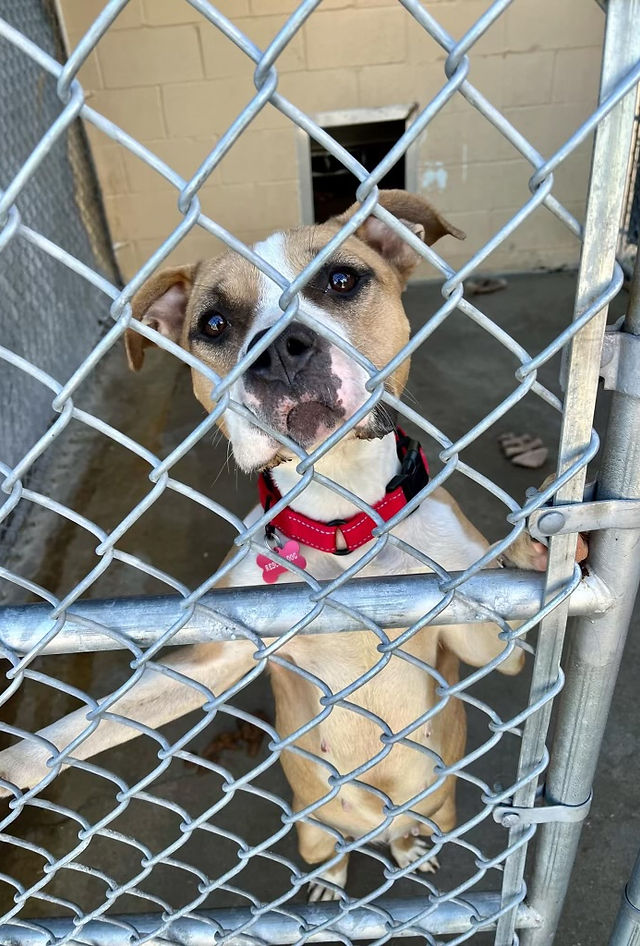
Dense housing makes disease control difficult. Coughs, parasites, and skin conditions can spread before symptoms are noticed, and tight budgets may delay routine vaccinations or timely treatment. Even minor ailments can escalate when veterinary visits are postponed, turning manageable issues into adoption barriers.
The Challenges Shelter Dogs Face
Limited Resources
Food, bedding, enrichment toys, and medical supplies cost money many shelters simply do not have. When donations dip or grants fall through, managers must make hard choices about which needs to meet first, sometimes cutting back on non-essential items that nevertheless improve quality of life.
Behavioral Struggles
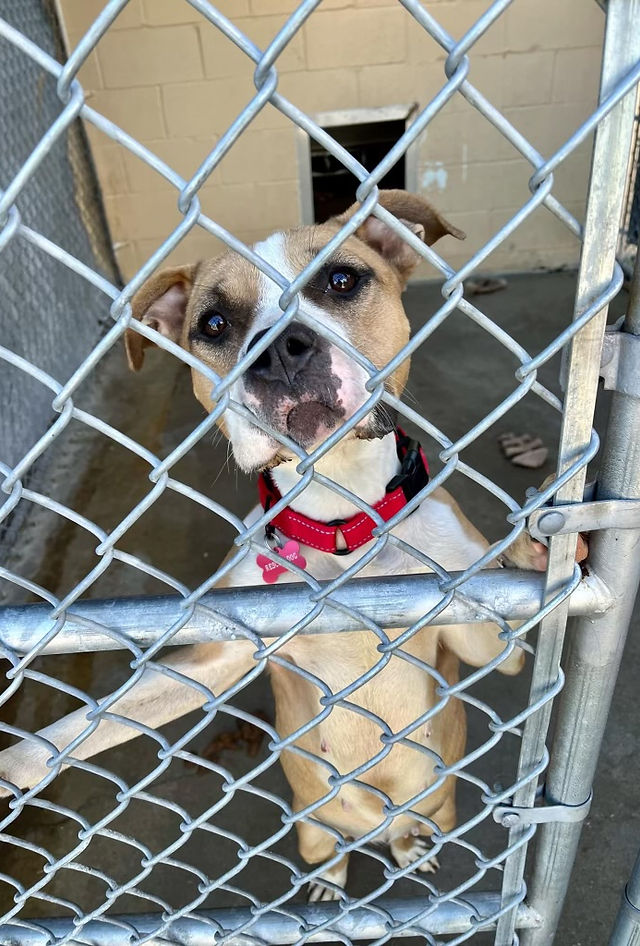
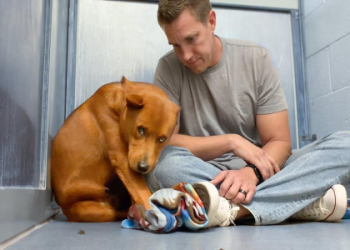
Kennel life is stressful: constant barking, unpredictable routines, and minimal exercise can push normally calm dogs into repetitive pacing or withdrawal. Without daily training and mental stimulation, these stress behaviors solidify, frightening away families who might otherwise offer a loving home.
Ethical Decisions
Staff members carry the emotional weight of deciding which dogs can be safely placed and which cannot. Balancing public safety, available space, and each animal’s welfare creates daily moral dilemmas that take a toll on even the most experienced caregivers.
Potential Solutions
Spay and Neuter Campaigns
Affordable surgery programs remain the most humane way to prevent unwanted litters. Mobile clinics, voucher systems, and partnerships with private veterinarians can reduce intake at the source, easing pressure on kennels and allowing shelters to focus resources on dogs already in their care.

Community Engagement
Volunteers who walk dogs, run adoption events, or foster underage puppies free up kennel space and provide invaluable socialization. School visits, social-media campaigns, and meet-and-greet days also shift public perception from “sad shelter dog” to “great family companion,” increasing adoption rates.
Enhanced Enrichment
Simple changes—soft music, daily playgroups, frozen treat puzzles, and quiet bonding sessions with volunteers—lower cortisol levels and keep minds active. When dogs sleep better, bark less, and greet visitors calmly, first impressions improve and adoption paperwork moves faster.
Policy Improvements
Stronger animal-welfare statutes, mandatory licensing, and incentives for adoption over purchase can steer community behavior. Clear guidelines on holding periods, medical care standards, and record-keeping also protect both animals and the people who care for them.

Case Studies and Success Stories
A Progressive City Shelter
One coastal city reduced euthanasia by two-thirds in five years after combining free spay/neuter transport, a robust foster network, and daily training classes for every adoptable dog. Their live-release rate now exceeds ninety percent, proving that coordinated efforts produce measurable change.
A Regional No-Kill Coalition
A network of rural and urban shelters began sharing data, transferring animals to areas with higher demand, and holding monthly super-adoption events. By pooling resources and marketing creatively, the coalition reached no-kill status across three counties previously overwhelmed by intake.
Conclusion
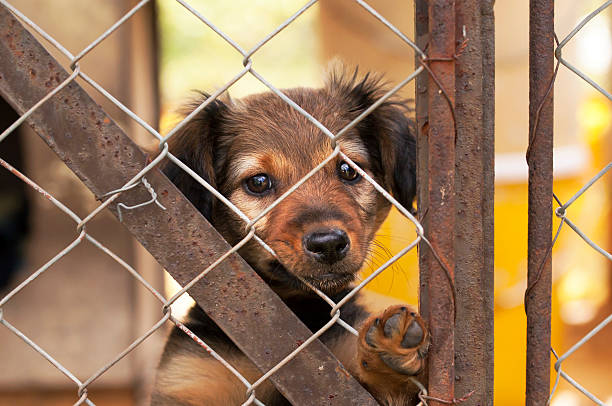
Shelter dogs face real hurdles, but none are insurmountable. Preventing unwanted births, enriching daily life, and involving the public as partners can transform crowded facilities into way-stations on the road home. The successes already achieved show that compassion, coupled with practical action, saves lives and strengthens entire communities.
Recommendations and Future Research
To build on existing progress, stakeholders should:
1. Secure steady operational funding so shelters can budget beyond crisis mode.
2. Expand low-cost spay/neuter services to every neighborhood.
3. Develop standardized behavior-assessment and rehabilitation protocols.
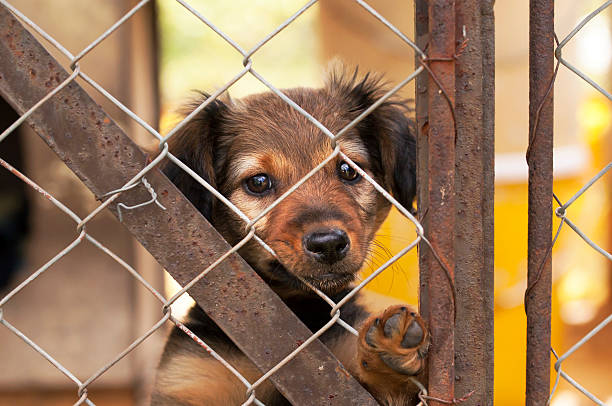
4. Promote adoption through inclusive marketing that highlights each dog’s personality.
Future studies could examine:
1. Long-term health and behavior outcomes for dogs adopted after foster care.
2. Cost-benefit analyses of enrichment programs versus length of stay.
3. Community-level factors that predict high or low shelter intake.
Continued research and open collaboration will keep more dogs moving safely from shelter kennels to living-room couches.