



Title: The Dog’s Living Space: Why It Matters and How It Shapes Everyday Life
Introduction:
A dog’s living space is far more than four walls and a roof; it is the daily backdrop that shapes health, mood, and manners. This article looks at why that environment is so influential, which features matter most, and how anyone can refine a home—large or small—to give dogs a safer, happier life alongside their human families.
Understanding the Dog’s Living Space
The phrase covers every zone a dog uses: sleeping corners, play areas, garden patches, and even the invisible “emotional space” created by voices, scents, and routines. When each zone works together, the result is a setting that lets dogs rest, explore, and bond without unnecessary stress.
Why the Living Space Matters
1. Physical Health:
Clean air, safe surfaces, room to stretch, and easy access to fresh water reduce the risk of everyday injuries and support long-term fitness. A layout that encourages gentle movement—such as varied floor textures or a short staircase—can act like low-impact gym equipment for joints and muscles.

2. Mental Health:
Predictable routines paired with small surprises—rotating toys, scent trails, or window views—keep the brain active and lower boredom-based behaviors such as excessive licking or pacing. A quiet retreat spot also teaches dogs that solitude is safe, building confidence when alone.
3. Behavior:
Clear pathways, consistent feeding stations, and visible exit doors help dogs learn house rules faster. When the space itself rewards calm choices (a soft bed near family chatter, a chew zone away from walkways), polite habits become the easiest option.
Key Ingredients of a Supportive Home
1. Size and Layout:
Even modest rooms feel larger when furniture leaves a circular route for trotting. Raised beds or wall-mounted shelves free up floor area and create vertical territory, giving small homes extra “square footage” without renovation.
2. Safety:
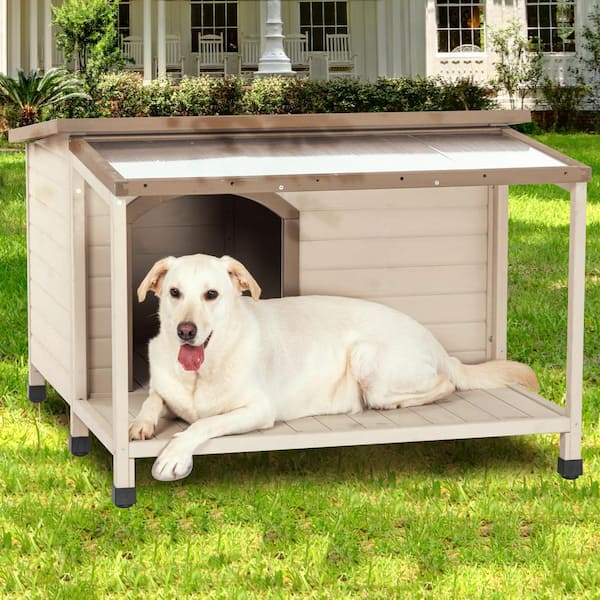
Check every corner from nose level: cover sockets, secure dangling cords, and store cleaning products behind latches. Outdoors, inspect fences for gaps and remove plants that may irritate skin or stomach. A simple nightly sweep for dropped items prevents midnight vet visits.
3. Social Interaction:
Place beds at the edge of communal zones so dogs can observe without blocking foot traffic. Schedule short, positive hand-feeding moments in these spots; the location itself soon signals that good things happen when people approach.
4. Enrichment:
Rotate three toy categories—chew, puzzle, and plush—every few days to keep novelty high. Scatter meals across a snuffle mat or safe lawn to turn eating into a treasure hunt. Five-minute “find it” games exhaust the mind faster than a long, repetitive walk.

What Science and Trainers Say
Peer-reviewed work in veterinary behavior journals repeatedly links enriched environments with lower cortisol levels and fewer unwanted behaviors. Leading trainers echo the theme: dogs thrive when daily life includes choice, challenge, and predictable rewards.
Common Hurdles and Practical Fixes
Tight quarters, tight budgets, or busy schedules can feel limiting, yet small tweaks yield big gains:
1. Use foldable gates to create pop-up play zones, and store toys in hanging shoe organizers to save floor space.
2. Book a single consult with a certified trainer to design a custom enrichment plan rather than guessing which products to buy.
3. Stream reputable webinars during commutes; fifteen minutes of expert listening can replace hours of trial and error.
Conclusion
A thoughtfully arranged living space is one of the fastest, most affordable ways to improve a dog’s quality of life. When safety, comfort, and mental stimulation come together, the bond between dog and human deepens—and the home becomes a shared retreat rather than a management headache.
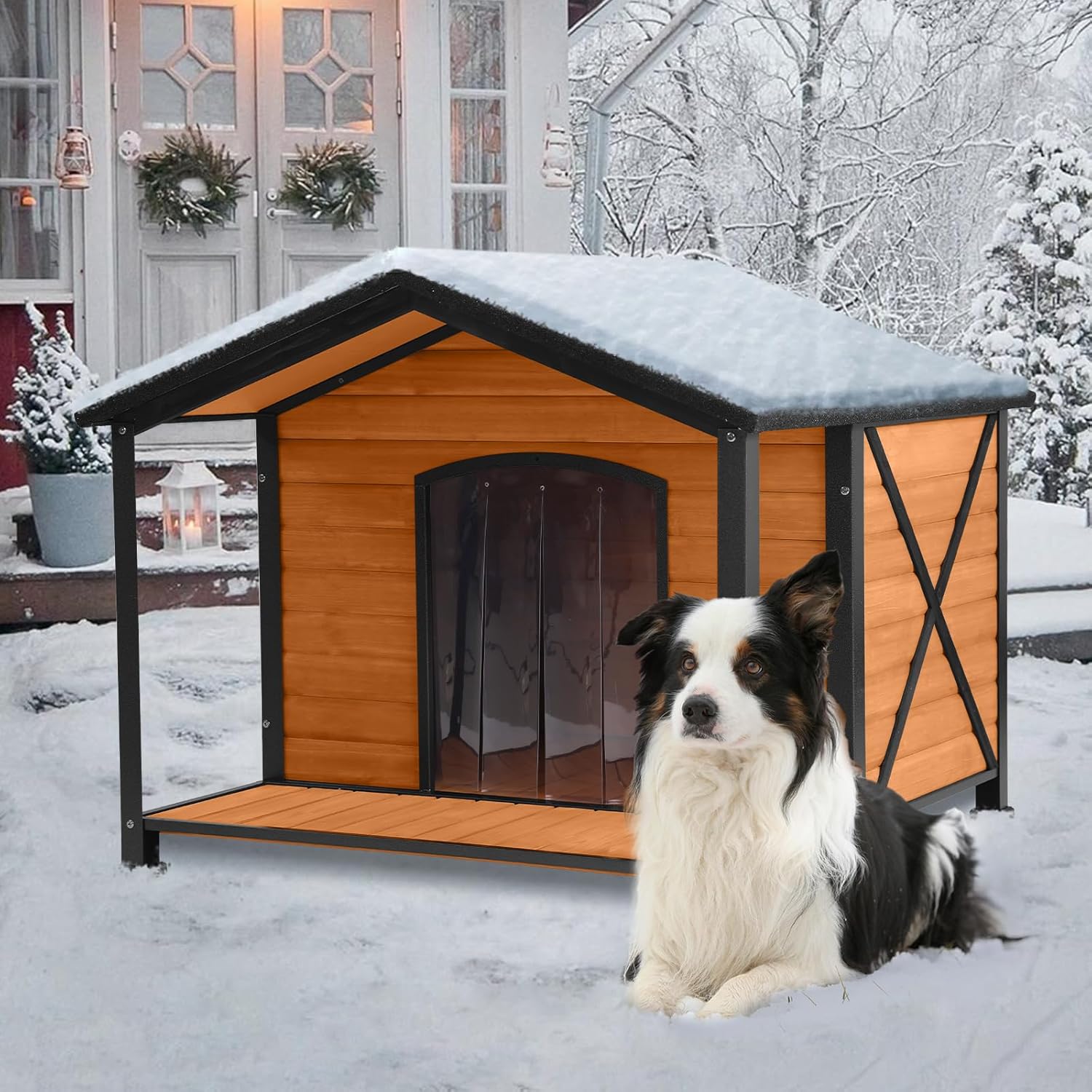
By viewing every room, hallway, and garden patch through a dog’s eyes, owners create an environment where tails wag more and worries shrink. The payoff is a calmer, healthier companion who enriches family life in return.


