Title: Online Pet Food: A Broad Overview
Introduction:
Ordering dog food through major marketplaces has grown increasingly common. As digital shopping becomes routine, many caregivers turn to well-known platforms to stock up on kibble, cans, and treats. This overview explores the practical side of buying canine meals online, weighing convenience against caution, and considers how the trend is reshaping expectations among shoppers and suppliers alike.
Quality Considerations
Nutritional value is always top of mind. Web-based storefronts host everything from premium, grain-free recipes to economy lines. Because listings come from many independent vendors, ingredient standards can differ. Reading verified buyer comments, checking label photos, and confirming expiration dates are simple steps that help guardians avoid sub-par bags.
Veterinary nutritionists remind owners that balanced formulas support healthy weight, shiny coats, and steady digestion. Foods that rely heavily on fillers or unlisted by-products may, over time, contribute to itchy skin or loose stools, so a quick label scan remains worthwhile.
Cost and Savings
Competitive pricing is a clear draw. Sellers frequently run multi-buy offers, auto-ship discounts, or free-delivery thresholds, making it easier to stay within budget. Comparison tools on most sites let shoppers line up cost per pound or calorie at a glance, removing guesswork.
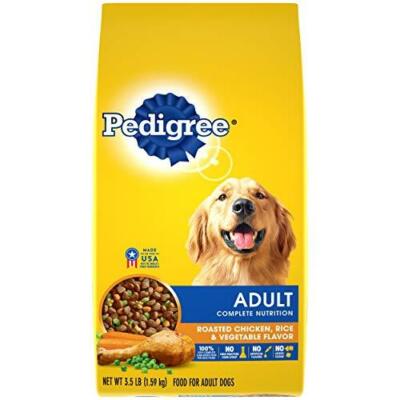
Industry surveys note that households appreciate flexible price points. Access to both boutique and mass-market brands in one virtual basket often beats driving between brick-and-mortar shops, especially for multi-dog homes.
Reviews and Community Insight
Star ratings and written feedback act as a crowdsourced quality check. Owners describe palatability, stool consistency, coat changes, and even how well the resealable strip works. Patterns emerge quickly: if several reviews mention crumbly texture or delayed shipments, newcomers can factor that into their choice.
Conversely, consistent praise for small-batch freshness or reliable customer service builds trust. Many platforms allow photo uploads, so prospective buyers can see the actual kibble shape or can texture before committing.
Market Ripple Effects
The shift toward digital carts has nudged manufacturers to tighten labeling, improve packaging durability, and offer direct-to-consumer perks. Smaller labels that once struggled for shelf space can now ship nationwide from a single warehouse, widening flavor diversity and encouraging transparent sourcing stories.
Overall market studies project steady growth for pet food e-commerce. Convenience, subscription models, and the ability to compare dozens of formulas in minutes continue to attract new shoppers, pushing the entire supply chain toward faster fulfillment and clearer product information.
Conclusion
Buying dog food online blends variety, potential savings, and doorstep convenience. A few mindful habits—scanning labels, cross-checking reviews, and introducing new diets gradually—keep the experience positive for both wallet and wagging tail. As digital marketplaces evolve, owners can expect even more tailored formulas, smarter subscription tools, and greener packaging, ensuring the next bowl is only a click away.
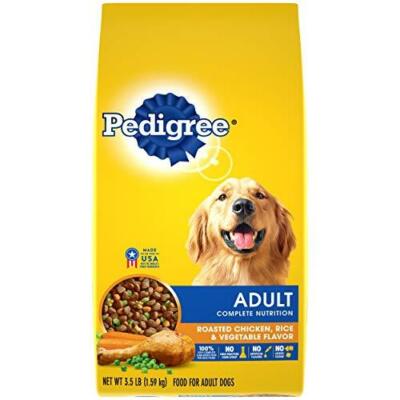
Staying curious, reading the fine print, and monitoring a pet’s response remain the best ways to turn virtual shelves into real-world wellbeing. The future of canine nutrition is increasingly online, promising broader choice and steady innovation for discerning caregivers.