


The Arctic Sled Dog: A Heritage Breed of the North
Introduction
The Arctic Sled Dog is a powerful, ancient breed that has shared the northern landscape with people for countless generations. Bred to endure extreme cold and to work closely alongside humans, these dogs remain a living symbol of resilience and partnership. This article outlines their background, traits, and enduring importance to northern communities.
Historical Background
Archaeological clues and oral traditions suggest that ancestors of today’s Arctic Sled Dog first appeared thousands of years ago across the circumpolar region. Over time, they became indispensable helpers, pulling sleds, assisting with hunting, and providing reliable companionship in places where survival depended on teamwork between people and animals.
Early visitors to the far North often remarked on the strength and spirit of the dogs they encountered. Travel journals from several centuries ago describe robust, thick-coated canines that thrived in temperatures far below freezing. The name “Arctic Sled Dog” later came into common use as explorers and settlers sought a simple way to identify these hardworking animals.
Characteristics
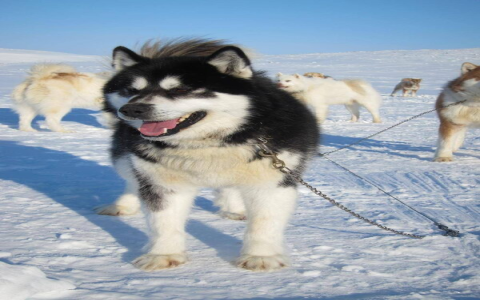
These dogs are medium to large in size, with a dense double coat that insulates against wind and snow. Coat colors vary, though contrasting shades of black and white are frequently seen. A broad chest, strong limbs, and well-padded paws give the breed the power and stability needed for long-distance travel across snow and ice.
Equally notable is their temperament. Arctic Sled Dogs tend to be intelligent, alert, and friendly. They bond readily with people and adjust surprisingly well to different living situations, from remote camps to family homes, provided they receive enough exercise and mental stimulation.
Role in Traditional Life
For many northern cultures, sled dogs were far more than transportation; they were essential partners in daily life. Teams hauled supplies, carried correspondence between settlements, and helped hunters reach distant grounds. The dogs’ endurance often meant the difference between success and hardship in an unforgiving climate.
Stories, songs, and artwork passed down through generations celebrate the dogs’ courage and loyalty. In this way, the breed became woven into cultural identity, symbolizing the deep bond between humans and the natural world.
Conservation Efforts
As snowmobiles gained popularity and lifestyles shifted, purebred sled-dog numbers declined. Enthusiasts responded by forming regional clubs dedicated to preserving traditional bloodlines. Careful record-keeping, selective breeding, and public education now help maintain healthy populations while honoring the dogs’ historic purpose.
Scientific Interest
Genetic studies confirm that the Arctic Sled Dog belongs to an ancient lineage that has remained relatively unchanged for millennia. Comparisons with other northern breeds highlight unique adaptations, such as efficient heat regulation and a cooperative pack mentality, making the dogs a fascinating subject for researchers exploring canine evolution and behavior.
Conclusion
The Arctic Sled Dog stands as a testament to adaptation, cooperation, and endurance. By supporting thoughtful breeding programs and sharing the breed’s story, present and future generations can appreciate the vital role these dogs have played—and continue to play—in northern heritage.

Recommendations and Future Research
To safeguard this legacy, communities and scientists are encouraged to:
1. Expand conservation networks that connect breeders, veterinarians, and cultural organizations.
2. Introduce school workshops and public events that teach the history and care of heritage sled dogs.
3. Continue genetic and behavioral studies that explore how traditional breeds adapt to cold climates and human partnership.
Possible areas for future investigation include:

1. Genetic diversity across different sled-dog populations.
2. The breed’s historical influence on travel and trade routes in Arctic regions.
3. Contributions these dogs can make to modern studies on exercise physiology, social behavior, and sustainable transportation alternatives.
By valuing both the past and the promise of the Arctic Sled Dog, we help ensure that their eager bark and steady pull remain part of northern life for generations to come.


