



Best Cat Food for Young Cats: A Comprehensive Guide
Introduction
Cats are cherished companions whose dietary needs evolve as they mature. Providing balanced nutrition during the early stages of life supports healthy growth, strong immunity, and playful energy. This guide outlines key nutrients, ingredient priorities, and reliable product lines to help caregivers choose meals that set kittens up for lifelong vitality.
Nutritional Requirements for Young Cats
Protein
Protein supplies the amino acids necessary for lean muscle, sturdy bones, and a resilient immune system. Look for foods that list animal-based items—such as chicken, turkey, or fish—ahead of plant sources to ensure a complete amino-acid profile.
Fat
Concentrated energy and brain-building fatty acids come from wholesome fats. Omega-3 and omega-6 chains also keep skin supple and fur glossy; fish oil, salmon meal, or flaxseed are common beneficial sources.
Carbohydrates
While cats have no strict carb requirement, modest amounts of cooked oats or brown rice can offer quick fuel and gentle fiber for smooth digestion.
Vitamins and Minerals
A balanced blend of vitamin A for vision, vitamin D for calcium use, vitamin E for cell defense, plus macro-minerals like calcium and phosphorus, helps frame healthy teeth and bones.

Ingredients to Avoid
Scan labels and skip components linked to digestive upset or safety concerns.
Artificial Additives
Synthetic dyes, flavors, or preservatives add no nutritional value and may trigger sensitivities. Natural preservatives such as mixed tocopherols (vitamin E) or rosemary extract are gentler choices.
Corn, Wheat, and Soy
These bulk grains can be hard for some kittens to process and are less biologically appropriate than animal protein. Grain-inclusive diets that rely on rice or oatmeal tend to be easier on young stomachs.

Xylitol
This sweetener appears in certain human snacks and is unsafe for felines; double-check that it is absent from any treat or meal.
Best Cat Food Brands for Young Cats
Royal Canin Kitten
Designed with tailored kibble texture and a nutrient stack aimed at growth, this line delivers balanced protein, fats, and micronutrients in several flavor varieties.
Hill’s Science Diet Kitten
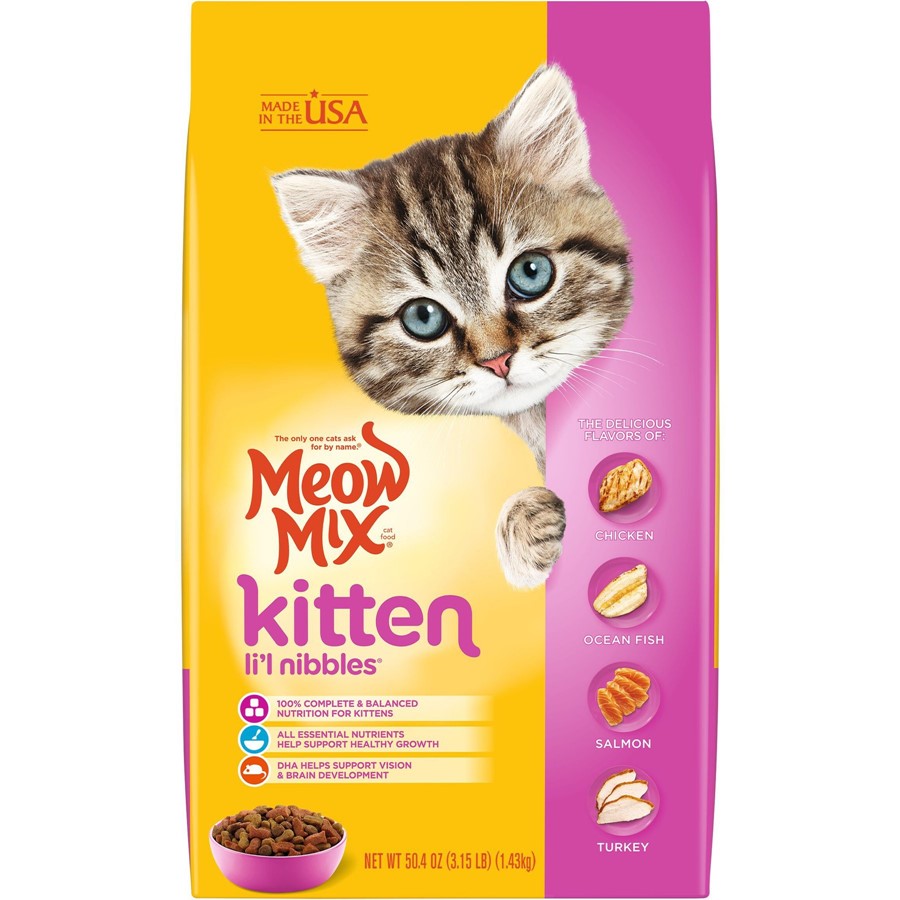
Backed by feeding trials, this range offers consistent quality, added antioxidants, and grain-free choices for kittens with suspected grain sensitivities.
Purina Pro Plan Kitten
Widely available and budget-friendly, these recipes emphasize real meat, DHA for brain support, and live probiotics for digestive steadiness.
Conclusion
Selecting a diet rich in animal protein, beneficial fats, and essential micronutrients lays the groundwork for a healthy, active kitten. Steer clear of unnecessary fillers, chemical additives, and harmful sweeteners, and consider reputable kitten-specific lines that invest in research and safety testing.
Future Research
Ongoing studies into ideal nutrient ratios, long-term health outcomes of various formulations, and strategies for smooth dietary transitions will continue to refine feeding practices, helping every young cat enjoy optimal nutrition from the start.


