


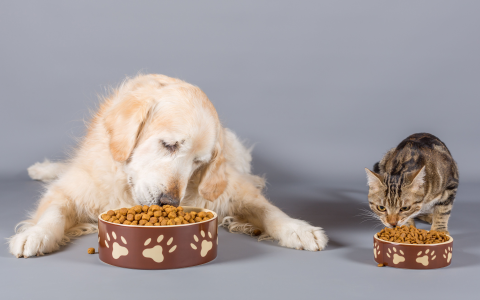
Title: The Dynamics of a Dog and Cat: A Comparative Analysis
Introduction:
The interplay between dogs and cats has fascinated people for generations. As two of the most beloved household companions, they display contrasting yet equally captivating traits. This overview explores how their social habits, ways of expressing themselves, and daily interactions shape the atmosphere of a shared home. By looking at these elements side by side, we can better understand what encourages peace or sparks tension under one roof.
Similarities in Social Structures
Both species are capable of forming social bonds, yet they organize themselves differently. Canines naturally fall into loose hierarchies when living together, often looking for guidance and cooperation. Felines, while more self-reliant, still establish subtle rankings, especially among littermates or familiar peers. These distinct styles stem from separate evolutionary journeys: dogs were gradually drawn into human communities, whereas cats retained much of their ancestral independence even after sharing hearths with people.
Field observations suggest that centuries of close contact with humans have amplified the dog’s inclination to collaborate, while the cat has preserved a flexible lifestyle that can range from solitary to selectively social.
Differences in Communication Styles
Dogs rely on an open book of tail sweeps, ear tilts, barks, and playful bows to broadcast mood and intent. Cats prefer quieter signals: the angle of whiskers, the flick of a tail tip, or a carefully timed blink carry volumes. Vocal cues differ too—canines offer a wide range of barks and whines, whereas felines keep their repertoire soft, from contented purrs to warning hisses. These habits reflect ancestral needs: dogs coordinated with packmates during group activities, while cats depended on stealth for solo hunts.
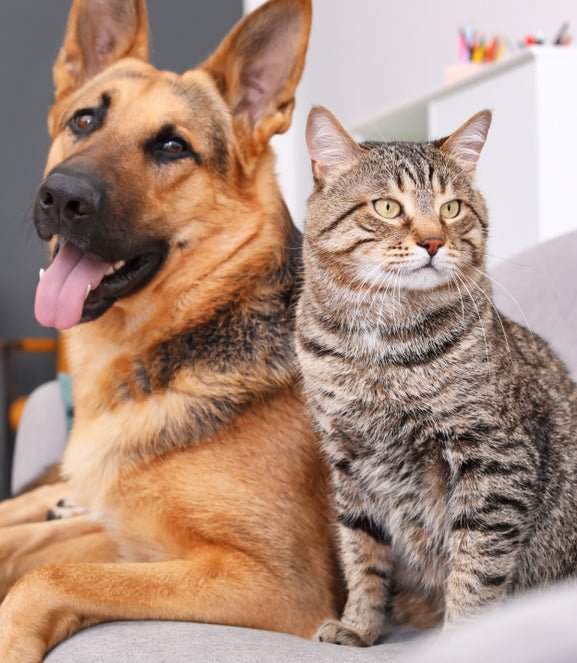
Comparative studies note that the dog’s expressiveness dovetails with human responsiveness, whereas the cat’s understated style suits an environment where silence can mean safety.
Interaction Patterns: Cooperation and Conflict
Under one roof, the two species may become inseparable playmates, polite roommates, or wary rivals. Outcomes hinge on personality, early encounters, and the pace of introduction. A confident, easy-going dog often tolerates, or even enjoys, feline company, while a cat given space and high perches can learn that the canine poses no threat. Conversely, a timid dog or a strongly territorial cat may interpret everyday movements as challenges, leading to spats.
Experts emphasize gradual, supervised meetings and consistent safe zones for the cat, allowing both animals to withdraw rather than escalate tension.
Training and Socialization: Enhancing the Relationship
Positive reinforcement teaches dogs to curb chase impulses and respect feline body language. For cats, early exposure to calm dogs can soften defensive reactions. Shared play sessions with separate toys, feeding stations placed at comfortable distances, and reward-based calm behavior all help build pleasant associations. Routine matters: predictable schedules reduce stress, while separate retreats ensure neither pet feels cornered.
Professionals recommend starting introductions during the sensitive juvenile period for both species, yet gentle patience can still improve relations later in life.
Conclusion
The dog-cat dynamic is less a fixed rivalry and more a negotiable partnership shaped by individual temperament, early experience, and thoughtful management. Recognizing each animal’s signals, providing safe personal zones, and reinforcing calm encounters allow many households to enjoy the rich, sometimes comical, blend of canine enthusiasm and feline finesse. Continued observation and gentle guidance remain the surest path to harmony, reminding us that friendship can flourish even across species lines.
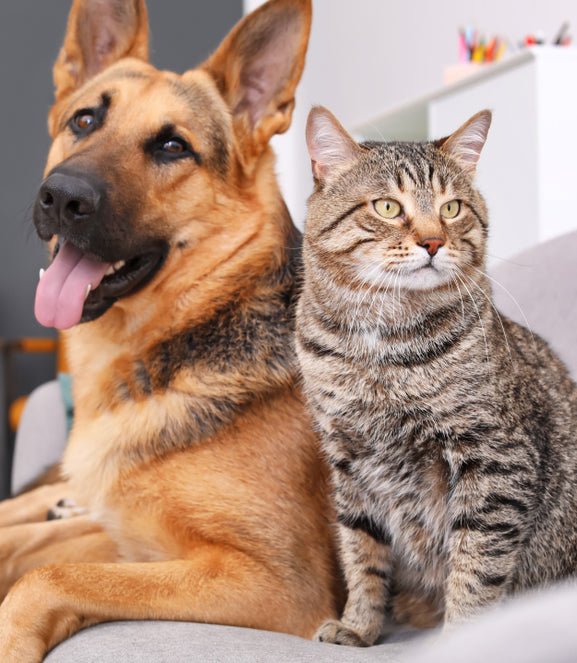
Understanding these everyday interactions not only enriches daily life for the animals but also deepens the human-animal bond, offering a peaceful, multi-species home that celebrates the best of both worlds.


