Parrots in Large Pet Stores: A Balanced Look at Retail Practices and Bird Welfare
Introduction
The companion-animal sector keeps expanding, and big-box pet outlets now stock everything from goldfish to geckos. Among the most eye-catching displays are the vivid parrots perched in glass enclosures. This overview explores how these birds arrive on the sales floor, how their needs are met, and what their presence means for shoppers, retailers, and the birds themselves.
The Popularity of Parrots as Pets
Parrots: A Popular Choice Among Pet Lovers
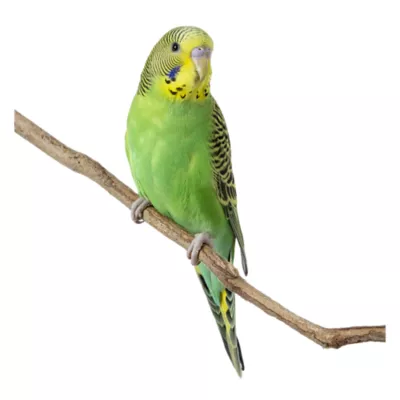
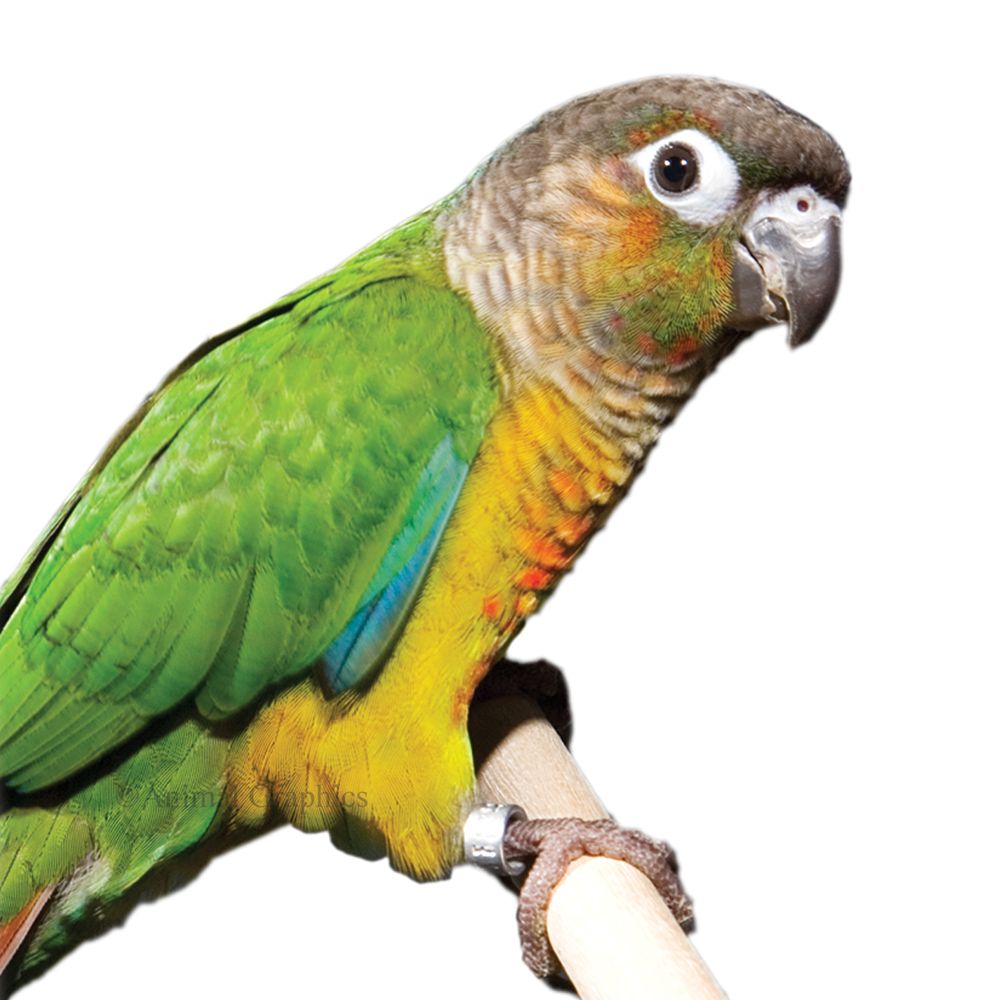
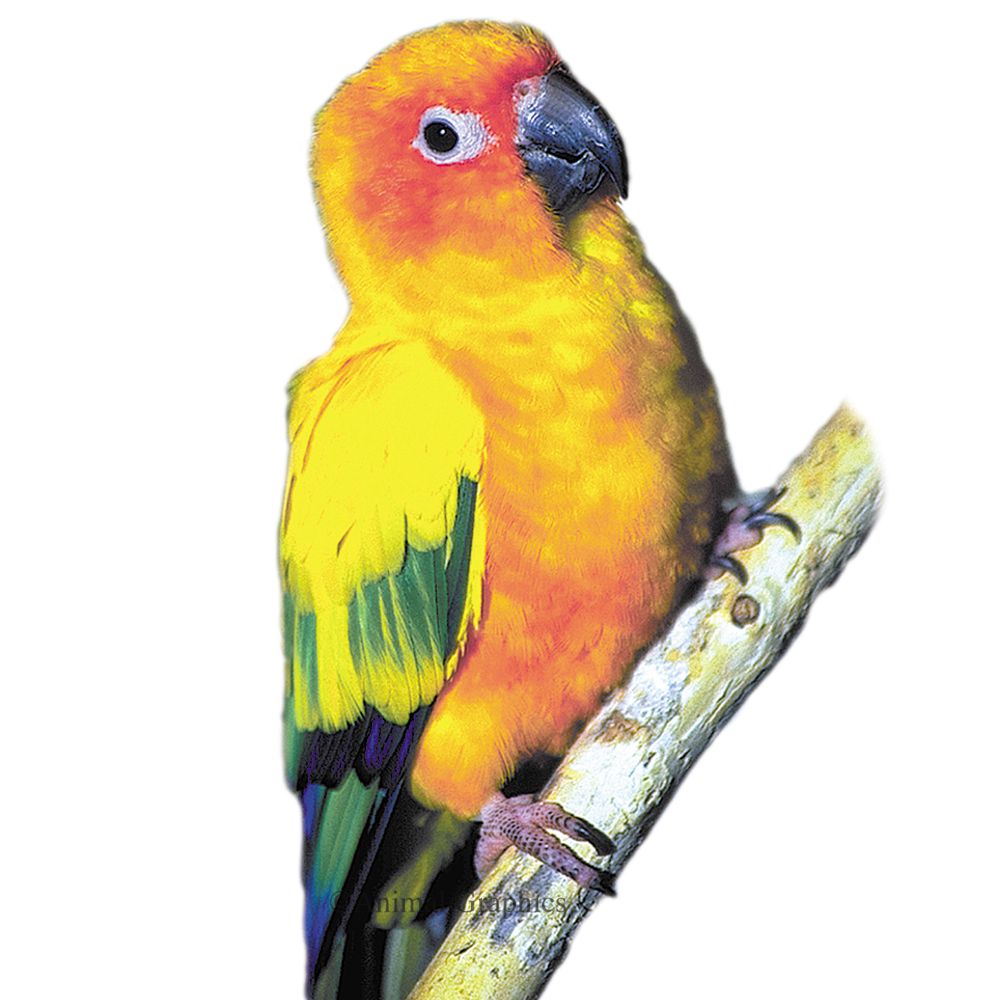
Bright plumage, quick minds, and an uncanny talent for copying sounds make parrots perennial favorites. Chain stores respond by carrying several crowd-pleasing species—think budgies, conures, and cockatiels—each with its own charm and care sheet.
Retailing Practices in Major Pet Stores
Understanding the Retailing Process at Large Chains
Typical protocol starts with climate-controlled habitats, daily fresh food, and filtered water. Employees receive basic training so they can outline diet, lifespan, and cage size to prospective buyers. Still, constant foot traffic, fluorescent lights, and intermittent handling can stress birds adapted to flock life and steady routines.
Avian Welfare in Retail Settings
Evaluating Avian Welfare in Retail Environments
Even well-intentioned shops face built-in challenges when housing intelligent, long-lived parrots. Key welfare points include:
Housing Conditions
Barred enclosures must allow wing-stretching and short flights, yet floor space is often limited. Overcrowding or bare cages can trigger feather-plucking or repetitive pacing.
Social Interaction
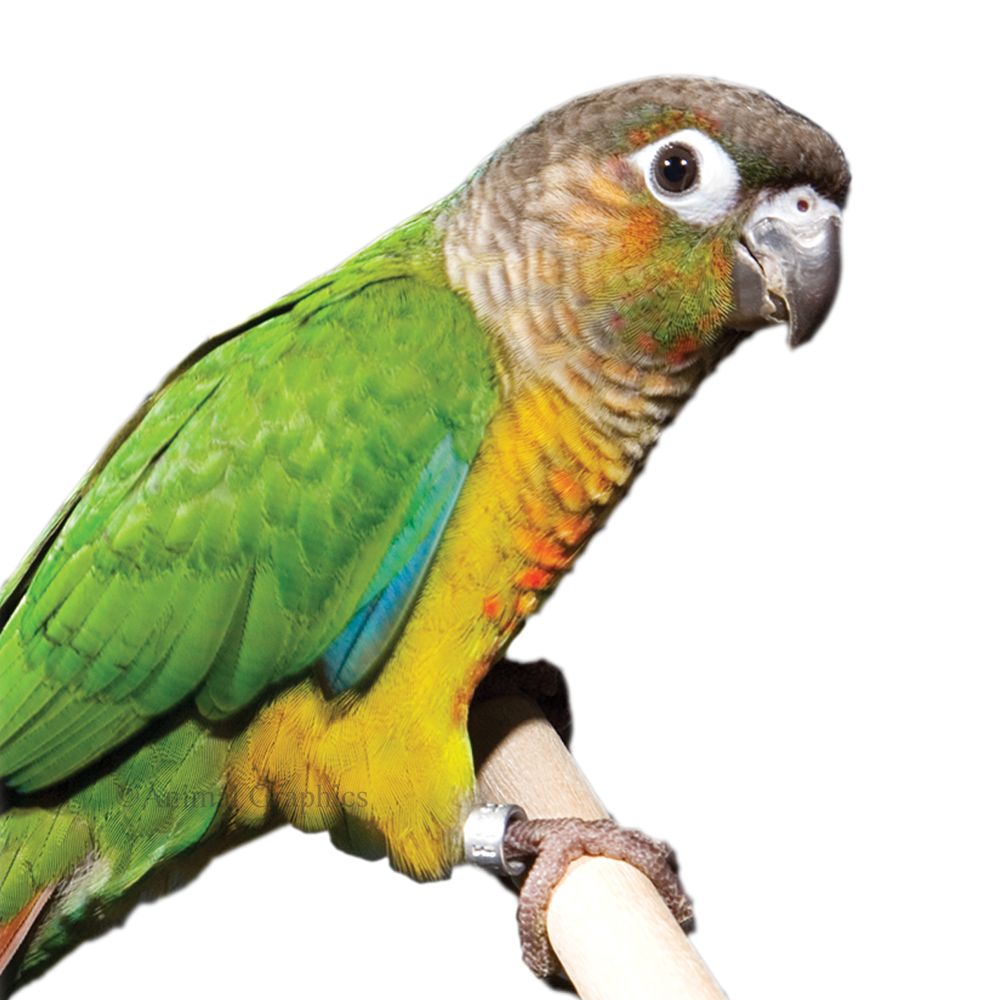
Parrots crave companionship. Brief customer encounters rarely replace the steady social bond the birds evolved to expect, leaving some individuals withdrawn or noisy in protest.
Health and Nutrition
Seed cups alone seldom match the varied diet of wild parrots. Stores that add chopped produce, pellets, and foraging toys give birds a better nutritional head start.
The Role of Consumer Awareness
Empowering Pet Owners to Make Informed Choices
Buyers who research lifespan (often decades), noise level, and space requirements are less likely to impulse-purchase. Clear signage, care handouts, and staff questions about living arrangements all help match the right bird to the right home.
The Broader Implications
Parrots in Pet Stores: A Reflection on the Pet Industry
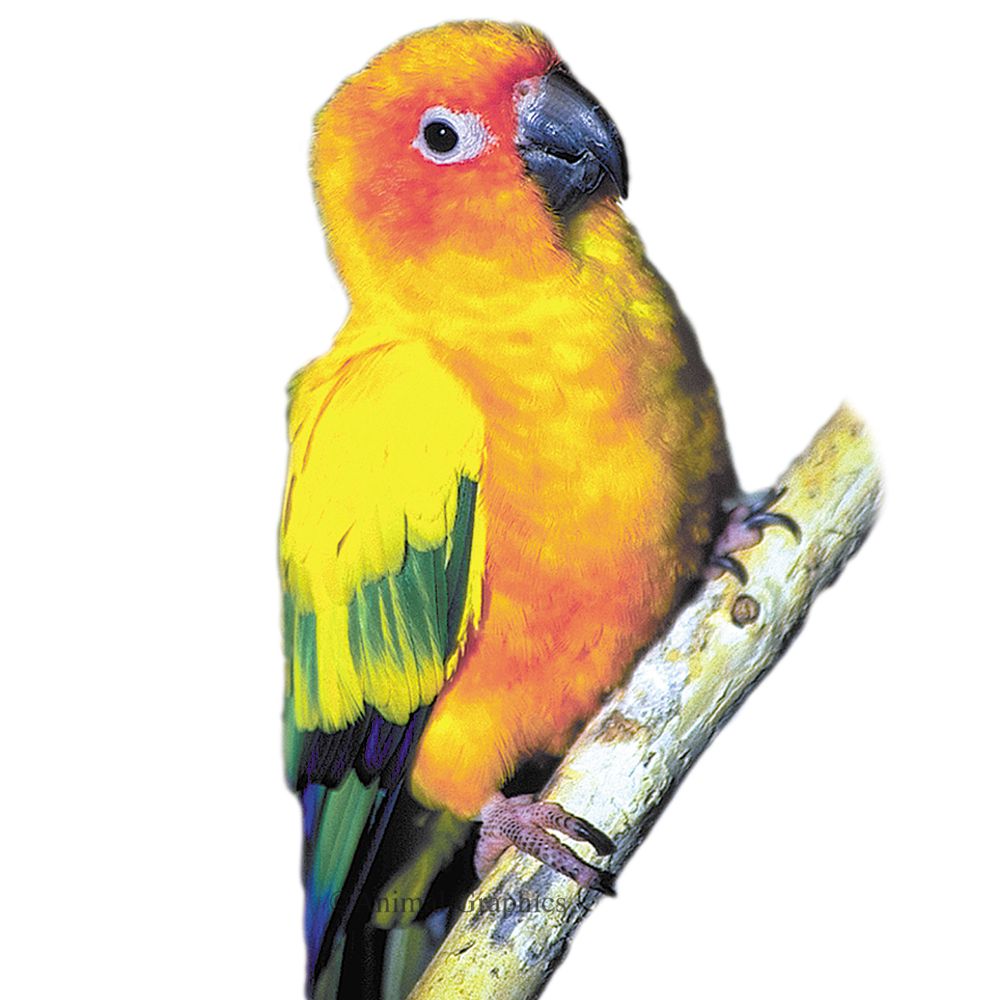
Displaying sentient, long-lived animals raises ethical questions about profit versus welfare. The debate encourages tighter welfare guidelines, stronger vendor oversight, and greater transparency about sourcing and post-sale support.
Conclusion
Parrots on the sales floor spotlight the tension between commerce and compassion. While chain stores can provide veterinary checks and standardized care, the species’ complex social and emotional needs stretch beyond any temporary enclosure. Continued education, adoption incentives, and evidence-based welfare standards remain essential if these charismatic birds are to thrive in human homes.
Recommendations and Future Research
Recommendations and Future Research Directions
Steps that could improve day-to-day welfare include:
1. Mandatory enclosure size ratios that let each bird fully extend its wings and move unimpeded.
2. Regular enrichment rotations—puzzle feeders, natural perches, and quiet retreat boxes—to reduce boredom.
3. Store partnerships with local rescues to highlight adoption as a first option.
Knowledge gaps still worth studying:
1. Long-term health outcomes for store-housed parrots compared with those reared in aviaries or foster homes.
2. Best-practice training modules that prepare employees to spot early signs of stress or illness.
3. The impact of pre-purchase counseling on return rates and relinquishment to shelters.