


Title: The Value of Canine Paw Impressions in Science and Conservation
Introduction:
Canine paw impressions quietly serve as silent witnesses in both crime-scene work and habitat protection. These simple marks reveal clues about size, movement, and even the animal’s daily habits. This article outlines why such images matter, how specialists read them, and why careful preservation is essential.
Understanding Canine Paw Impressions
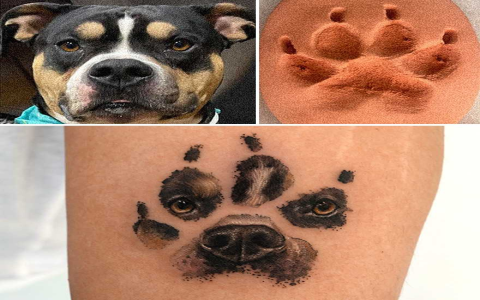
A paw impression is the outline left when a dog steps on soil, sand, snow, or any receptive surface. The overall shape, spread of toes, and depth of the pad hint at body mass, stride length, and general health. Each outline combines a central pad, four digital pads, and sometimes claw dots. The ridge detail on the main pad is distinctive enough that experienced observers can tell one animal from another, much like a human fingerprint.
Applications in Forensic Science
Investigators occasionally find paw marks near scenes of interest. When properly documented, these impressions can support several lines of inquiry:
1. Linking Presence: A clear track can confirm that a particular dog—and therefore its handler—was at a location.

2. Reconstructing Movement: Sequential prints show direction of travel, speed, and whether the animal was carrying weight.
3. Behavioural Insight: Stride gaps and print depth suggest if the dog was walking calmly, sprinting, or hesitating.
4. Corroboration: Paw evidence can sit alongside other findings such as human footwear marks or scent trails.
Applications in Wildlife Conservation
Field teams use paw impressions to keep tabs on wild canids without disturbing the animals:
1. Population Checks: Repeated surveys of tracks along trails help estimate local numbers and territory borders.
2. Habitat Mapping: Preferred routes and resting spots identified through tracks guide decisions on which areas merit protection.

3. Health Monitoring: Unusual gait patterns or widespread prints from sick animals can flag emerging disease hotspots.
4. Public Engagement: Track casts make eye-catching teaching aids that connect communities with nearby wildlife.
Challenges and Limitations
Interpreting paw impressions is not always straightforward:
1. Surface Variation: Loose sand, hard pavement, or melting snow each distort the outline in different ways.
2. Reference Gaps: Few regions maintain exhaustive libraries of paw outlines for comparison.
3. Skill Requirements: Accurate reading demands field experience; novices may overlook subtle clues.
Conclusion
Paw impressions remain a low-cost, non-invasive source of information for both criminal investigators and wildlife managers. Despite environmental hurdles and the need for specialist knowledge, the discipline continues to mature. Improved imaging tools and broader data sharing promise to widen the role of these humble tracks in science and conservation.
Recommendations and Future Research Directions
To strengthen the utility of paw impressions, stakeholders can:
1. Build open, standardized digital archives of verified outlines to speed up comparisons.
2. Fund studies that refine measurement protocols for challenging substrates.
3. Embed track-analysis modules in veterinary and forensic training curricula.
4. Combine paw data with remote cameras, acoustic sensors, and genetic sampling for richer ecological portraits.
Pursuing these steps will ensure that the quiet evidence left in the ground speaks loudly for justice and for the protection of wild places.


