
Optimal Nutrition for Wheaten Terriers: A Practical Guide
Introduction
Wheaten Terriers are lively, medium-sized companions known for their soft, wheaten-colored coats and friendly nature. To keep them thriving, owners need to focus on balanced, high-quality meals that support energy, coat health, and overall vitality. This guide outlines key dietary principles and food formats that suit the breed’s unique needs.
Core Nutritional Requirements
Every Wheaten benefits from a diet built on five pillars: digestible protein, complex carbohydrates, healthy fats, vitamins, and minerals. The following breakdown explains how each component contributes to long-term wellness.
Protein

Lean, named meats—such as deboned turkey, salmon, or lamb—should headline the ingredient list. These sources supply essential amino acids that maintain the breed’s athletic muscle tone and support immune function.
Carbohydrates
Slow-release carbs like brown rice, oats, and peeled sweet potato provide steady energy without spiking blood sugar. They also add fiber for digestive regularity, helping to prevent the “hunger highs” that can lead to hyperactivity.
Fats
A moderate level of quality fat keeps the Wheaten’s signature coat glossy and skin supple. Look for recipes enriched with flaxseed, salmon oil, or chia seeds to deliver omega-3 and omega-6 fatty acids in the correct ratio.
Vitamins and Minerals

Natural fruits and vegetables contribute antioxidants, while carefully balanced calcium and phosphorus protect joints during growth and throughout adulthood. Chelated minerals enhance absorption, reducing the risk of deficiencies.
Food Formats to Consider
Wet Food
Moist entrées are highly palatable and help with hydration—useful for dogs that rarely stop at the water bowl. Choose grain-inclusive or grain-free trays labeled for medium breeds, checking that meat broth rather than thickened starches leads the ingredient panel.
Kibble
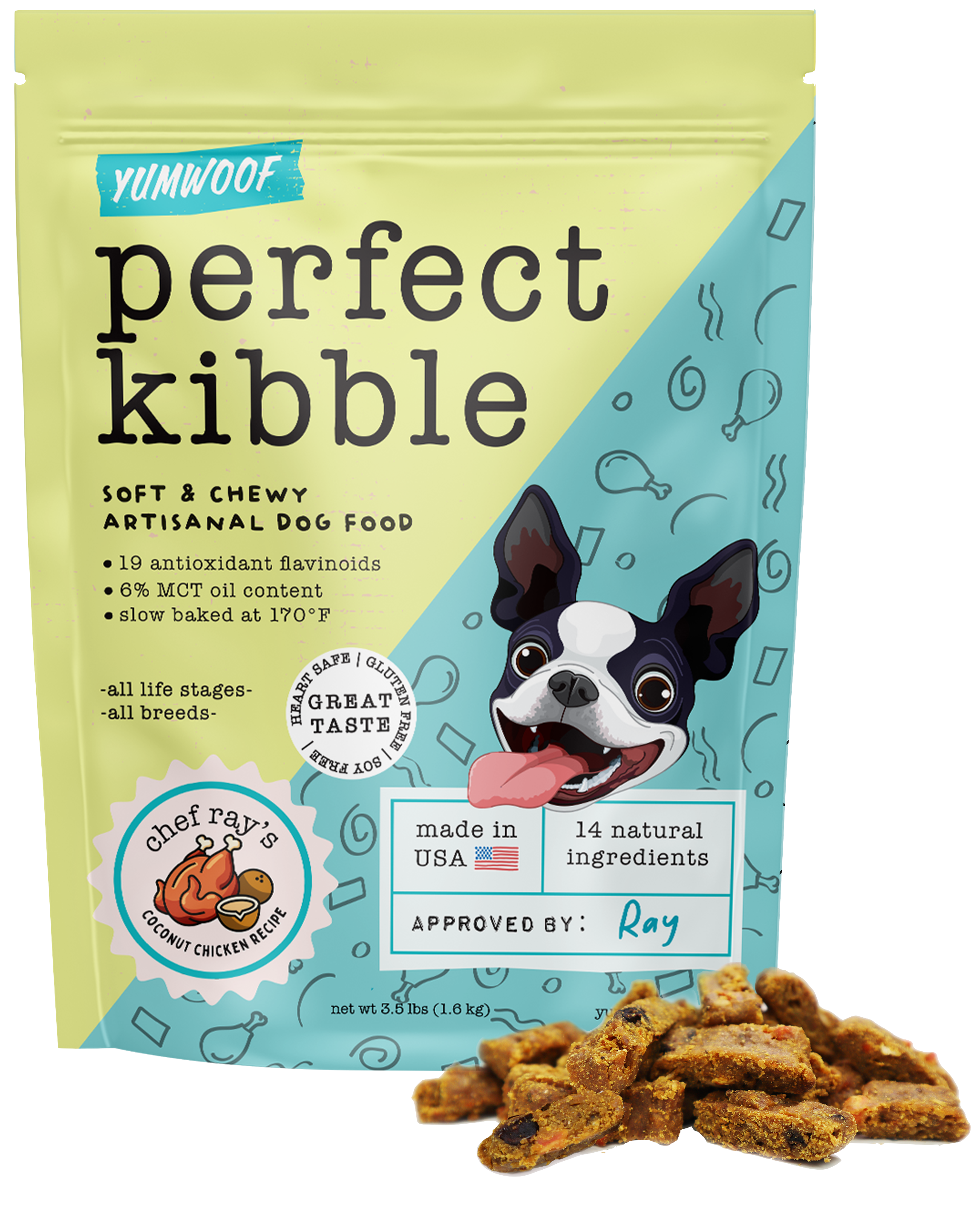
Crunchy bites support dental health and are easy to measure for portion control. Seek small-to-medium kibble sized for a Wheaten’s jaw, with animal protein first, no artificial colors, and added probiotics for gut balance.

Raw or Fresh Frozen
Pre-packaged, veterinarian-formulated raw patties offer a minimally processed alternative. If you go this route, transition gradually, store below freezing, and sanitize feeding dishes after each meal to maintain food safety.
Home-Prepared Meals
Cooking at home allows full ingredient control, but recipes must be complete and balanced. Partner with a board-certified veterinary nutritionist to design a plan that includes the right vitamin and mineral premix, preventing harmful gaps.
Special Considerations
Some Wheatens develop conditions that call for dietary tweaks. Below are common scenarios and gentle nutritional strategies.

Food Sensitivities
Itchy skin or chronic ear issues may signal an intolerance. Limited-ingredient diets featuring a single novel protein—think venison or herring—plus a single carb can help isolate and eliminate triggers.
Weight Management
Extra pounds stress the breed’s joints. Select recipes labeled “healthy weight,” feed measured meals rather than free-choice, and swap high-calorie treats for crunchy carrot sticks or green beans.
Renal Support
Older dogs with early kidney changes benefit from controlled phosphorus and moderate, high-quality protein. Fresh water stations around the house and canned food with added moisture further support kidney filtration.
Final Thoughts
The best diet for your Wheaten Terrier is one that is complete, balanced, and tailored to life stage, activity level, and any medical nuances. Whether you pour kibble, thaw raw, or simmer a homemade stew, introduce new foods slowly, watch body condition, and revisit dietary choices at each veterinary checkup. With thoughtful nutrition, your Wheaten can maintain that trademark bounce and silky coat for years to come.