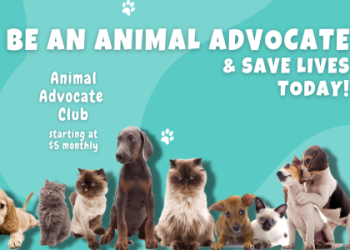
The Impact of Adoptable Animals on Society: A Broad Overview
Introduction
Adoptable animals—ranging from household pets to rescued wildlife—now occupy a meaningful place in everyday life. Rising interest in animal welfare and the popularity of adoption have reshaped how people welcome these creatures into their homes. This overview explores the social influence of adoptable animals, the rewards of giving them a home, and the responsibilities their care entails. Drawing on general observations and widely shared experiences, it highlights why these animals matter to individuals and communities alike.
The Evolution of Adoptable Animals
The Historical Perspective
Humans and animals have shared the planet for millennia. Early on, animals served practical roles in farming, transport, and hunting. Over centuries, the bond deepened; creatures once valued only for work gradually became companions. Domestication, begun thousands of years ago, laid the groundwork for animals to offer comfort and friendship as well as utility.
The Modern Era
Today the idea of adoption reaches beyond traditional pets to include wildlife rescued from injury or displacement. Growing concern for ethical treatment, coupled with active promotion of shelter adoption, has widened public interest. As a result, adoptable animals are widely recognized as sources of companionship, emotional balance, and even personal purpose.
The Benefits of Adopting Animals
Companionship and Emotional Support
Sharing life with an animal often eases stress and lifts mood. The steady presence of a pet can lessen feelings of loneliness, encourage daily routine, and provide affection that asks for nothing in return.
Education and Responsibility
When families adopt, children learn empathy, patience, and accountability through everyday tasks such as feeding, grooming, and play. These lessons foster respect for living creatures and an early appreciation for responsible stewardship.
Economic Upside
Adoption fees are generally lower than the cost of acquiring animals through other channels, and many shelters include vaccinations and micro-chipping in the price. A active dog can also motivate owners to walk more, potentially lowering future healthcare expenses.
The Challenges of Caring for Adopted Animals
The Need for Proper Care
Health checks, balanced diets, exercise, and mental stimulation are daily necessities. Overlooking any of these can lead to avoidable illness or behavior issues, underscoring that adoption is a long-term commitment rather than a one-time act of kindness.
The Financial Burden
Routine vet visits, quality food, toys, and occasional emergencies add up. Prospective caretakers benefit from planning a budget that covers predictable costs and sets aside funds for the unexpected.
The Emotional Toll
Strong bonds bring joy, yet they also make eventual loss painful. Preparing for this emotional cycle—perhaps by building support networks or seeking grief resources—helps guardians navigate difficult farewells.
The Role of Adoptable Animals in Society
Animal Welfare
Choosing adoption reduces the number of animals waiting in shelters and supports efforts to manage overpopulation. Each adopted animal opens space for another creature in need, creating a positive ripple effect.
Community Engagement
Adoption fairs, school visits, and volunteer days bring neighbors together around a shared love of animals. These gatherings strengthen local networks and spread knowledge about humane treatment.
The Environment
Well-managed adoption programs can lessen environmental strain. For instance, adopting a cat that hunts rodents may reduce reliance on chemical pest controls, while many sanctuaries employ sustainable practices such as composting waste or harvesting rainwater.

Conclusion
Adoptable animals enrich daily life, teach lifelong values, and knit communities closer. Yet the decision to adopt must be weighed against the realities of time, cost, and emotional investment. Recognizing both the rewards and the duties prepares society to offer these animals the safe, caring homes they deserve.
Recommendations and Future Research
To maximize benefits and ease challenges, the following steps are suggested:
1. Expand public campaigns that explain adoption’s positive impact on animal welfare.
2. Offer low-cost clinics, pet-food banks, and behavior hotlines to reduce financial barriers.
3. Integrate humane-education modules into school curricula and community centers.
4. Support studies on how adopted animals influence human well-being, social cohesion, and local ecologies.
By promoting informed, compassionate adoption, communities can build a future where people and animals thrive side by side.