



Dog Breed Compatibility Test: A Friendly Guide to Finding Your Ideal Canine Companion
Introduction
Bringing a dog into your life is exciting, yet choosing the breed that best suits your routine can feel overwhelming. A mismatch may lead to frustration for both human and pup. Compatibility quizzes have gained popularity because they promise to narrow the choices. This guide explains how these tools work, what they can and cannot do, and how to use them wisely.
The Purpose of Dog Breed Compatibility Tests
These quizzes act like matchmakers: they compare your daily pace, living space, and personality against typical breed traits such as exercise needs, sociability, and grooming demands. The aim is to spotlight dogs whose default settings fit your life, raising the odds of a smooth, lifelong friendship.
Methodology of Dog Breed Compatibility Tests
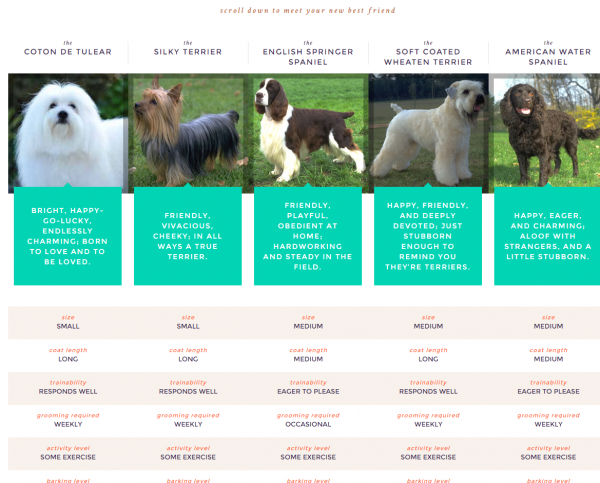
Most services fall into two broad styles: question-and-answer surveys and genetic swab kits.
Questionnaire-Based Tests
You answer multiple-choice questions about your home size, activity level, tolerance for shedding, and previous dog experience. Algorithms then weigh your responses against average breed profiles and present a shortlist of promising matches.
DNA-Based Tests
With a simple cheek swab, these kits reveal the breeds that make up a mixed-blood dog. Results can hint at adult size, coat type, and possible hereditary health concerns. While useful, they rarely predict attitude or energy level with precision.
Benefits of Dog Breed Compatibility Tests
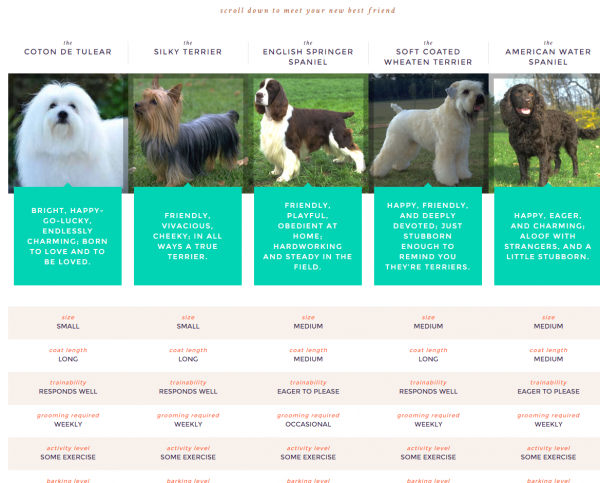
Well-designed quizzes offer several practical advantages:
1. Increased Chances of a Harmonious Relationship
A good match means fewer surprises, making daily life easier and more fun for everyone.
2. Reduced Behavioral Issues
Dogs whose exercise and social needs are routinely met are less likely to invent their own entertainment—like chewed shoes or nonstop barking.
3. Improved Health Outcomes

Knowing a breed’s common medical tendencies encourages preventive vet care and informed decisions about diet and exercise.
Limitations of Dog Breed Compatibility Tests
No quiz is perfect. Keep these caveats in mind:
1. Inaccuracy
Self-reported answers can be overly optimistic; underestimating how much time you truly have for walks can skew the results.
2. Overreliance on Breed Characteristics
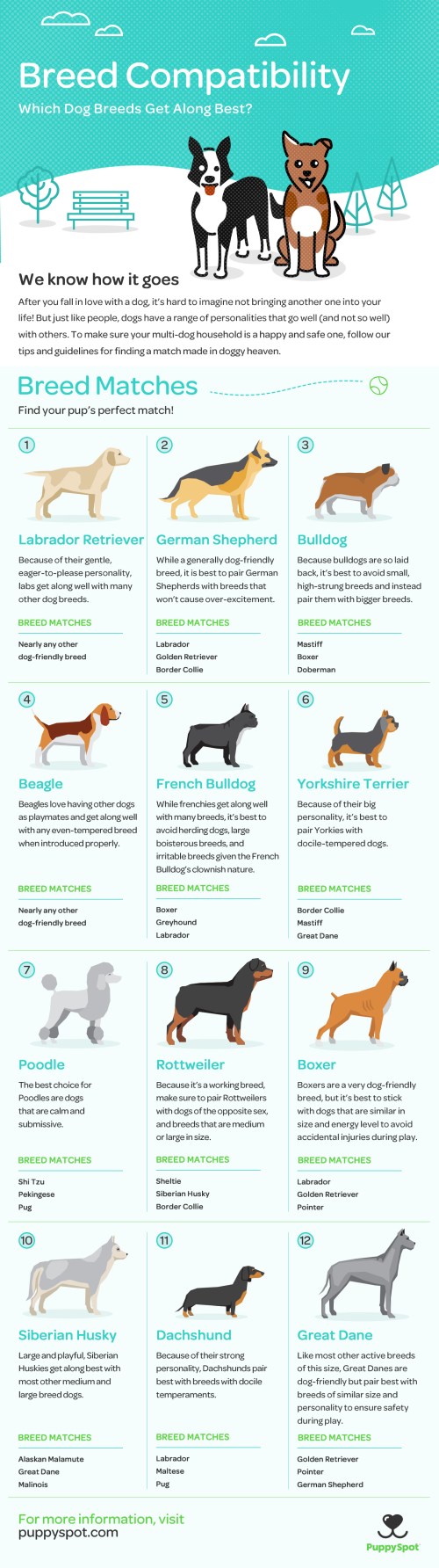
Generalizations miss the fact that every litter produces both couch potatoes and adrenaline junkies.
3. Neglecting Individual Differences
A dog’s history, training, and early socialization often outweigh genetics in shaping adult behavior.
Recommendations for Future Research
Developers can refine these tools by focusing on three areas:
1. Combining Questionnaire-Based and DNA-Based Tests

Merging lifestyle data with genetic markers could create a fuller picture of potential compatibility.
2. Incorporating Individual Differences
Adding questions about a specific dog’s observed habits—rather than relying solely on breed labels—would personalize advice.
3. Longitudinal Studies
Tracking matched pairs over several years would reveal which factors truly predict long-term harmony.
Conclusion
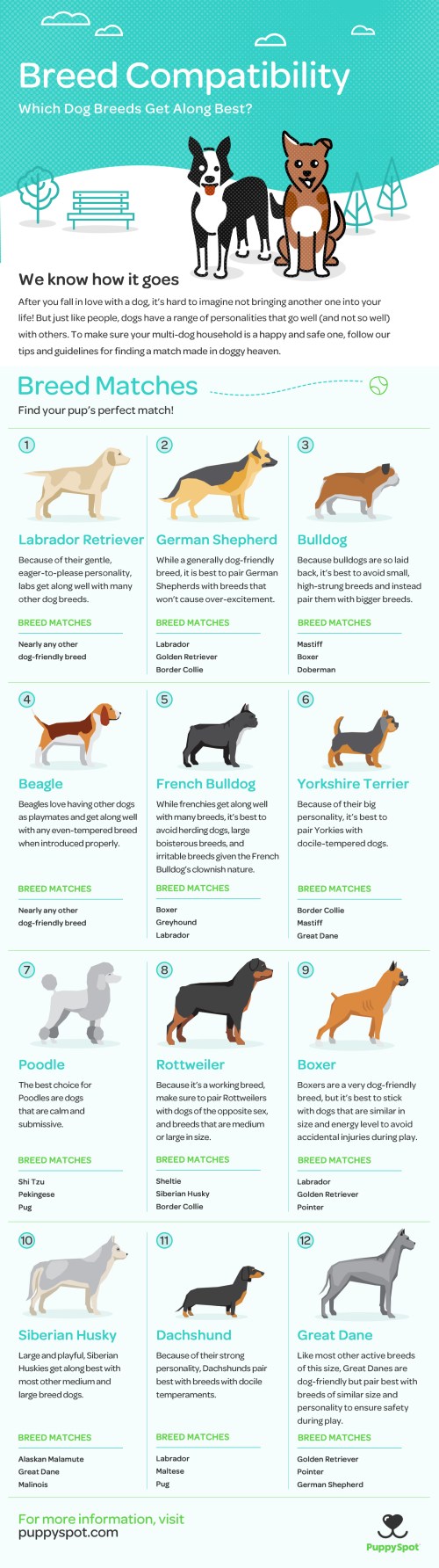
Compatibility quizzes are a useful starting point, not a final verdict. Treat them as a compass rather than a map: let them point you toward breeds that deserve a closer look, then meet individual dogs, talk to reputable shelters or breeders, and trust your instincts. With thoughtful research and a willingness to adapt, you’re well on your way to welcoming a four-legged friend who fits your life like a favorite sweater.


